
Write something
Pinned
Jan 11 •
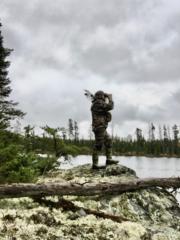
🏕️Welcome to Camp!! ⛺️
🌲 Welcome to a community built for parents who want to raise capable, confident kids through real-world outdoor skills 🌲 This space is all about helping parents teach hands-on skills—building simple wood projects, learning camping essentials, playing outdoor games, and reconnecting kids with the outdoors in a meaningful way. In a digital world, we’re here to support you with practical guidance, ideas, and encouragement so you can confidently learn with your kids, not just for them. If you believe time outside builds confidence, resilience, and lifelong memories, you’re in the right place. Come learn, share, and grow with us—your next outdoor adventure starts here. 👣🔥 Please post on here and let us know where you are from. 🧭 HOW THIS COMMUNITY WORKS (IMPORTANT) There are two valid paths here — and both are respected. 🟢 Free Members Some parents prefer to: - Learn quietly - Practice when time allows - Improve at their own pace That path is fully welcome here. 🔥 Participate in event (Optional + up and coming) Others rather hands on face to face learning : - More structure - Direct instruction - There is obviously be associated costs due to space/equipment rental or purchases - Coaching instead of trial and error Either this is is really all about enjoying the outdoors in a judgement free space. And I am passionate about sharing my knowledge and experience. I will also be including subject matters expects to participate in the face to face events. More to come on that. 👉 You never need participate in face to face events to belong. It’s about your preference, not pressure or obligation. So that’s it, I am Pat from Ottawa Canada 🇨🇦 🍁 Welcome.
Jul 17 •
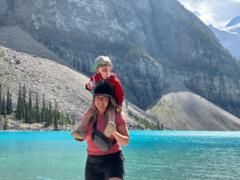
Attempting tent camping, send advice!
Hey everyone! I’m not sure if this is the appropriate way to ask this, but here goes nothing! 😊 Our family of four is going tent camping for the first time during the first week of August, and I’m hoping to get some advice from this amazing community. We’ll be spending three days at a provincial park, and while we are really excited for this adventure, we’re also very aware that we have a lot to learn! We used to be trailer campers, so tent camping is definitely a change of pace for us. We’ll be going with other families who are much more experienced tent campers, but we are very much the beginners in the group. 😂 Our family also has some additional considerations: - One of our family members is an ambulatory wheelchair user with mobility challenges, so having a comfortable and practical setup is really important. - Two family members use CPAP/BiPAP machines at night, so we’re trying to figure out the best way to handle power and equipment while camping. We’re not looking to go full “glamping,” but we do want to set ourselves up for success. We’ve tried camping in the past with inexpensive air mattresses, and unfortunately it wasn’t a comfortable experience for anyone. So this time we’re trying to invest in some better sleeping arrangements. So far, we have our tent and I’ve just purchased two cots for the kids. I’m specifically looking for recommendations on: 🏕️ Sleeping setups - Comfortable elevated air mattresses or sleeping pads for two adults. - Sleeping bags or bedding that are actually comfortable - Ways to make a cot setup more cozy - Anything that works well for someone who has difficulty getting up and down from the ground (our daughter will be using a cot) ⚡ CPAP/BiPAP camping setups - Has anyone camped with CPAP or BiPAP machines? - What power banks, batteries, or setups have worked well for you? - Any tips or things you wish you knew before your first trip? 🍳 General first-time tent camping advice - Cooking setups that make life easier - Things you didn’t realize you needed until you camped - Any accessibility tips or hacks you’ve learned along the way
Jul 17 •
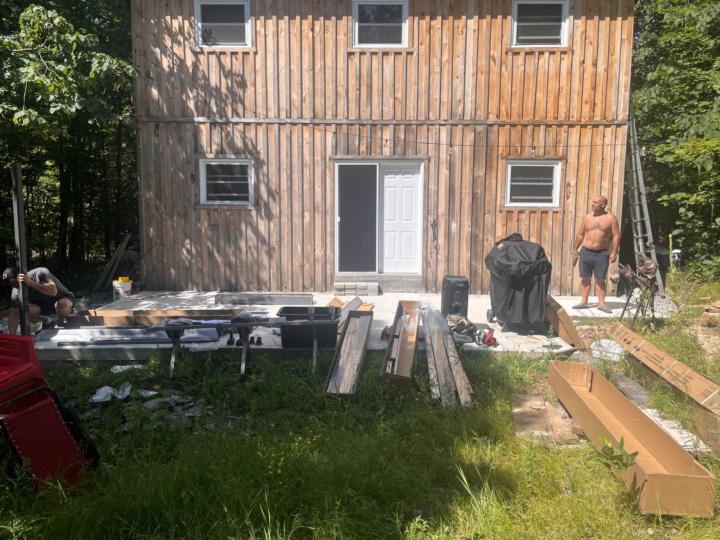
Base Camp Update: We’re officially more “off-grid” than ever 🌲⚡️
Quick little win to share with the Outdoor Kids crew… We just upgraded Base Camp with two big improvements: 1) New gazebo = instant weather-proof hangout This thing is going to be a game-changer for: shade breaks on hot days dry space during light rain a “home base” for snack + water + first aid a spot where parents can chill while kids rotate through skills 2) Solar system upgrade = real off-grid power We’ve officially leveled up the setup so Base Camp can run completely off-grid for 5+ days now. That means we can reliably power the practical stuff like: charging phones (for maps, photos, safety check-ins) lights for late-afternoon/shoulder season sessions small gear needs without hunting for outlets Why I’m excited about this This isn’t about being fancy — it’s about making our meetups more comfortable, more consistent, and more “show up even if the weather’s not perfect.” If you’ve been waiting to come out because you weren’t sure how your kids would do with heat/rain/bugs/“where do we put our stuff?” — Base Camp is getting more welcoming every month. And this weekend I am hosting our first full emersion weekend with a father and son combo from Toronto… so more pictures to come.
2
0
Jul 12 •
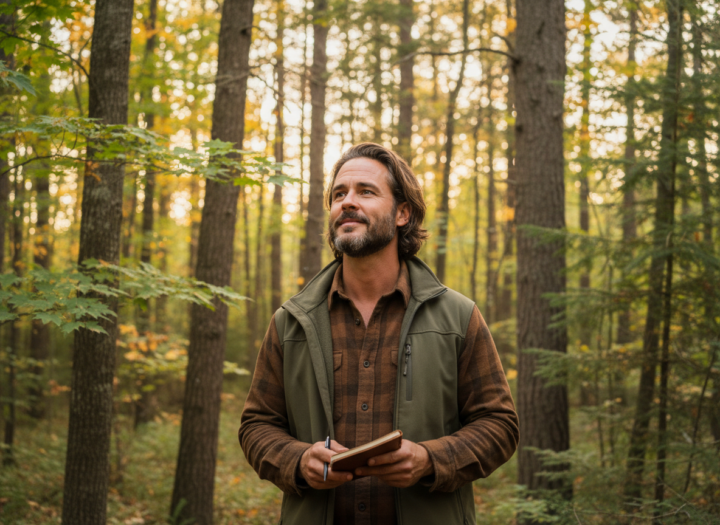
Nemophilist (n.) — the kind of person who feels at home in the woods 🌲
Ever heard the word Nemophilist? It’s one of those words that feels like it was invented by someone who’s had that exact moment where you step under the trees… and your shoulders drop… and you realize, oh yeah — this is where my nervous system can breathe. What does “Nemophilist” mean? A nemophilist is someone who loves forests — not just “likes hiking,” but feels a real pull toward wooded places. It’s the person who: chooses the trail over the mall feels calmer after 10 minutes under pine and maple notices moss, fungi, tracks, bird calls would rather sit by a creek than scroll a feed thinks “let’s go for a walk in the woods” is a legitimate solution to most problems How do you pronounce it? neh-MOH-fuh-list (Like: “neh-MOH…” — then “fuh-list”) Where does the word come from? It’s built from roots that basically translate to: nemo / nemos = forest / wooded pasture / grove -philist = lover of So: forest-lover. Why I love this word (and why it matters for families) A lot of parents tell me some version of: “My kid is bouncing off the walls.” “They’re anxious / moody / glued to screens.” “We’re all just… overstimulated.” And honestly? Sometimes the most powerful “reset” isn’t a program or a lecture. Sometimes it’s: trees fresh air something real to touch a small challenge (build a shelter, light a fire safely, find a trail marker) and a parent who’s right there with them Forests do something to us. They slow us down. They give kids permission to be kids again — climbing, exploring, getting dirty, taking manageable risks. Nemophilist moments (tiny ones count) You don’t need a big camping trip to live this. Here are a few “nemophilist” micro-moves you can try this week: 10-minute “tree walk” after dinner (no phones) sit spot: same stump/log/rock once a week and just notice what changes track hunt: look for prints, scat, feathers, chewed pinecones build something simple: a mini shelter for a stick “person” or toy animal forest sounds game: how many different sounds can you name in 2 minutes?
0
0
Jul 8 •
🌲 Inaugural Navigation Workshop — Thank You + What We Learned
Today was a big milestone for OutdoorKids. We ran our very first Navigation Workshop, and I’m still smiling thinking about how well it went — not because everything was “perfect,” but because the kids showed up curious, brave, and ready to try. That’s the whole point of what we’re building here. And get this: we were a total of 25 participants out there together today. That’s a strong first workshop — and it genuinely felt like a community day. 🧭 Huge thank-you to Hammond Hill First off: thank you to Hammond Hill for hosting us and giving us a place where kids can actually practice real skills in a real environment. It makes a massive difference to have a space where families can spread out, explore, and learn without feeling rushed or “in the way.” We’re grateful for the support and the welcome. 👨👩👧👦 Thank you to the parents To all the parents who brought your kids out — thank you. You’re the reason OutdoorKids works. You made time, packed the snacks, managed the water bottles, handled the “I’m tired / I’m hungry / I need the bathroom” moments, and still stayed present for the learning. But even more than that: you gave your kids something rare — the chance to build confidence through doing, not just watching. 🧒🔥 And to the kids… you crushed it To the kids who came out: You asked great questions. You tried things that felt new. You got turned around, re-oriented, and tried again. You worked together, compared notes, and kept moving. That’s navigation in real life. Navigation isn’t about never getting lost. It’s about learning how to notice clues, make a plan, and calmly find your way back. And you did exactly that. ✅ What we covered (and what I loved seeing) Here are a few highlights from the workshop: How to orient a map (and why “north” matters more than people think) Basic compass skills (and how to use it without overthinking it) Landmarks + “handrails” (using trails, edges, and obvious features to guide you) Pacing + distance awareness (kid-friendly ways to estimate how far you’ve gone)

1-30 of 94
powered by
skool.com/wilderness-kids-eastern-ont-6962
Turn screen-dependent kids into confident, capable ones using simple outdoor missions any parent can lead.
You do it, we guide you through it.
Suggested communities
Powered by