
Using the 5 senses to help with pain!
In this course, you'll learn how to use the five senses as assessment and treatment tools to uncover neurological patterns that traditional orthopedic testing often misses. Rather than relying on protocols, you'll discover how to test sensory input, immediately retest movement or pain, and determine whether a specific stimulus changes the nervous system's output.
0%
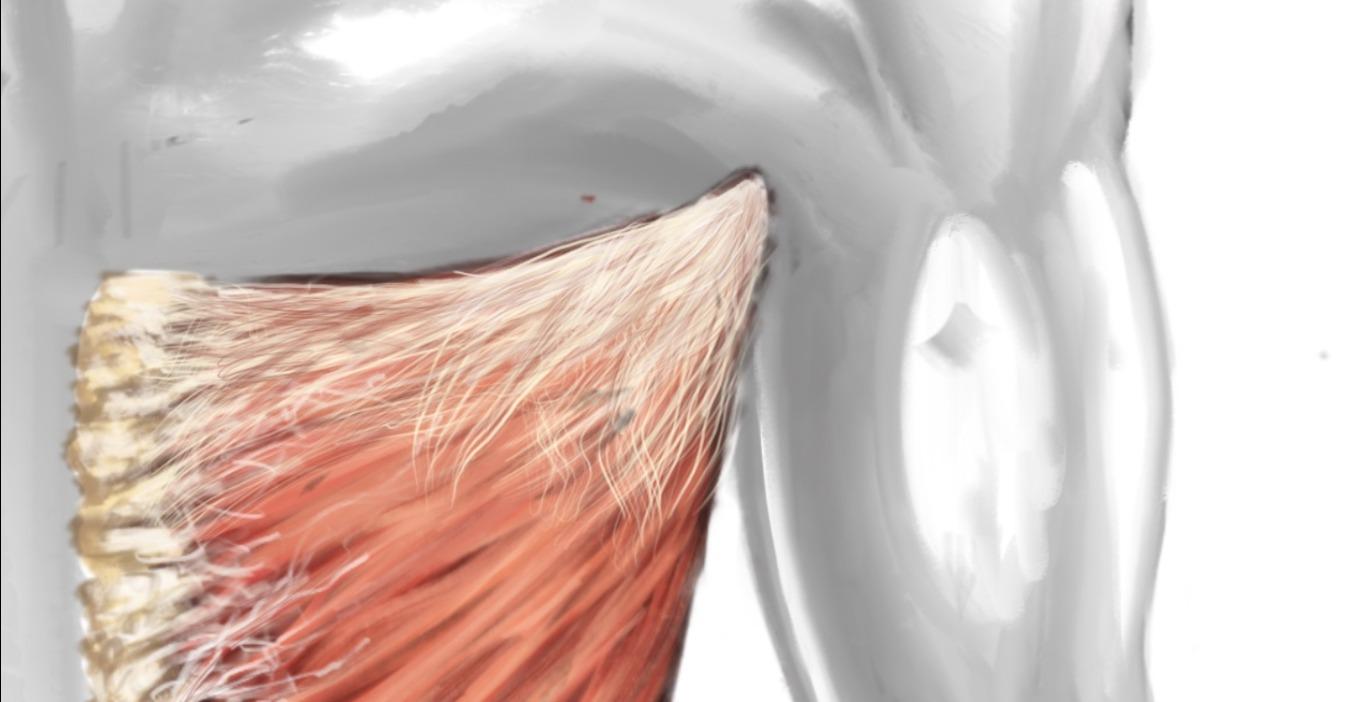
Dysfunction of Muscles
Learn what happens to muscles as they fall into lengthened positions.
0%
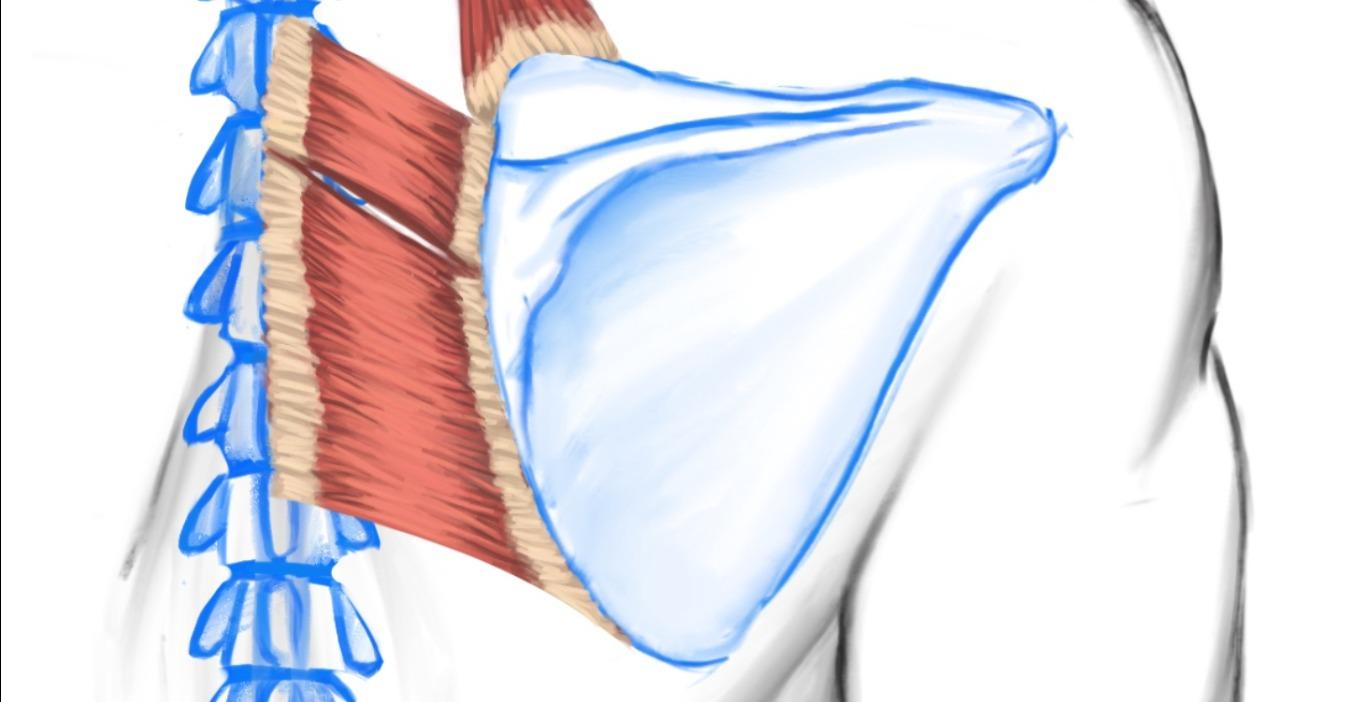
Pain Is Length
Pain is not just tension—it is often a signal of structural length and loss of positional certainty. This course teaches how the brain interprets lengthened tissue as unstable and threatening, leading to pain, guarding, and compensation. Learn to assess length dysfunction, restore joint certainty, and use targeted manual and movement strategies to reduce pain by improving structural feedback and stability.
0%
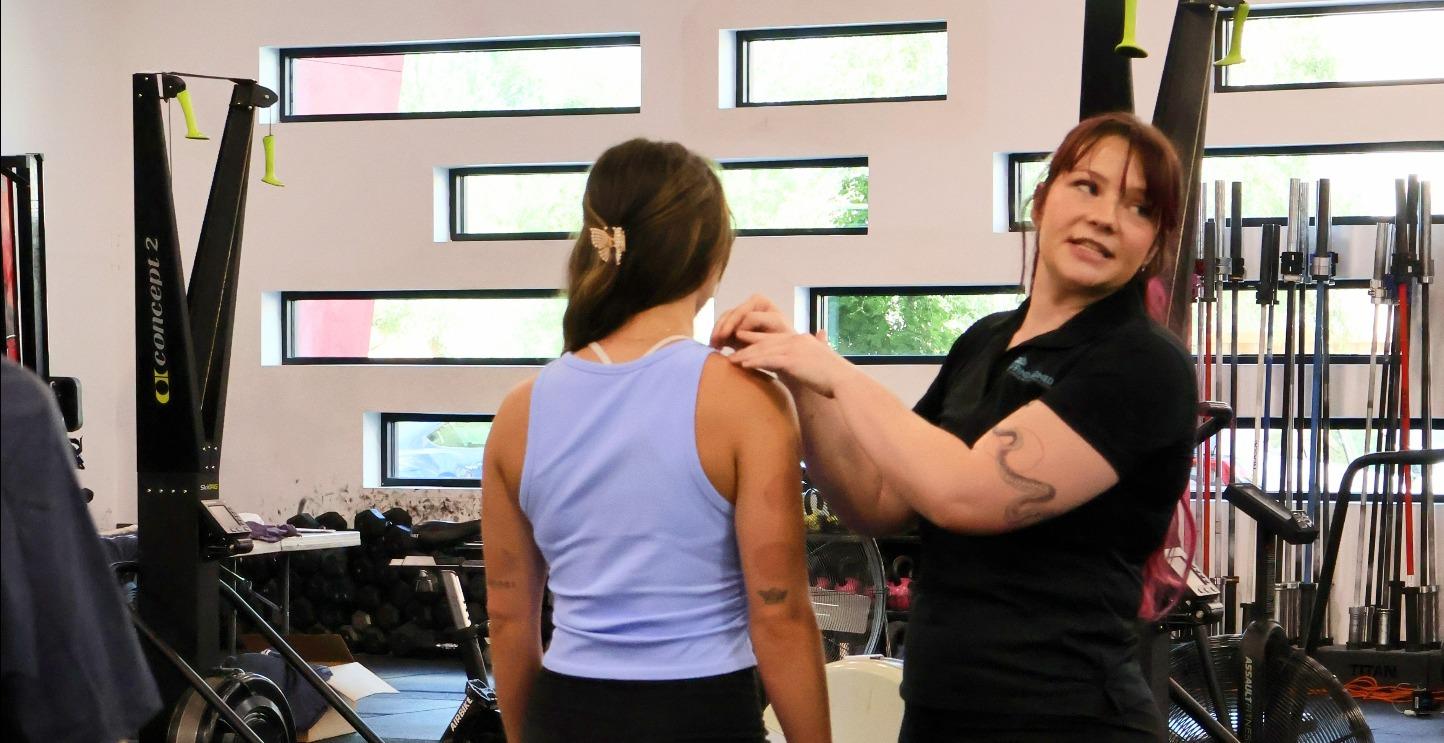
Default Position
Default position is the structural state your nervous system returns to when it is not actively thinking about movement. It reflects which tissues the brain trusts most for stability and where joint certainty exists or is lost. This course teaches how to assess default position through posture, tone, and movement patterns, and how it influences pain, compensation, and performance. Learn to identify structural priorities and restore joint certainty to improve function and reduce injury risk.
0%
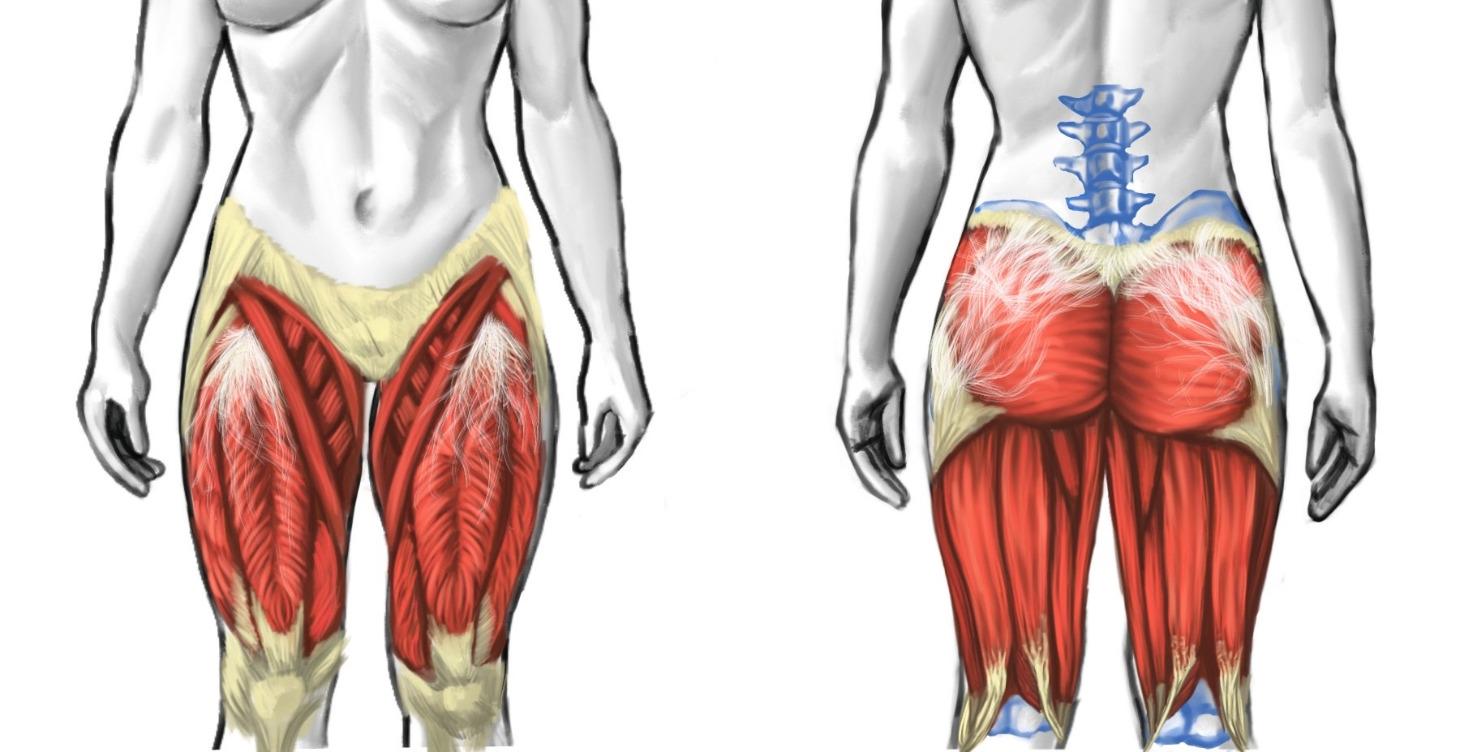
Symptoms = Structures
We build the foundation of real problem-solving by learning how to match symptoms to the structure that’s actually creating them. You’ll learn why pain location isn’t always the true source, and how different tissues express dysfunction in different ways.
We break down the 10 key structures and introduce the concept of relative function—meaning the same symptom can mean something completely different from one person to the next based on their body, compensations, and physiology.
0%
Build Type Assessments: Muscle vs Fascial
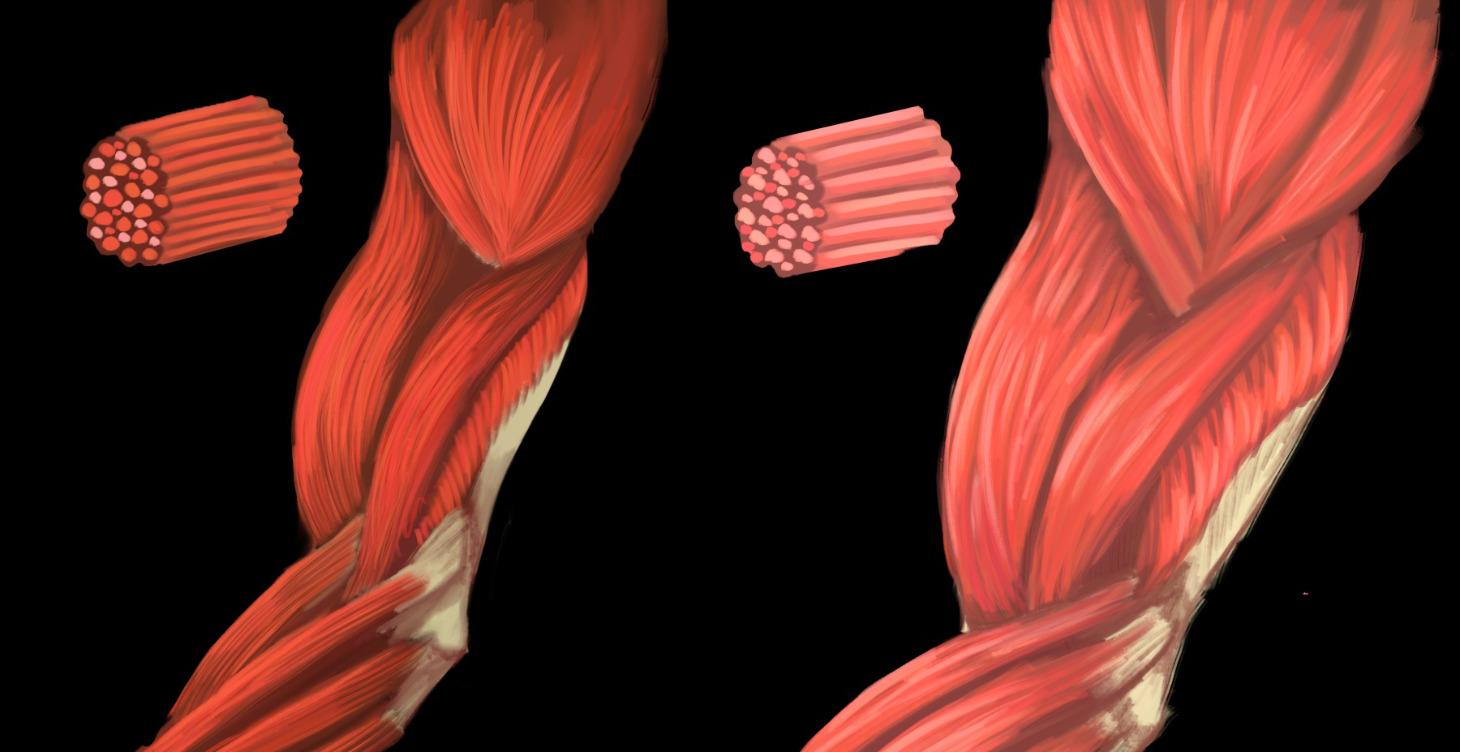
Pillar One of the AAFT framework, Physiology Build Type sets the baseline for how joints function, adapt, and recover. Before we talk about posture, pain, or performance, we have to understand what a body is built to adapt to. Largely influenced by genetics, build type determines how joints stabilize, range of motion, load absorption, and movement and recovery responses, allowing you to guide clients toward strategies that help them feel and function at their best.
0%
Build Type Recovery
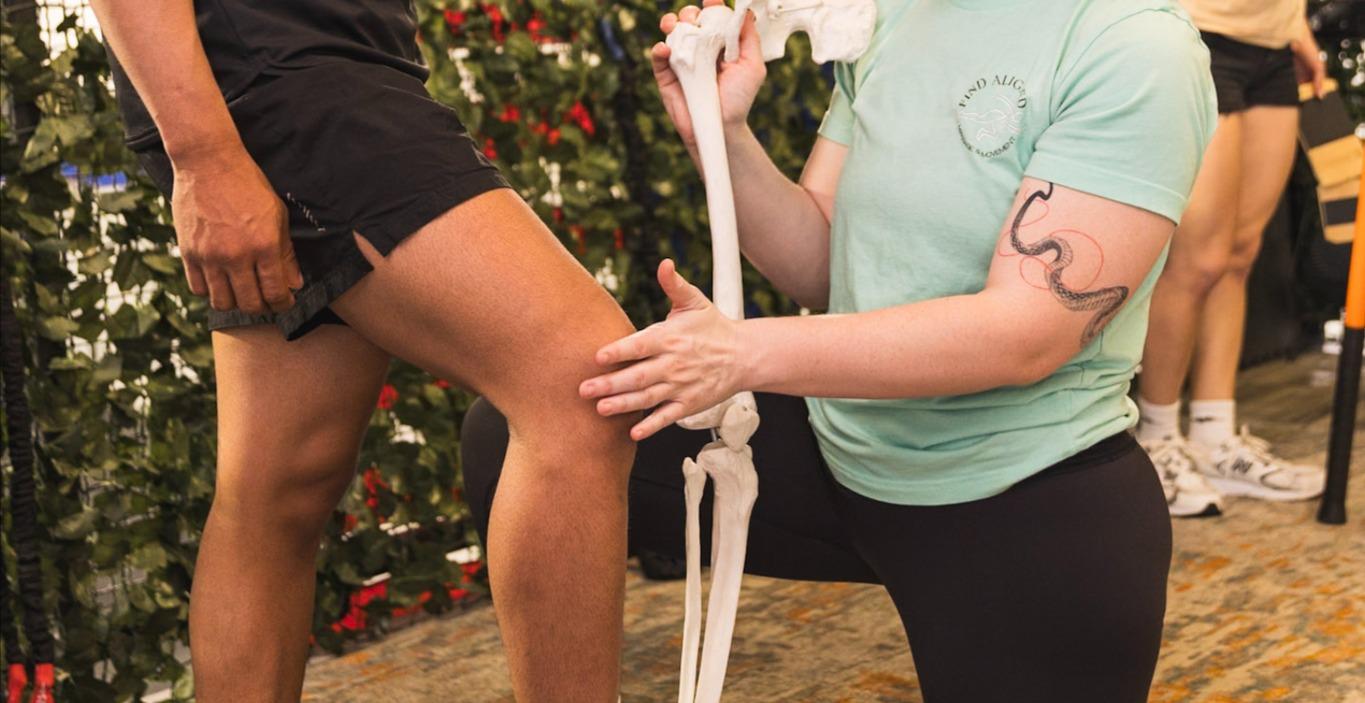
Redefining build type recovery means restoring the structure the brain relies on for stability. Muscle Build recovery is metabolic and neurological, requiring glucose & nervous system restoration so muscles can actively stabilize joints. Fascial Build recovery is structural, requiring mechanical loading, hydration, and elastic restoration so fascia can provide passive stability. Recovery is complete when the brain can again trust its preferred system to create reliable joint position & feedback.
0%
Structural Dominance
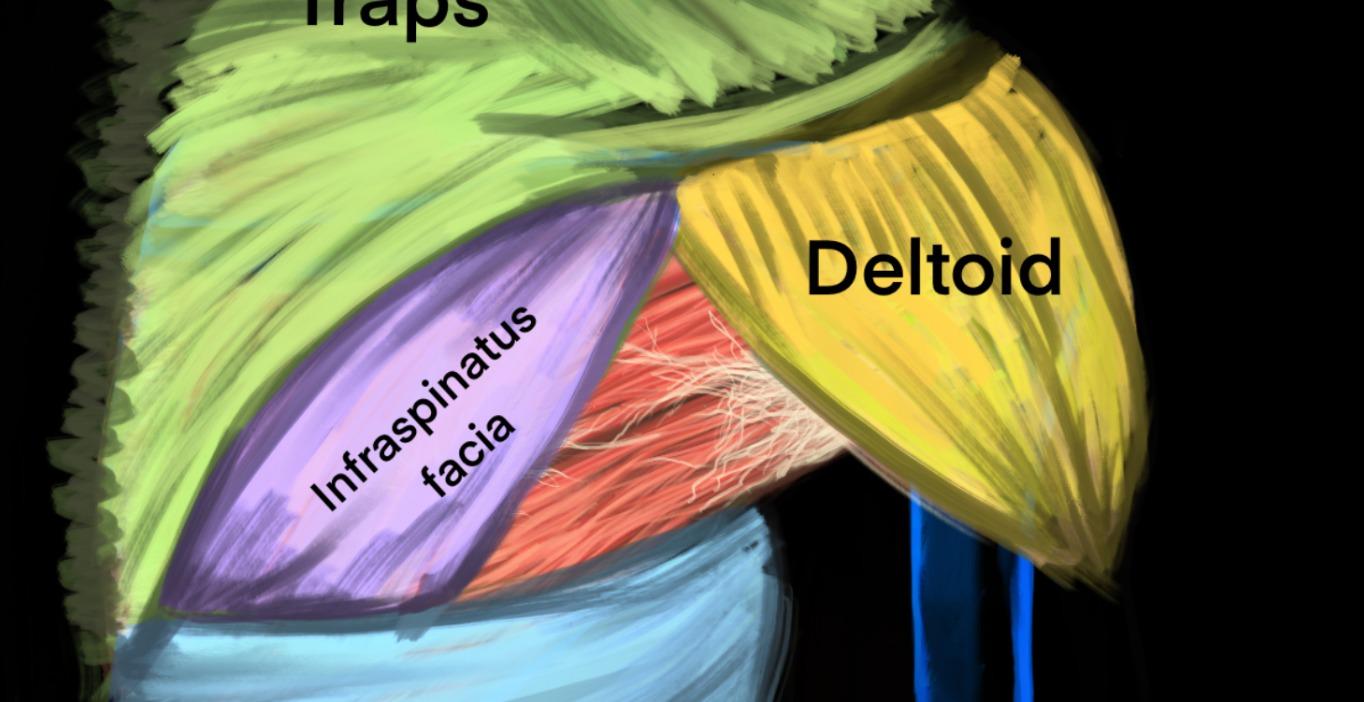
Structural dominance describes which tissue—muscle or fascia—the brain relies on most in a specific region to create stability and interpret position. While build type is global, dominance is local and can vary by joint. Muscle dominant areas stabilize through active contraction and neural drive, while fascia dominant areas stabilize through passive tension and elastic resistance, shaping force absorption, feedback, and compensation risk. This determines how brain protects and organizes movement
0%
Nailing a 15 min Assessment with The Pillars
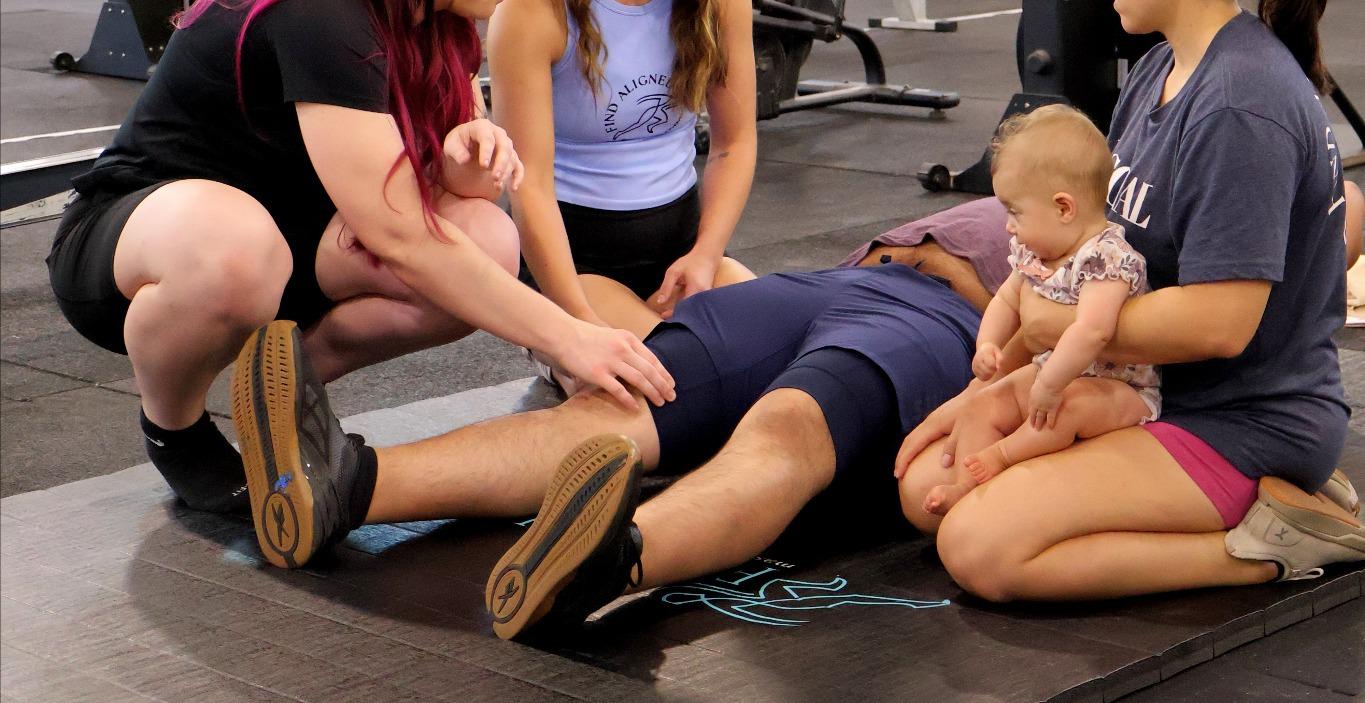
A precise 15-minute assessment uses the pillars to identify what the brain trusts for stability and where certainty is lost. By observing default position, build type, structural dominance, length dysfunction, and brain interpretation, you quickly find the true source of compensation and pain. This allows confident treatment decisions that restore joint certainty and improve nervous system trust without guesswork.
0%
Unlock for $99
3 Pillars of Adaptation for Personal Trainers
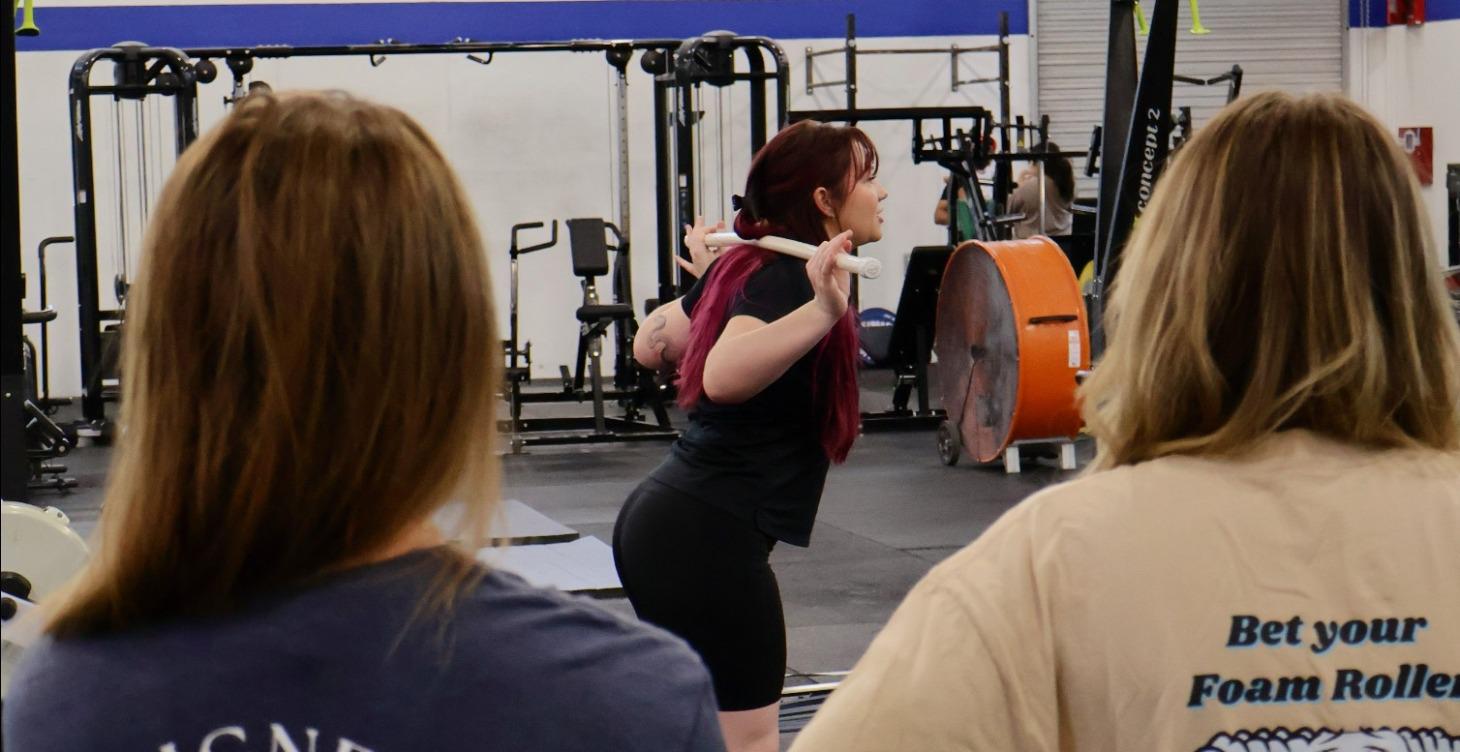
Learn the 3 Pillars of Physiology Adaptation and how to apply them as a CPT to assess your client’s structure, identify default movement patterns, and understand why progress stalls even with “good programming.” You’ll learn how muscle vs fascial build types respond differently to training and recovery, how to spot compensation early, and how to adjust exercise selection, loading, range, and nervous system inputs for better performance, less pain, and faster results.
0%
Private Course
Intro to Expanded Laws of Physiology and 5 Pillars
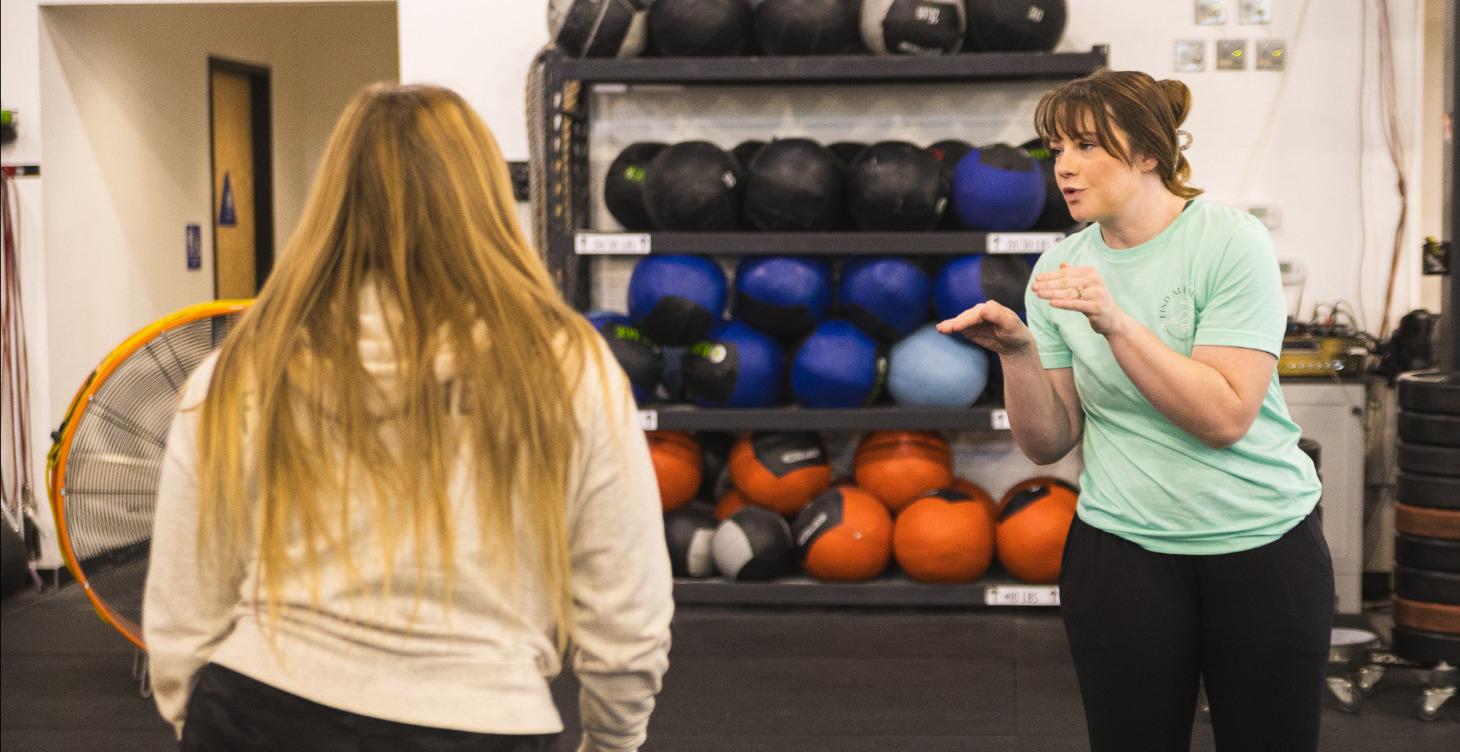
The AAFT framework is built on five pillars that explain how bodies adapt, move, and experience pain. These pillars establish a baseline for joint function, tissue behavior, and nervous system interpretation. Together, they guide assessment, movement, and recovery choices so professionals can stop guessing, respect individual physiology, and help clients feel and function at their best.
0%

Private Course
Laws of Physiology
This lesson introduces foundational laws of physiology, including principles similar to Davis’ Law, to explain how tissues adapt to stress, load, and positioning over time. You’ll learn how muscle, fascia, and connective tissue respond differently to repeated input, why structure changes with use, and how these laws guide smarter movement, recovery, and manual choices without forcing change.
0%

Fascial and Nonfascial Ranges of Motion
0%
1-13 of 13