
Pinned

14d •
📚 Book Club Update 📚
Hey everyone! Quick heads up: we're taking a short break from book club for now. Thank you all for showing up, reading along, and bringing such great discussion to The Magic of Thinking Big. We'll be back soon with a brand new book, so stay tuned for the announcement. If you've got a book you'd love for us to read next, drop your suggestions below 👇 See you all soon! 🙌
2
0
Pinned
Apr 12 •
Welcome
👋 Introduce Yourself We’d love to get to know you! Make a new post with the following⏭️ Drop an introduction and share: - Your name (or nickname) - Where you’re from - Last book you read or a book you look forward to reading. - What made you join Turn the Page - One goal you’re currently working on Let’s build a strong, supportive community from day one 🔥

12d •
How I stopped grinding $2 gig tasks and started delivering simple commercial AI clips
I spent months completely stuck in the tutorial loop. I tried reviewing household items for $2 commissions and testing dozens of complicated AI tools, but I was making zero actual income. Everything clicked when I realized what TikTok Shop and Shopify brands actually need: they burn through video ads every few days, but paying studios $1,500 per shoot is bleeding them dry. Using recent generative video models, you can produce commercial-grade 15-second UGC clips in under 20 minutes using standardized prompt formulas. Brands pay $150 to $300 per asset because it saves them over $1,000 compared to a studio shoot. Zero filming, zero showing your face, zero complex editing. I decided to package the entire setup—including the prompt engineering index, the post-production assembly manual, and the brand outreach scripts—into a clean, plug-and-play toolkit. You can access the complete master toolkit and documentation right here 👉 https://faus-ai.com/ugc/ (Make sure to check the prompt formulas before launching your next render! reels)
0
0
Aug 12 •
2 chapters left 🥳
If you’ve been away is still not too late join us on the last two chapters of the current book. Feel free to stop by next Tuesday at 9:00pm to be part of our last two meetings🎉.
1
0

Aug 4 •
Dancing on TikTok for views is a trap. Your AI product needs an actual sales engine.
I poured my heart into creating some really nice AI-videos and another groundbreaking AI-product. It was a genius idea. But then... crickets. I didn't know how to sell it. I tried forcing it on Instagram and TikTok, doing goofy dances like a monkey, but it completely flopped. Weeks and months went by. I felt like a massive failure chasing another shiny object, especially when I saw dumb kids making thousands so easily. I was literally on the verge of quitting. Just before I gave up for good, I had a call with Alex Tim. He immediately showed me why it wasn't my fault and pointed out a ridiculously simple, stupid detail I had completely overlooked for months. Out of the blue, everything just clicked. In just 10 days, I sold 15 items and banked a cool $20,000. Alex told me he's looking to prove this exact setup for 3 more AI creators this week. He will set up the campaign for free. Text him on WhatsApp here to claim your free test run 👉 https://frame-os.space/AIVendingMachine/?c=wa&ref=ai_creator (Mention my VA gave you backdoor access!)
0
0
1-24 of 24
powered by
skool.com/turn-the-page-8818
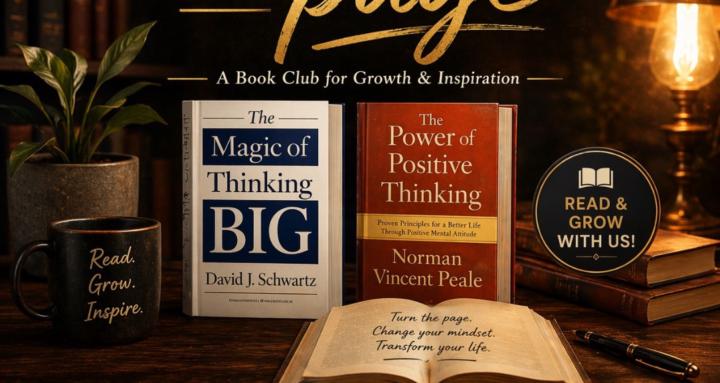
Looking to grow and think bigger? “Turn the Page” is a book club to read powerful books, share ideas, and build a growth mindset together.
Suggested communities
Powered by