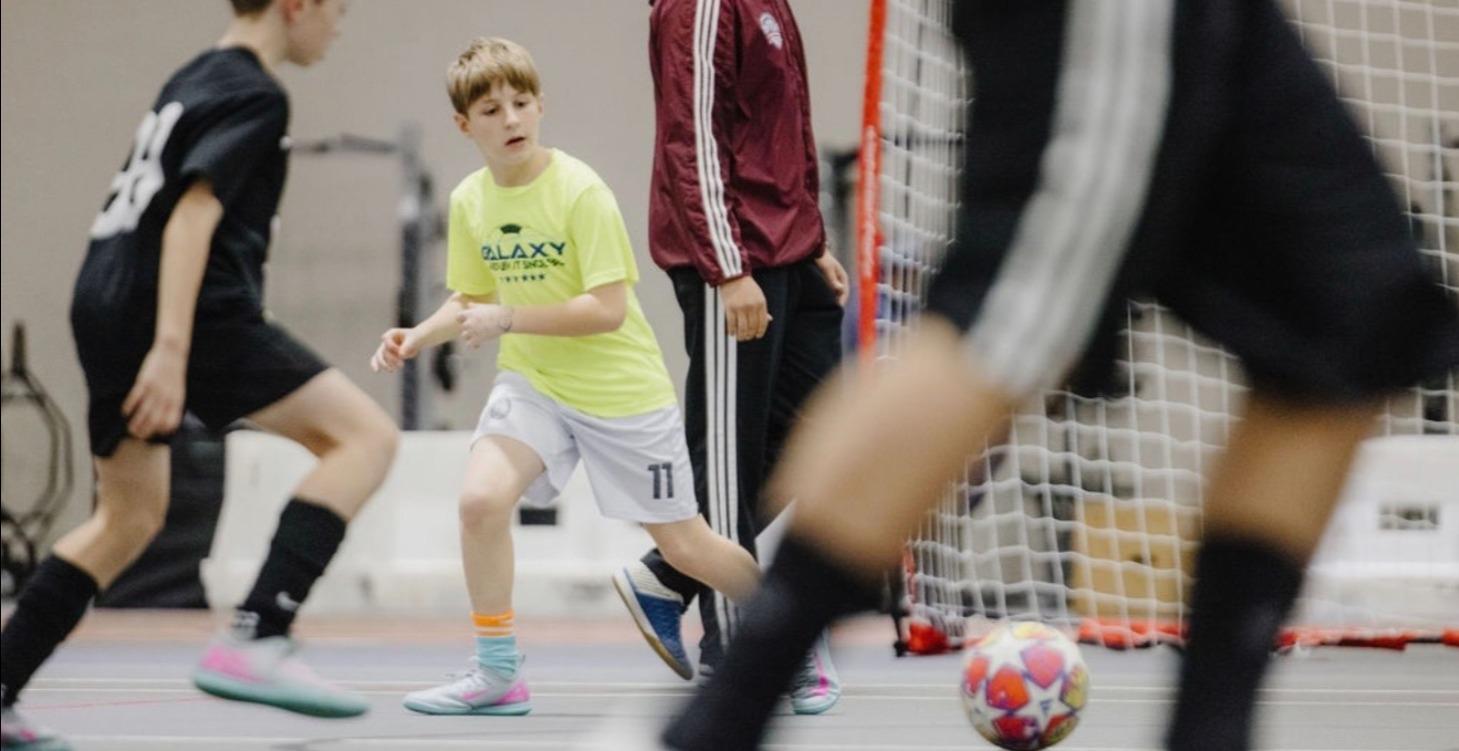
Rec. Soccer Fundamentals
Focusing on structure, consistency, and encouragement over emotion. Learning basic technical fundamentals, creating short organized training sessions, and reinforcing discipline at home builds confidence and accountability. Clear goals, constructive feedback, and patience prevent burnout and bad habits. With guidance and a plan, parents can turn daily reps into organized, long-term soccer success.
0%

Parent-Coach Workbook
A plan builds consistency, teaches proper technique, and prevents bad habits before they start. With step-by-step direction, parents can confidently support skill growth, discipline, and game understanding—helping their child train with purpose instead of guessing their way through development.
0%

Hot Topics of Club Soccer
Club soccer in 2026 is full of heated debates, and some people refuse to back down. From pay-to-play systems and rising club fees to early specialization, recruiting pressures, and the role of elite academies, the conversations are intense. Parents, coaches, and players stubbornly defend their views on development pathways, playing time, exposure events, and ODP relevance. Everyone wants the best path to success, but the challenge remains separating real development from hype.
0%
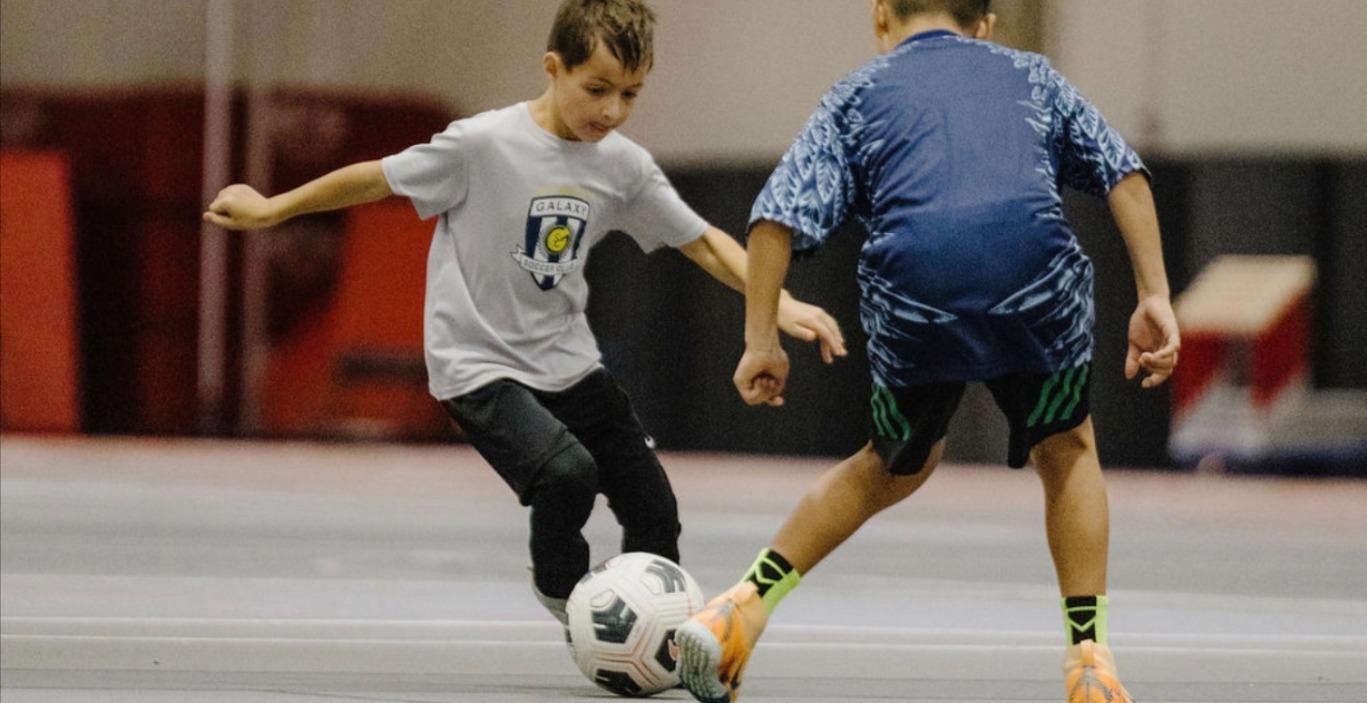
Foundational Learning
Ages 6-8. Study Guide on how to enhance their, dribbling, off-the-ball movement, and striking!
Live Calls are included with this membership, as well. Appointments are first come first served, so don't wait! Waitlist will be provided.
0%
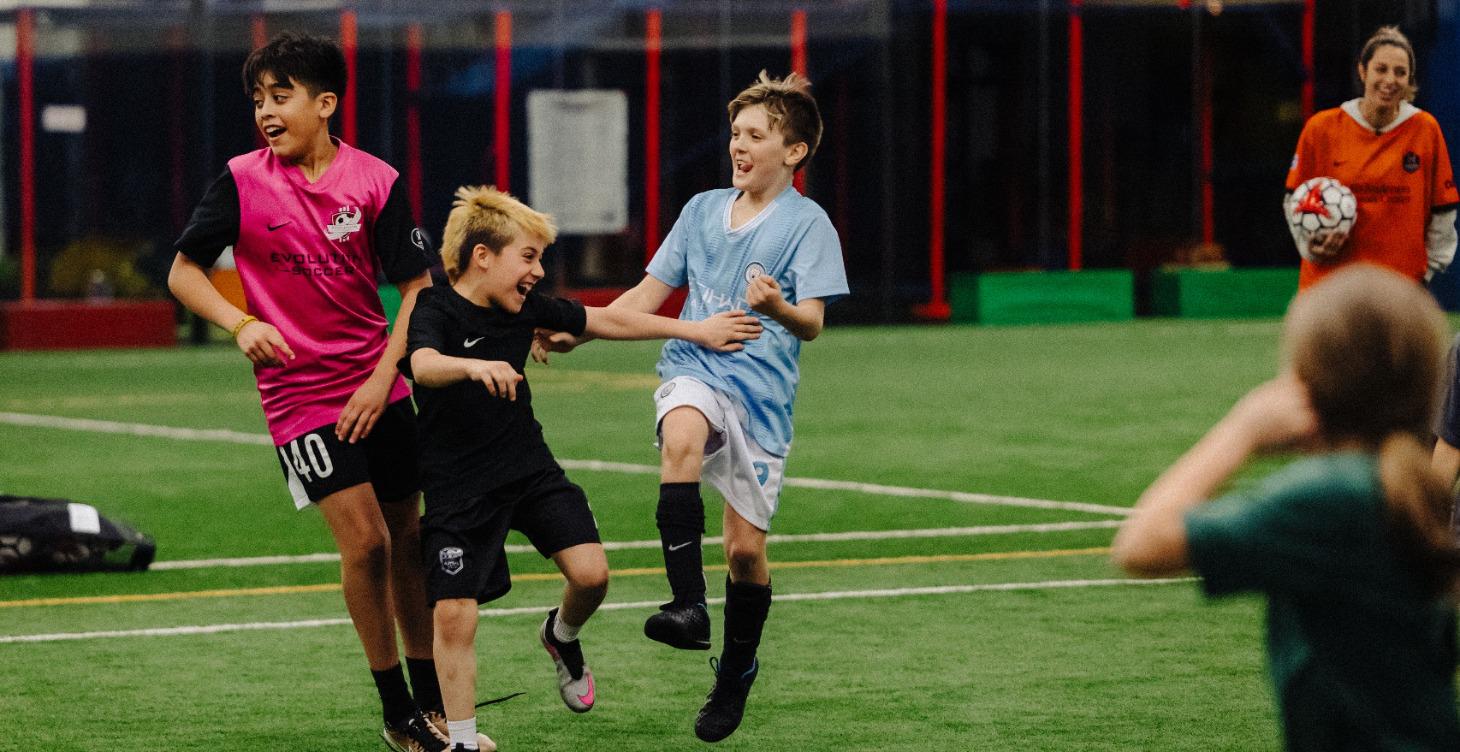
Refinement: Technique & Scanning
Ages 9–11 represent one of the most critical stages in long-term soccer development. During this window, athletes transition from simply learning skills to refining technique, increasing game intelligence, and preparing for competitive play.
This course is designed to sharpen technical precision while safely introducing the foundational elements of physical play — including shielding, body positioning, and controlled contact.
0%

The Downfall of A Player
Kids may believe they are downgrading their performance after mistakes, comparison to teammates, or fear of disappointing others. Over time, this creates hesitation and self-doubt. Parents can stay alert by listening to negative self-talk, watching body language, and reinforcing effort over outcome. By praising progress, encouraging resilience, and reframing mistakes as growth moments, parents help replace a downgraded mindset with confidence and belief.
0%
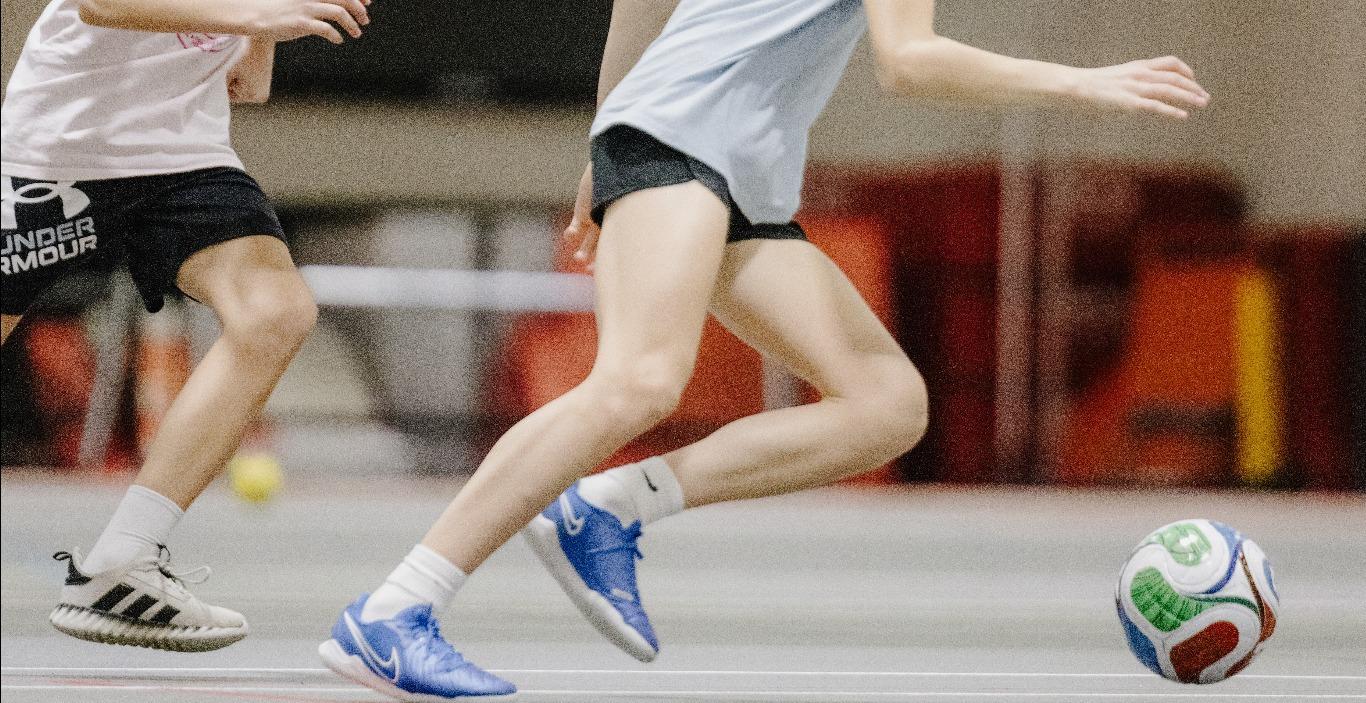
Adolescence Checklist
Ages 12-14. Technical skill without fitness limits performance. Fitness without awareness limits effectiveness. Physicality without technique leads to inconsistency. True growth comes from developing all areas together. When adolescents train holistically, they don’t just improve their game—they build discipline, maturity, and self-trust. It’s about building a confident young athlete who understands their strengths, improves their weaknesses, and steps onto the field prepared for any challenge.
0%

High School Mania
Ages 15–18 are defining years in a soccer athlete’s development. This is the stage where potential either sharpens into performance… or slowly plateaus. The difference is rarely talent. It’s preparation.
Ages 15–17 are not about chasing shortcuts. They’re about building a complete athlete — technically refined, physically prepared, mentally resilient.
When training is purposeful during these years, players don’t just compete. They separate.
0%
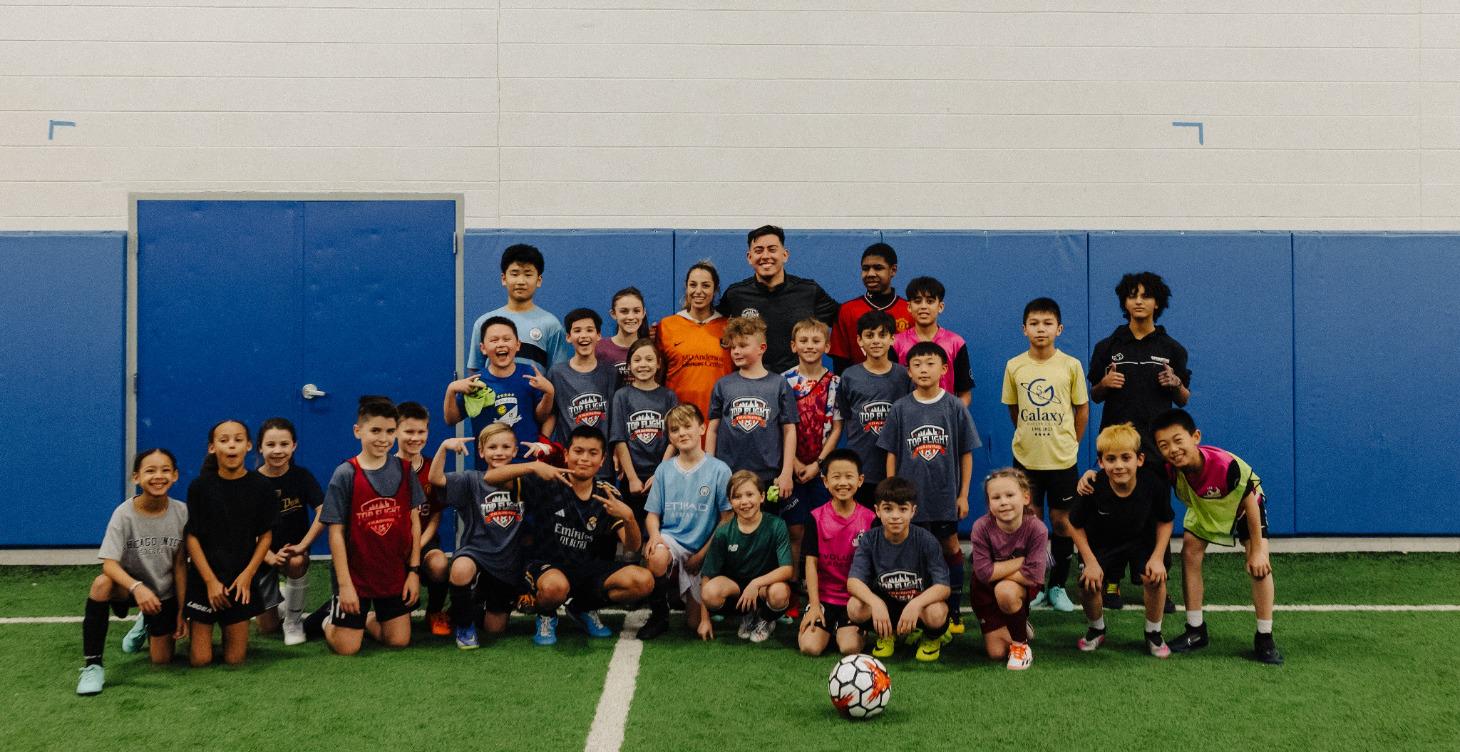
Camps for 2026 & 2027
Year-round camps at Top Flight Training give players consistent, focused development no matter the season. Instead of losing progress during off months, athletes stay sharp, build confidence, and refine technique in a structured environment. Every session is designed to identify weaknesses, apply solutions, and create real growth—so players return to their teams more prepared, more aware, and ready to perform.
0%

College Recruitment Process
Parents need a clear workbook and step-by-step guidelines to navigate the college soccer recruitment process with confidence. From building highlight videos and contacting coaches to managing academics, timelines, and exposure events, organization is everything. A structured plan removes confusion, reduces missed opportunities, and helps families make smart decisions—turning talent and hard work into real opportunities at the next level.
0%

What's Next After College Soccer?
This guideline is specifically for ages 18-25. Soccer doesn’t have to end after high school or college. Even if resources, teams, or exposure feel limited, fitness, passion, and technical ability can remain strong. Staying active keeps the body sharp and the mind disciplined. The game can evolve into leagues, coaching, mentoring, or personal development. When passion stays high, soccer continues to build character, health, and purpose long after formal competition ends.
0%
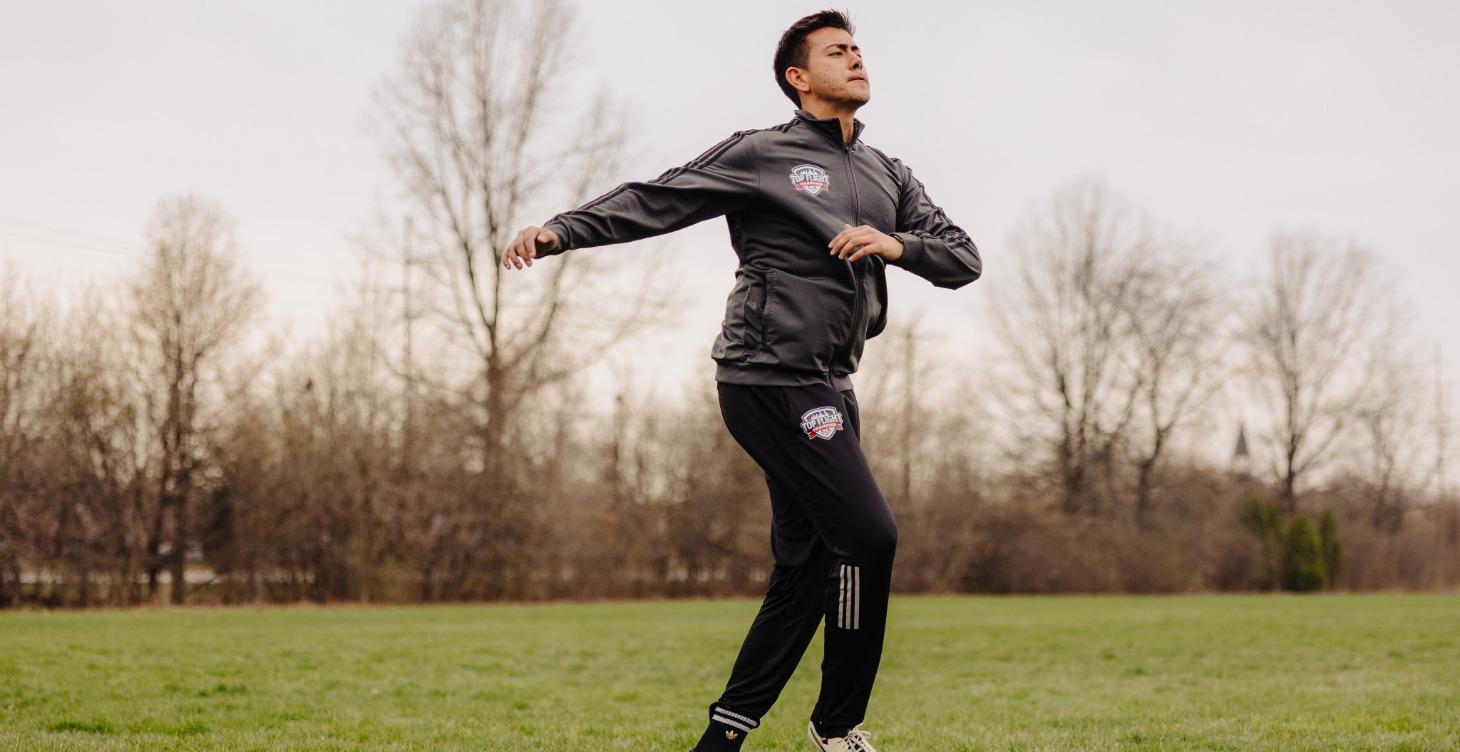
From Player to Coach
Coaching soccer is more than teaching drills — it’s shaping confidence, discipline, and character. As a trainer, you become the bridge between potential and performance, helping players solve technical problems, think faster, and believe in themselves. You stay connected to the game you love while making a lasting impact on families and future leaders, one session at a time.
0%
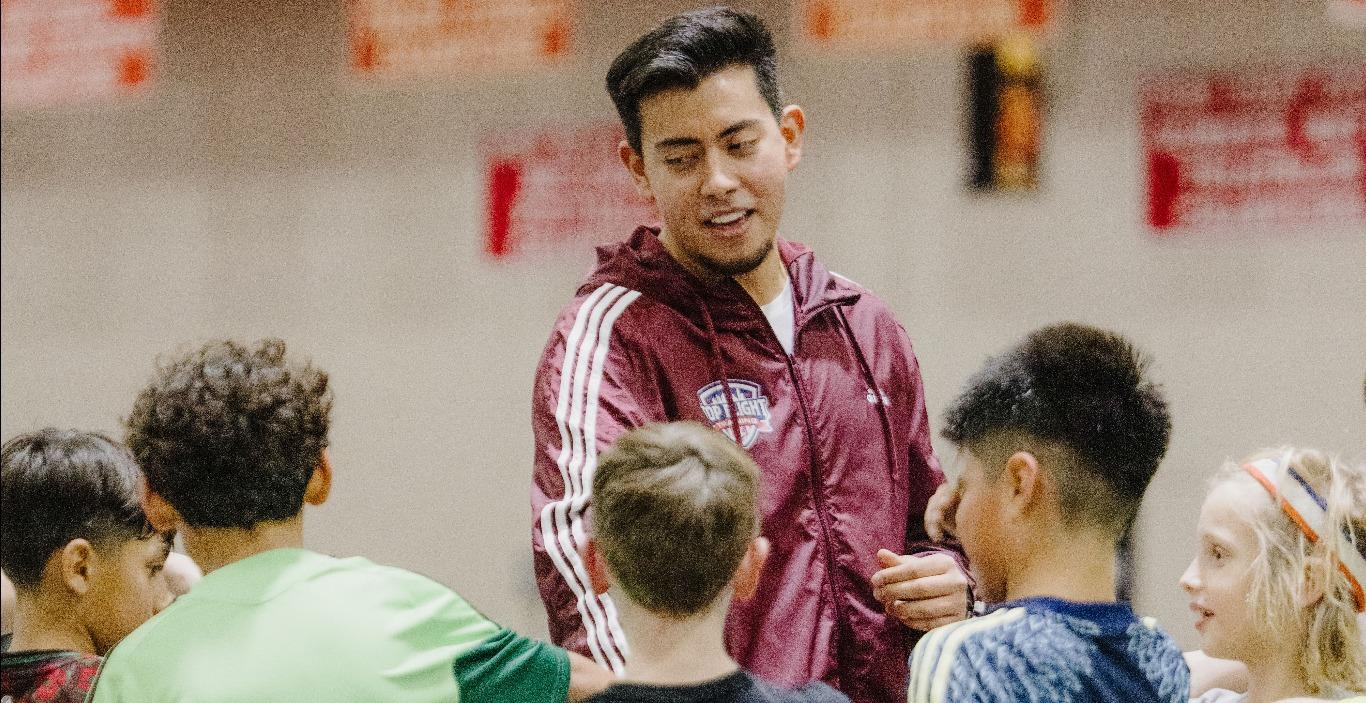
Allow Coaches To Do The Coaching
Parents play a powerful role in development, but practices and games are the coach’s classroom. When parents avoid sideline coaching, players receive one clear voice, build independence, and learn to problem-solve under pressure. Interference creates confusion and anxiety. Trusting the coach allows athletes to focus, take ownership, and grow confidently within a structured environment designed for long-term success.
0%
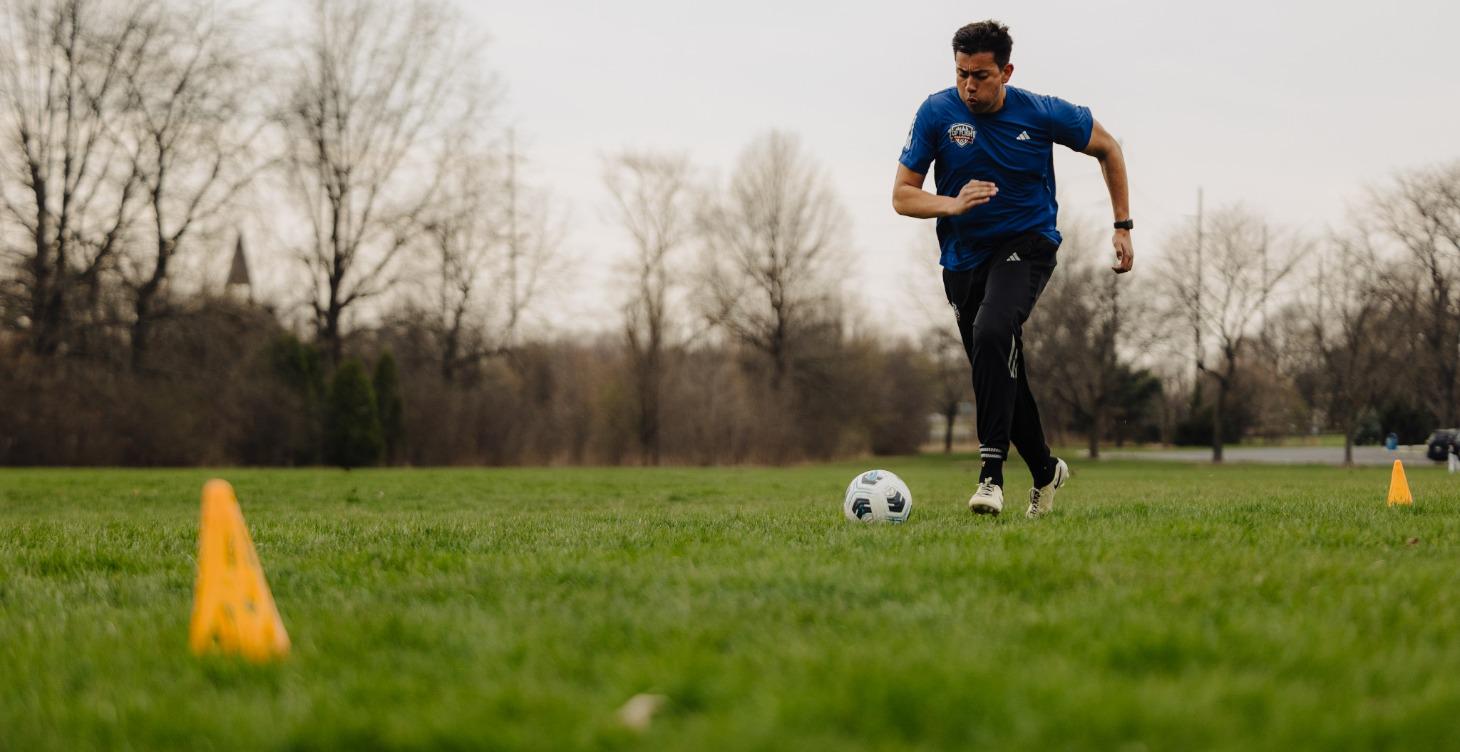
Park District --> Club Soccer
Complete a deep checklist before moving from park district soccer to club.
Is your child technically consistent?
Mentally resilient?
Ready for increased competition, commitment, and accountability?
Club soccer demands discipline, faster play, and higher expectations. Transitioning too early can hurt confidence. Moving at the right time ensures your child steps into club prepared, comfortable, and confident—not overwhelmed.
0%
Which Club Is Best For My Child?
Identifying the right soccer club starts with understanding your child’s goals, development stage, and learning style. Parents should look for qualified coaches, clear training structure, strong communication, and a proven pathway for growth—not just wins. Once selected, success comes from consistency, extra technical work, proper recovery, and positive support at home. Organized preparation builds confidence, discipline, and long-term development.
0%
Troubled by Club Soccer Fees?
We can better manage club soccer costs by asking clear, professional questions before committing.
What does the fee truly include?
How is player development measured?
Is there individual feedback?
Are there scholarship or payment plan options?
Transparency helps families invest wisely. When parents focus on structure, growth, and challenge—not just the logo—they ensure their child receives real development that matches the financial commitment.
0%
Player Development Pyramid
Understanding the player development pyramid helps soccer athletes see the bigger picture of their growth. It shows that strong fundamentals—like technique, discipline, and consistent habits—form the foundation for higher levels of performance. When players understand how each layer builds on the next, they learn to focus on the right priorities at the right time. This creates a clear pathway for long-term development, smarter training, and more confidence on the field. ⚽📈
0%
Bodyweight > Weightlifting
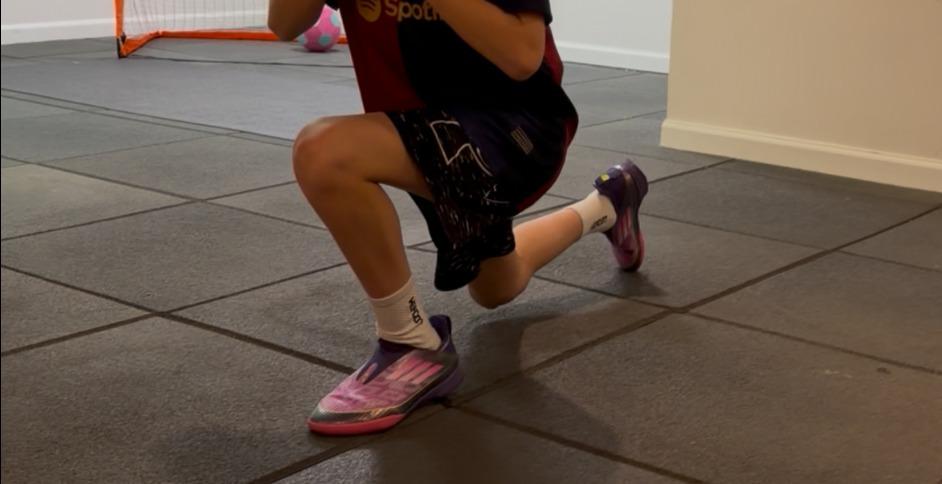
Bodyweight training builds real, transferable strength that soccer players actually use on the field. It improves balance, coordination, mobility, and control through natural movement patterns—not just isolated muscle growth. Athletes learn to move efficiently, stay injury-resistant, and perform with confidence. It’s strength that shows up in every sprint, cut, and touch.
0%
Player Philosophy Template
A structured player philosophy template creates clarity, consistency, and direction. It defines standards, values, and expectations so every session has purpose—not just activity. Athletes develop discipline, confidence, and accountability because the message never changes. Parents trust the process because it’s intentional. On the field, it sharpens performance. Off the field, it builds character, leadership, and long-term success.
0%
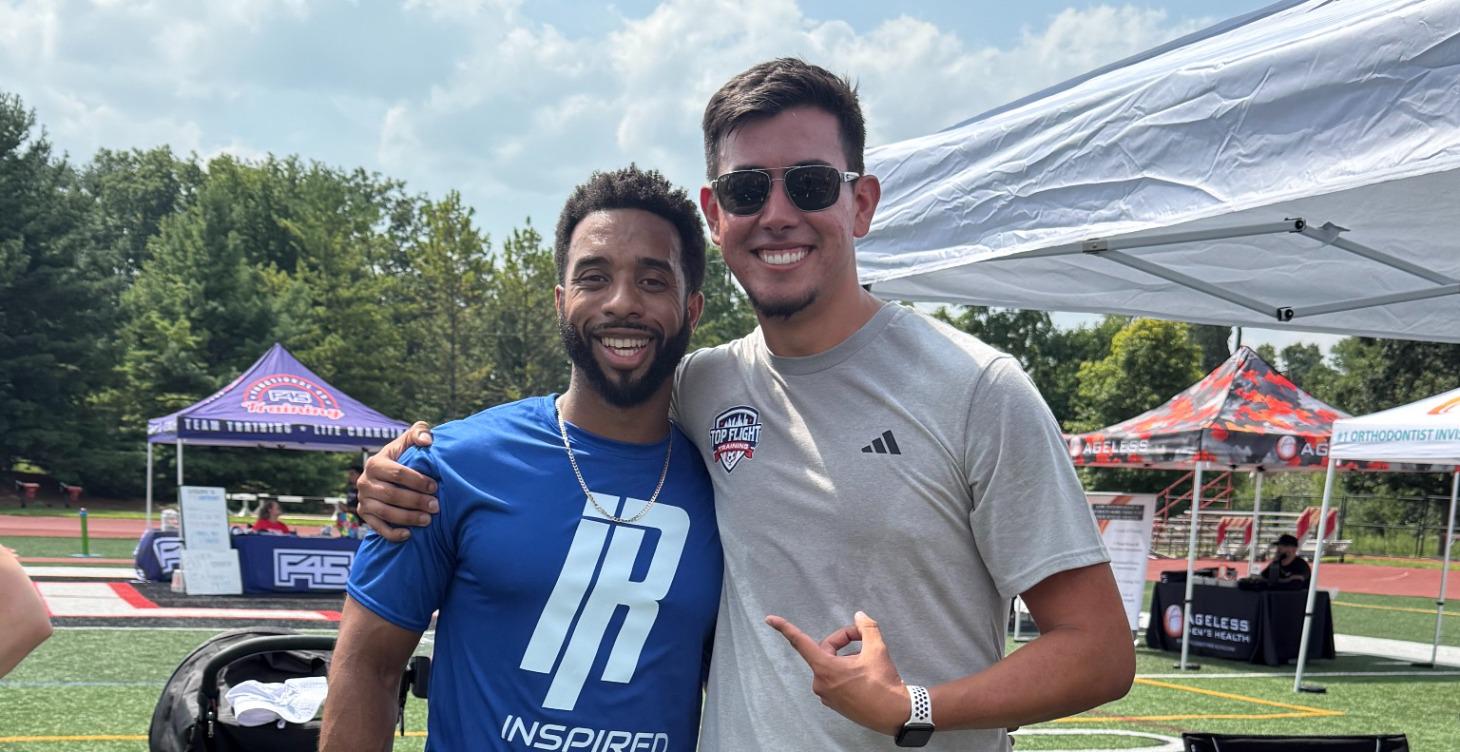
At-Home Strength Workouts
At-home strength workouts give soccer players a powerful advantage between training sessions. Building strength in the legs, core, and upper body improves balance, speed, and injury prevention. Consistent home routines also develop discipline and accountability. When players take ownership of their fitness outside the field, they arrive stronger, more confident, and ready to perform at a higher level.
0%
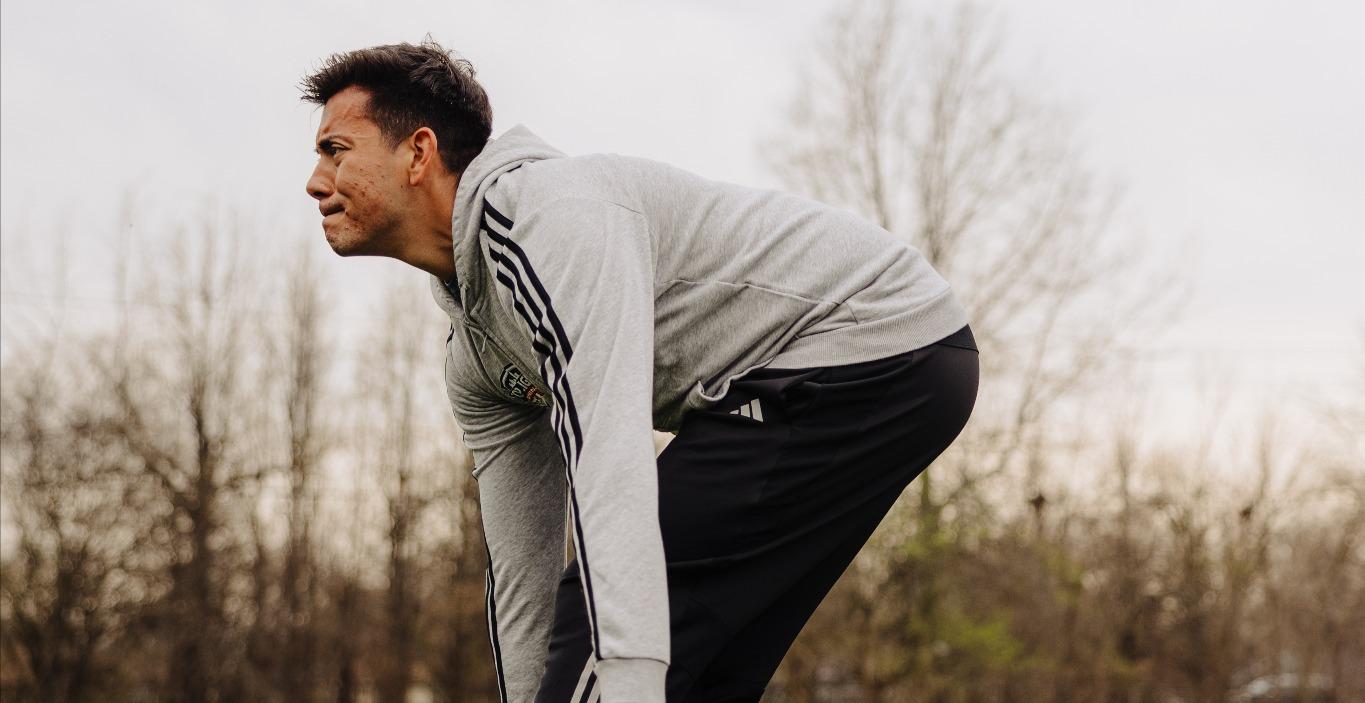
Dynamic & Static Stretches
Flexibility isn’t optional—it’s performance insurance. Adding both active and static stretching into your routine improves mobility, control, and recovery. Athletes move cleaner, reduce injury risk, and maintain better balance through every phase of play. When your body moves freely, your decisions come faster and your execution becomes more consistent under pressure.
0%
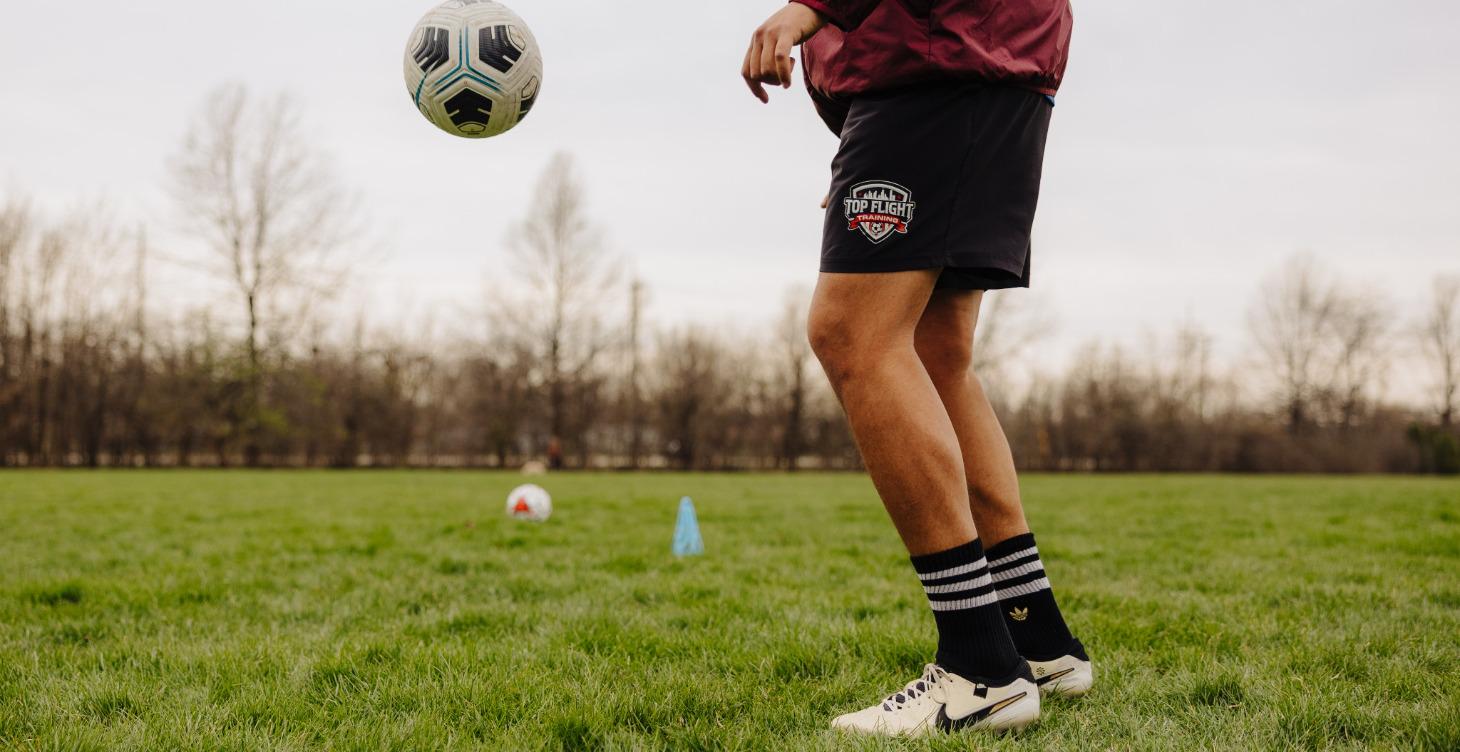
A Running Template For YOU!
Off days shouldn’t mean zero movement. Soccer athletes who include light running and agility work between sessions stay sharper, quicker, and more game-ready. It reinforces movement patterns, improves conditioning, and keeps reactions fast without overloading the body. Smart off-day work builds consistency—so when it’s time to perform, nothing feels rushed or out of sync.
0%

Avoid ODP (Olympic Development Program)
A detailed checklist before pursuing ODP. Is your child technically sharp under pressure? Consistent against top competition? Mentally resilient, coachable, and self-motivated? ODP raises the standard in speed, decision-making, and accountability. Entering too early can overwhelm a player. Entering prepared builds confidence and maximizes exposure. Timing matters more than ambition when chasing high-level development.
0%
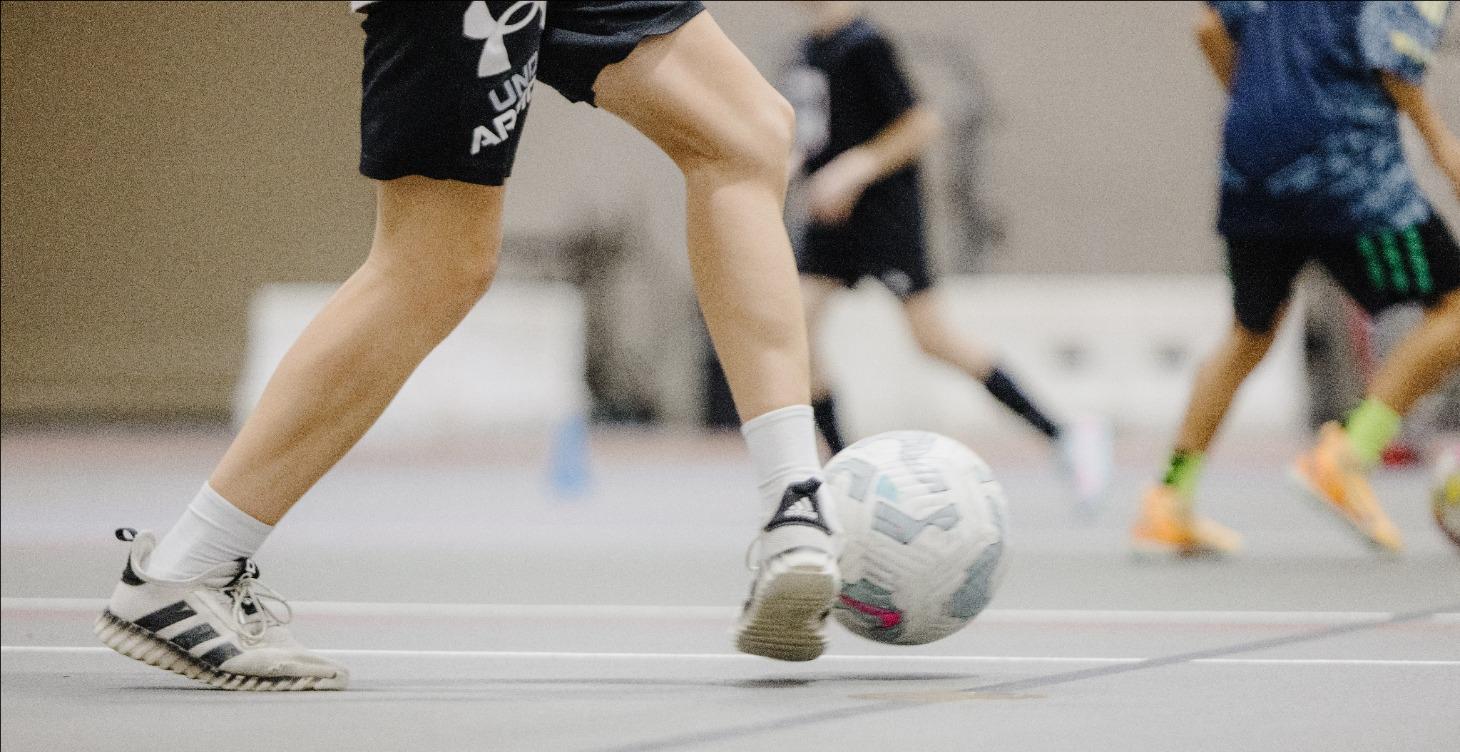
Video Analysis & Self-Evaluation
Video analysis is a powerful tool for soccer development because it allows players to see what they feel during training and matches. Small details in positioning, body shape, timing, and decision-making become clear on screen. When players review their performance, they learn faster, correct mistakes sooner, and build stronger game awareness. For parents and athletes committed to growth, video analysis turns every session into a learning opportunity.
0%

Herbalife Is For Everyone!
Many families explore nutritional support products to help fill gaps in daily eating and support active lifestyles. For children and teens playing sports, balanced nutrients may help sustain energy, support recovery, and complement whole-food meals. Adults also look to support wellness, healthy weight management, and consistent energy.
Before starting any product, it’s important to talk with a pediatrician or healthcare professional first to ensure safety and appropriateness.
0%
1-25 of 25