

🔥
18d •
Breakfast Uit Die Groot Karoo
Nou kyk jy kan breakfast maak op baie maniere en lekker ook. Vandag wys oom Koos vir ons hoe die delwers breakfast gemaak.
🔥
Apr 11 •
Salt Underneath the Tongue Trick
I come across this, just maybe it can help someone. 𝗧𝗵𝗲 "𝗦𝗮𝗹𝘁 𝗨𝗻𝗱𝗲𝗿 𝘁𝗵𝗲 𝗧𝗼𝗻𝗴𝘂𝗲" 𝗧𝗿𝗶𝗰𝗸: A Quick Guide The Concept: Proponents of this home remedy believe that placing a pinch of unrefined salt (like Himalayan or Celtic salt) under the tongue allows minerals to enter the bloodstream directly through sublingual absorption, bypassing the digestive system. 𝗖𝗼𝗺𝗺𝗼𝗻 𝗨𝘀𝗲𝘀: - 𝗛𝗲𝗮𝗱𝗮𝗰𝗵𝗲 𝗥𝗲𝗹𝗶𝗲𝗳: Often used at the first sign of a headache, especially those caused by dehydration or low electrolytes. - 𝗥𝗮𝗽𝗶𝗱 𝗛𝘆𝗱𝗿𝗮𝘁𝗶𝗼𝗻: Practitioners often take a pinch before drinking a glass of water, claiming it helps the body "open the door" to cells for better water absorption. - 𝗘𝗹𝗲𝗰𝘁𝗿𝗼𝗹𝘆𝘁𝗲 𝗕𝗮𝗹𝗮𝗻𝗰𝗲: Used by athletes or those sweating heavily to quickly restore sodium levels. 𝗦𝗮𝗳𝗲𝘁𝘆 & 𝗖𝗮𝘂𝘁𝗶𝗼𝗻𝘀: - 𝗠𝗼𝗱𝗲𝗿𝗮𝘁𝗶𝗼𝗻 𝗶𝘀 𝗩𝗶𝘁𝗮𝗹: Use only a small pinch. Excessive salt intake is a major risk factor for high blood pressure, heart disease, and kidney issues. - 𝗖𝗵𝗲𝗰𝗸 𝘄𝗶𝘁𝗵 𝗮 𝗣𝗿𝗼: This is a traditional remedy, not a medical cure. Consult a healthcare provider if you have hypertension or chronic health conditions. 𝗗𝗲𝗯𝘂𝗻𝗸𝗲𝗱 𝗖𝗹𝗮𝗶𝗺𝘀: There is no scientific evidence that this method treats erectile dysfunction (ED) or aids in weight loss.

🔥
Mar 24 •
Washing machine off Grid
Anyone's nightmare is washing day and then came loadsheding and you can't wash and the washing is piling up. Here is our solution after we are on permanent loadsheding or let me put it this way, without electricity input to our home. No more handwashing for us. This invention is fast and reliable 24/7/365 and take less than an hour to get the close clean and on the wire to dry. Sametime get some exercise in.


Mar 25 •
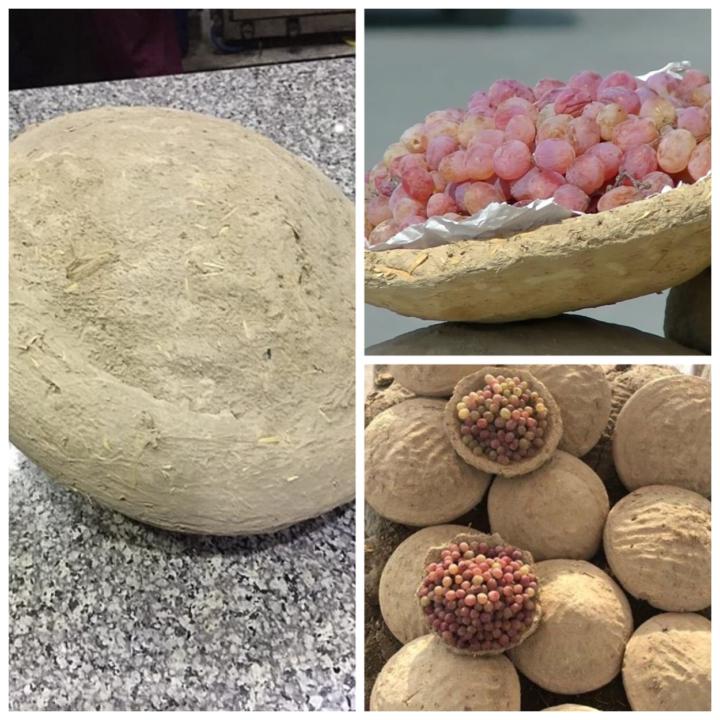
Clay Storage vessels.
[2024/08/12, 11:53] Toeka & NOU PERMAKULTUUR: How to make (KANGINA) Storage vessels. And it's History! Discs are formed from two bowl-shaped pieces, which are sculpted from mud and straw, and baked in the sun before being filled with up to 1–2 kilograms of un-bruised fruit and sealed with more mud. They are kept dry and cool, away from direct sunlight. What do you do if you want to prolong the shelf life of your favourite seasonal fruits? Putting the fruit in the fridge can help extend its lifespan for a week or so beyond the kitchen fruit bowl. Longer than that, you would certainly consider freezing, or, if you are ok with a major change in taste and consistency, dehydration would be an alternative. Aside from the longer storage capacities of certain thick-skinned apple and pear varieties, we would be hard-pushed to keep our perishable fresh fruit in a succulent, ripe state for longer than a couple of weeks without one of the aforementioned technological interventions. In northern Afghanistan however, there heralds a surprising traditional practice that very effectively preserves the local fruits of summer and early autumn into the starker winter months and beyond. The English transliteration (for there is no direct English word) for this method is known as kangina (or gangina). Looking like loaves of sourdough bread from a little distance, each kangina is made of two layers of wet clay-rich mud, with each layer being molded into a bowl shape and then put into the sun to bake. When each pair of rustic “earthenware bowls” is completely dried, around 1kg of ripe, pert, unbruised fruit – most Afghans prefer to use certain varieties of grapes – are put inside, and then sealed with another serving of mud to form a single closed, air-tight vessel. The kangina is then stored in a cool, cellar-like space, away from direct sunlight, with some people preferring to actually bury the vessels underground. Northern Afghan peoples have used this method for hundreds of years to keep their grapes fresh beyond the growing season. In fact, you may be surprised to learn that the geographical area of Afghanistan has been growing grapes since at least 2000BC, making it one of the most ancient grape growing areas on the planet. While raisins are also very popular in Afghanistan, by the time the winter and spring rolls in, with fresh fruit scarce, the ripe, juicy grapes, snuggly housed in their kangina, are highly sought after. In these cold months, kangina marketplaces across the north, beguile locals with a taste of the sweet succulence of summer and many farmers make a good income from the kangina method of preservation, almost unknown outside of Afghanistan.
1-8 of 8
powered by

skool.com/toeka-nou-masterminds-1188
🌿 Toeka & NOU: Connecting humans & nature for our kids. Heritage & growth. Bou van Toeka tot NOU! 🏕️ Securing the future for the next generation.
Suggested communities
Powered by