
Jun '25 (edited) • The Hub
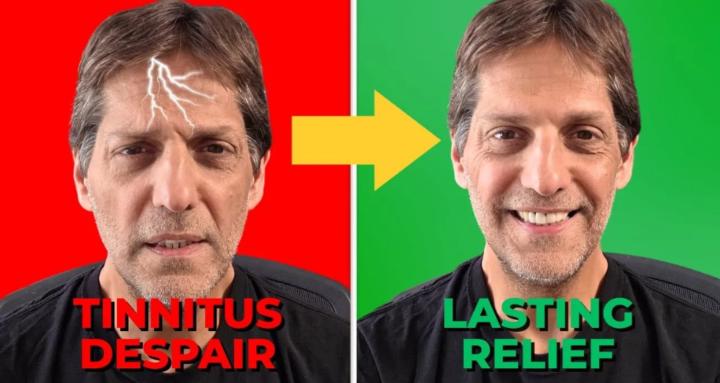
The Real Reason Nothing Has Helped Your Tinnitus Yet
If you’re struggling with tinnitus and nothing you’ve tried has helped, there’s likely one big reason: You’re treating symptoms without understanding your tinnitus type and cause.
In this post (and video), I’ll walk you through how to stop guessing and start building a strategy that actually works for you.
➡️ Step 1: Know Your Tinnitus Type
There are several core types of tinnitus, including:
- Subjective tinnitus (the most common)
- Objective tinnitus: Caused by muscle spasms or vascular issues, and audible to a doctor
- Pulsatile tinnitus: Rhythmic sound matching your heartbeat
- Neurological or musical tinnitus: Linked to brain or nerve issues
➡️ Step 2: Match the Right Tools
Once you know your type, you can match it to the right strategies:
- Hearing aids (for hearing loss-based tinnitus)
- Sound therapy (often combined with hearing aids)
- Relaxation & breathing techniques
- CBT or AI-based CBT tools
- Physical therapy or massage (for somatic types)
- Medical evaluation (for objective or pulsatile types)
➡️ Step 3: Combine Strategies
One tool alone rarely works. Real relief comes from combining the right tools, your personalized tinnitus toolbox, and using them consistently. Example: Combining sound therapy with simple relaxation techniques.
You can also improve your results with:
- High-quality sleep
- Hydration
- Nutrition
- Daily stress reduction
➡️ My Own (shortened) Story
I’ve lived with severe tinnitus and hearing loss for 15+ years. I’ve tried it all, and I know how overwhelming it can be. That’s exactly why I created this community, to help you finally find clarity and relief, and to create a space where you can get real tools, ask questions, and connect with others who truly understand. You’ll get support from me as your coach, and from a community that’s here to support each other.
🎥 Watch the full video here for more detail and examples: https://youtu.be/BTGWaMvU8BI
Let me know in the comments if you recognize your tinnitus type or have questions about matching it with the right tools. I’m here to help.
5
5 comments
The Real Reason Nothing Has Helped Your Tinnitus Yet
skool.com/tinnitus
Practical tinnitus relief & habituation solutions for people whose life demands peace, focus, clear communication and quality sleep.
Leaderboard (30-day)
1

+155
2

+99
3

+69
4

🔥
+49
5

+47
Powered by