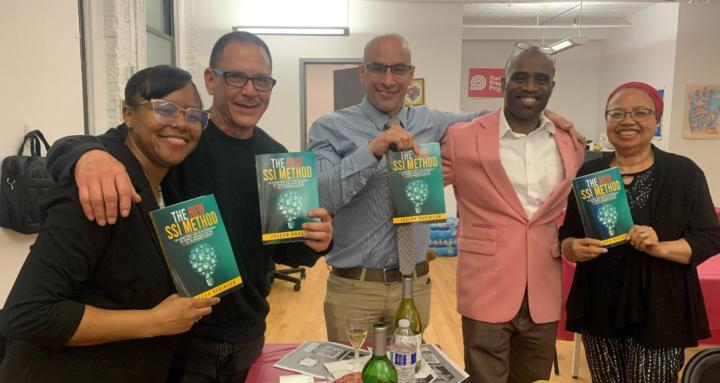
Unlock Your Mindset — Workshop at BMCC
On Wednesday, March 4th, I had the opportunity to lead a workshop at Borough of Manhattan Community College titled “Unlock Your Mindset.” The room was filled with mostly young college students who are thinking seriously about their futures — aspiring entrepreneurs, future professionals, and students preparing to launch their careers. And if there’s one thing I’ve learned over the years, it’s this: Your future is shaped less by your circumstances and more by your mindset. During the workshop, we explored several powerful ideas, including: • The role of self-concept and identity in shaping behavior • Why mindset often determines financial and career outcomes • The difference between thinking like a consumer and thinking like an owner • The three money mentalities — spender, saver, and investor • How the Be → Do → Have framework helps you design the life you want For many students, college is the first time they begin thinking seriously about the direction of their lives — what kind of career they want, what kind of impact they want to make, and what kind of financial life they want to build. But the real question is deeper than that. It’s not just “What do I want to do?” The more important question is: “Who do I need to become?” When you become the right person — someone disciplined, curious, strategic, and ownership-minded — the actions begin to align, and the results eventually follow. That’s the essence of the Think Outside the Cell philosophy. It’s about learning to think differently about opportunity, about money, and about the kind of life you’re capable of building. I’m grateful to have had the chance to engage with this next generation of thinkers and builders. Conversations like these matter because they plant seeds early — seeds about entrepreneurship, financial literacy, and long-term thinking. And when young people begin thinking this way early in life, it can change the trajectory of everything that comes after. Let’s continue building a community where people challenge old assumptions, develop strong mindsets, and learn how to design their futures intentionally.