
Write something

2d •
🥚 Egg Preservation Methods: Water Glassing, Freezing & Pickling Science
As the day light increases, you might find yourself drowning in eggs during peak production. Preserve them for lean winter months! Let’s explore the science behind different methods. WATER GLASSING (Sodium Silicate): HOW IT WORKS: 💦Sodium silicate solution seals egg pores 💦Prevents air/bacteria entry 💦Creates airtight barrier METHOD: 💦Mix 1 part sodium silicate to 9 parts water 💦Submerge UNWASHED fresh eggs (bloom intact!) 💦Store in cool, dark location 💦Can last 12-18 months! IMPORTANT: 🥚Only use fresh, clean, unwashed eggs 🥚Bloom must be intact for success 🥚Wash before using 🥚Traditional method with long history FREEZING: WHOLE EGGS: 🥶Cannot freeze in shell (expands, cracks!) 🥶Beat eggs, pour into ice cube trays 🥶3 tablespoons = 1 egg equivalent WHITES ONLY: 🥶Freeze well without additives 🥶Thaw in refrigerator YOLKS ONLY: 🥶Add 1/8 tsp salt OR 1.5 tsp sugar per 4 yolks 🥶Prevents gel-like texture 🥶Label sweet or savory! SHELF LIFE: 🥶Up to 12 months frozen 🥶Use within 3 days after thawing PICKLING: THE SCIENCE: 🥒Acid (vinegar) + salt creates preservation environment 🥒pH below 4.6 prevents bacterial growth 🥒Hard-boil eggs first! BASIC METHOD: 🥒Hard boil and peel eggs 🥒Heat vinegar, salt, spices 🥒Cover eggs completely 🥒Refrigerate minimum 1-2 weeks before eating SAFETY NOTE: 🥒Pickled eggs MUST be refrigerated! 🥒No safe canning method exists for pickled eggs 🥒Consume within 3-4 months OTHER METHODS: OILING: 🥚Coating with mineral oil seals pores 🥚Extends refrigerator life 🥚Less long-term than water glassing REFRIGERATION (Fresh): 🥚Unwashed eggs: 3+ months refrigerated 🥚Washed eggs: 5 weeks refrigerated 🥚Bloom protects! Food Safety Reminder: ✓ Start with clean, fresh eggs ✓ Discard cracked eggs ✓ When in doubt, throw it out! Your turn: ❓Have you tried any preservation methods? What worked best? 🧊
Jan 12 •
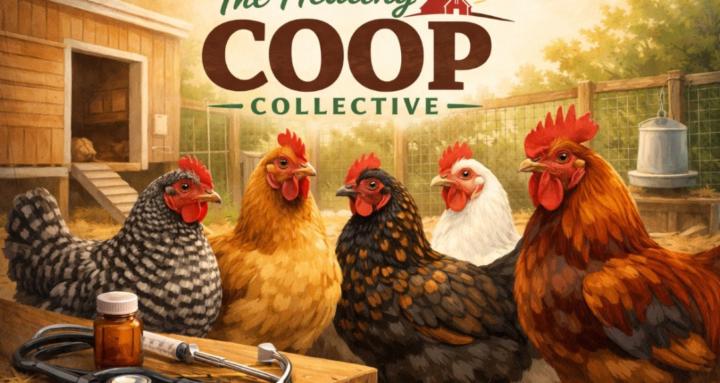
Welcome to The Healthy Coop Collective! 🐔
Hi everyone! I'm Dr. Nisana, and I'm thrilled to launch this community dedicated to helping you raise healthier, happier backyard flocks. A bit about me: I'm a Doctor of Veterinary Medicine specializing in avian and poultry health through my practice, Covenantal Wings Veterinary Services. My background includes working in commercial poultry, and now I focus on bringing that professional veterinary expertise to backyard poultry keepers like you. I live on an 80-acre homestead in Oklahoma with my husband and daughter. What to expect here: I created The Healthy Coop Collective because I saw too many backyard keepers struggling with conflicting information online and limited access to poultry-savvy veterinarians. This community bridges that gap. Here's what's coming: ✅ Daily Engagement - Tips, discussions, case studies, and community support to keep your knowledge growing ✅ In the Premium plan: Weekly Educational Resources - In-depth guides, protocols, and tools on disease prevention, nutrition, biosecurity, and wellness management ✅ In the VIP plan: One Private 1-on-1 Veterinary Video Consultation Per Month - Personalized flock health guidance from me directly This is a space for learning, asking questions without judgment, and building confidence in your ability to care for your birds. Whether you're brand new to poultry or have years of experience, you belong here. Let's get started! Drop a comment below and tell me: - What type of poultry do you keep? - What's your biggest flock health challenge right now? - What topics do you most want to learn about? I can't wait to get to know you and your flocks. Here's to healthier coops and thriving birds! 🌿 —Dr. Nisana
2d •
🌿 Culinary Herbs Safe for Chickens: Nutritional & Medicinal Properties
Your herb garden can benefit your flock! Many common culinary herbs offer nutritional value and supportive properties for chickens. Herbs with Benefits: OREGANO: 🍃Contains carvacrol and thymol 🍃Studied for antimicrobial properties 🍃Supports digestive health 🍃Commercial poultry research shows gut benefits THYME: 🌿Natural antioxidant properties 🌿Supports respiratory health 🌿Contains thymol (antimicrobial) 🌿Often paired with oregano in studies GARLIC: 🧄Supports immune function 🧄Natural antioxidant 🧄Some research on parasite resistance 🧄Feed in moderation (can affect egg flavor!) SAGE: 🌱Antioxidant properties 🌱Traditional use for digestive support ROSEMARY: 🌹Strong antioxidant activity 🌹Supports overall health 🌹Research shows preservative properties PARSLEY: 🥚High in vitamins A, C, K 🥚Mineral-rich (calcium, iron) 🥚Laying hen support BASIL: 🦠Antioxidant properties 🦠Antibacterial compounds 🦠Palatable to chickens MINT/PEPPERMINT: 💦Cooling properties 💦Natural insect deterrent around coop 💦Respiratory support How to Offer Herbs: FRESH: 🐔Hang bundles for enrichment 🐔Mix into feed 🐔Free-choice in run area DRIED: 🐓Sprinkle in nest boxes 🐓Mix with feed (1-2% of diet) 🐓Add to dust bathing areas Important Considerations: ✓ Herbs SUPPLEMENT, not replace, proper nutrition ✓ Introduce gradually ✓ Variety is beneficial ✓ Grow pesticide-free for flock use ✓ Research is ongoing—most evidence is supportive, not conclusive Herbs for Nest Boxes: Lavender, mint, rosemary—may help deter insects and provide calming environment. Your turn: ❓What herbs do you grow specifically for your chickens? 🌱 ❓Ever noticed health improvements after adding herbs to their diet? 🐔
1
0
6d •
💧 Water System Sanitation: Biofilm Prevention & Cleaning Schedules
Clean water looks clear, right? Not necessarily! Invisible biofilm could be making your flock sick. Let’s understand this hidden threat. What IS Biofilm? A slimy layer of bacteria, algae, and organic matter that forms inside waterers, lines, and nipples. You may not see it—but it’s there! Why Biofilm Is Dangerous: HARBORS PATHOGENS: 🦠E. coli 🦠Salmonella 🦠Pseudomonas 🦠Other harmful bacteria REDUCES WATER QUALITY: 🐔Bad taste (chickens drink less!) 🐔Blocks nipple waterers 🐔Reduces medication/supplement effectiveness HEALTH IMPACTS: 🐓Digestive issues 🐓Reduced immunity 🐓Poor growth and production 🐓Disease transmission Where Biofilm Forms: 💦Inside hoses and water lines 💦Waterer basins and fonts 💦Nipple drinker mechanisms 💦Any surface constantly wet Cleaning Schedule: DAILY: ✓ Empty and refill open waterers ✓ Rinse visible debris ✓ Check nipple function WEEKLY: ✓ Scrub waterers with brush ✓ Flush water lines ✓ Clean nipple mechanisms MONTHLY/Quarterly: ✓ Deep sanitize entire system ✓ Disassemble and scrub components ✓ Replace worn parts Effective Sanitizing Methods: VINEGAR (Natural Option): 🧼1 part white vinegar to 4 parts water 🧼Soak 15-30 minutes 🧼Scrub, rinse thoroughly 🧼Safe, natural, effective for light buildup HYDROGEN PEROXIDE: 🧼1 tablespoon per gallon water 🧼Breaks down biofilm effectively 🧼Rinse thoroughly after DILUTE BLEACH: 💦1 tablespoon per gallon water 💦Soak 10-15 minutes 💦Rinse EXTREMELY well! 💦Air dry before refilling OXYGEN-BASED CLEANERS: 🧼Commercial poultry water sanitizers 🧼Follow label directions Prevention Tips: ✓ Keep waterers out of direct sunlight (algae growth!) ✓ Elevate waterers (reduces debris contamination) ✓ Use white/opaque containers (inhibits algae) ✓ Change water daily in warm weather ✓ Consider nipple systems (less contamination) ✓ Prevent backflow from birds’ mouths Warning Signs of Dirty Water: 🦠Green algae visible 🦠Slimy feel inside container 🦠Foul odor 🦠Birds reluctant to drink 🦠Clogged nipples Your turn:
9d •
🥚 Egg Eating Behavior: Causes & Evidence-Based Prevention
Discovered a hen eating eggs? This frustrating habit can spread through your flock quickly! Let’s understand why it happens and how to stop it. Why Egg Eating Starts: ACCIDENTAL DISCOVERY: 🥚Broken egg gets tasted 🥚Hen learns eggs = tasty treat 🥚Behavior reinforces quickly! NUTRITIONAL DEFICIENCIES: 🥚Calcium deficiency 🥚Protein deficiency 🥚Overall poor nutrition MANAGEMENT ISSUES: ☀️Insufficient nest boxes ☀️Too much light in nests ☀️Thin-shelled eggs (break easily) ☀️Infrequent egg collection ☀️Boredom STRESS FACTORS: 🐔Overcrowding 🐔Lack of enrichment 🐔Competition for resources Prevention Strategies: NUTRITION: ✓ Complete layer feed (16-18% protein) ✓ Free-choice oyster shell for calcium ✓ Strong shells = fewer accidental breaks NEST BOX MANAGEMENT: ✓ Adequate bedding (cushions eggs) ✓ Darkened boxes (hens can’t see eggs well) ✓ Collect eggs frequently (2-3x daily minimum!) ✓ 1 box per 4-5 hens ENVIRONMENTAL: ✓ Reduce boredom with enrichment ✓ Adequate space per bird ✓ Provide things to peck (cabbage, treats) Breaking the Habit: IDENTIFY THE CULPRIT: 🐔Watch for yolk-stained beaks/feathers 🐔Observe flock around laying time INTERVENTIONS: 🥚Roll-away nest boxes (eggs roll out of reach) 🥚Ceramic/wooden fake eggs (frustrates pecking) 🥚Increase protein temporarily 🥚Fill blown eggs with mustard (unpleasant taste—works sometimes) 🥚Remove culprit temporarily LAST RESORT: Persistent egg eaters may need permanent separation. Behavior is extremely difficult to break once established, and it spreads to other hens! Key take-away: Prevention is far more effective than cure! Once established, egg eating has low success rate for correction. Your turn: ❓Ever dealt with an egg eater? What finally worked to stop it? ❓How often do you collect eggs daily? Is it enough? 🥚
1-30 of 74
skool.com/thehealthycoopcollective
Vet-led community for backyard poultry keepers. Dr. Nisana, DVM, provides expert guidance on flock health, disease prevention, nutrition, & wellness.
Leaderboard (30-day)
1
+24
2

+10
3

+8
4

+7
5

+6
Powered by