
27d (edited) • General discussion
AI and Watches: A Minefield (and no Offense to Myself!) 🕰️⚠️
What follows is an AI answer: but I was intrigued to know what an AI would be telling about its inherent fallacies while evaluating vintage watches. And I have to add, apart from the quirky logical conundrum of an AI asserting it is inexact, the answer is worth a read and a thought.
____________________________
While AI is great at many things, in the vintage watch world, it can lead you completely astray. In a 2026 market that has finally normalized and rewards the "Thinking Collector", technical literacy remains your only true compass.
Here is why you still can’t trust an algorithm when it comes to watches:
- The "Franken-Watch" Trap: An AI might recognize an original logo, but it lacks the expertise to tell if a crown is period-correct or if a dial is a later replacement that kills the watch's value.
- Patina vs. Damage: Most algorithms read a "Tropical" dial as a simple color defect. They can't distinguish between high-value natural aging and moisture damage that has compromised the movement.
- Outdated Valuations: AI often pulls from obsolete data. It ignores that in 2026, secondary market prices have stabilized, rewarding technical rarity over speculative hype.
- The Soul of the Mechanics: Recognizing the correct finish on a vintage caliber requires a sensitivity that goes beyond a database scan. It’s a matter of horological culture, not bits and bytes.
In our digital world, true prestige in the watch market remains "analog". It’s about your ability to analyze a piece with a loupe in hand. Don’t let a chatbot make your next big investment decision for you.
Let’s talk: 💬
Would you ever trust an AI to authenticate a high-stakes vintage piece, or do you still believe a human expert is non-negotiable? Share your thoughts in the comments!
1
2 comments
AI and Watches: A Minefield (and no Offense to Myself!) 🕰️⚠️
powered by
skool.com/the-watch-manual-5755
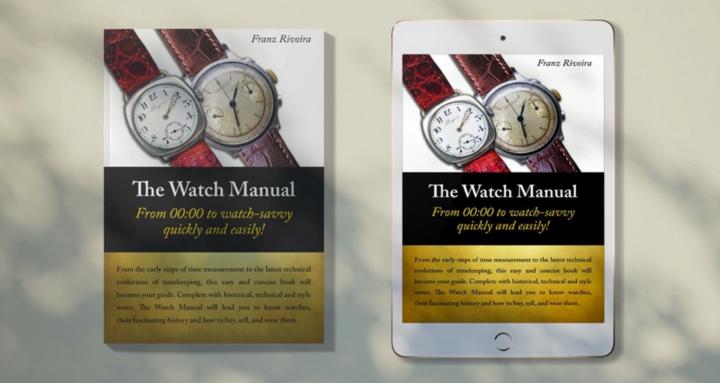
Want to learn about watches and watchmaking? "The Watch Manual" is the answer. It explains to beginners and enthusiasts everything about watches.
Suggested communities
Powered by