

Feb 3 •
Superhero Playlist!!!
https://open.spotify.com/playlist/4G4ZWa2HXhBOliWxlfyaGw?si=mS_3WnU8SiqOYscNhtwfnA&pi=FvbOr5BpR2iUm
0
0

Feb 3 •
The “If You Were a Superhero…” Challenge
If You Were a Superhero Today… Alright, heroes — let’s have some fun today. If you were a superhero right now, today only, no powers required… 🛡️ What would your hero name be? 🧭 What would your “power” actually be? (Examples: showing up, listening, fixing things, calming chaos, making people laugh) This isn’t about being impressive. It’s about being honest. Sometimes the real superpower is: Not giving up Caring when it’s easier not to Being steady instead of flashy Helping quietly Drop your hero name and power below — short or long, serious or silly. There are no wrong answers here. The League is built one hero at a time.
0
0

Feb 1 •
🛡️ A Note on Subscriptions & What They Support
I want to take a moment to be open about the subscriptions in the League of Heroes. As much as I’d love for this group to be completely free forever, there’s a lot we’re building here — and more importantly, a lot we want to do beyond the screen. The small subscription fees serve a few very intentional purposes: Helping people who are less fortunate through direct acts of kindness, support, and outreach Keeping the League vibrant and alive, with courses, missions, tools, and ongoing community care Creating real-world resources like training manuals, guides, and paraphernalia that members can actually use and keep Every dollar that comes in is folded back into the mission. This isn’t about profit — it’s about sustainability, reach, and impact. The fees are intentionally small, and my hope is always that anyone who chooses to support the League gets far more value, growth, and connection than what they ever pay in return. There will always be ways to participate here, contribute in non-monetary ways, and be part of the mission. This is a community first and always. Thank you for being here. Thank you for helping keep the League strong. The world needs heroes — and we build them together. 🛡️
0
0

Feb 1 •
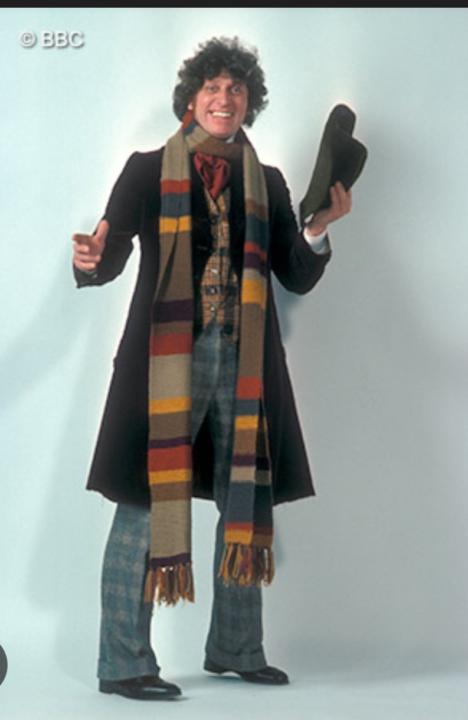
Some Superheroes don't wear Capes!
Not every Superhero looks like your stereotypical Superhero!
Feb 1 •
Why Superheroes Exist (And Why You’re Here)
Every superhero story starts the same way. Not with strength. Not with confidence. Not with a perfect life. It starts with someone ordinary who feels the weight of the world and decides: “Someone has to do something. Maybe it can be me.” Superheroes wear masks not to hide who they are — but to protect the parts of themselves that are still healing. Batman lost his parents. Superman lost his home. Spider-Man lost his innocence. The costume didn’t erase their pain. It gave them permission to act anyway. The League of Heroes exists for the same reason. Not to pretend we’re fearless — but to practice courage in small, real ways. If you’ve ever felt that pull to help… to stand up… to matter… You’re in the right place. 🛡️ Welcome to the League.
1
0

1-6 of 6
powered by
skool.com/the-league-of-heroes-2671
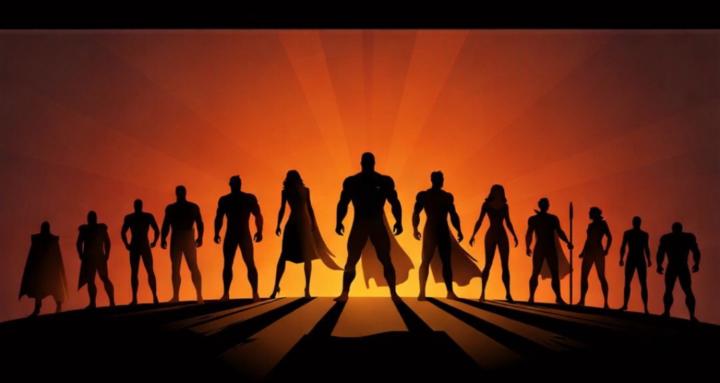
A real-world superhero league for everyday people who choose courage, service, and responsibility.
Suggested communities
Powered by