
Write something

May 13 •
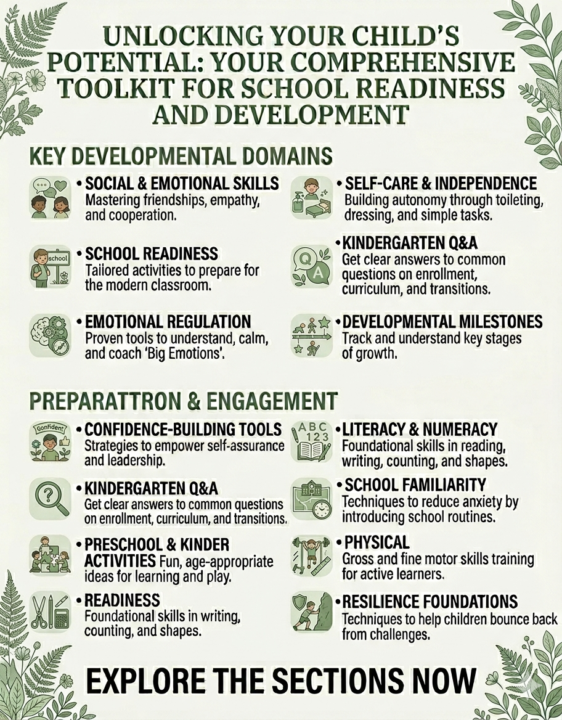
Curriculum Theme: Building the Resilient Child
Week 1: The Biology of Big Feelings Goal: Understand how the developing brain processes emotions and why "logic" often fails during a meltdown. Key Concept: The "Hand Model of the Brain." Parents learn to visualize the prefrontal cortex (the lid) and the amygdala (the thumb). When a child is overwhelmed, they "flip their lid." Discussion Topics: Why we can’t reason with a child in the middle of a tantrum. The role of "Co-regulation": How a calm adult helps settle a child’s nervous system. Practical Tool: Identifying "triggers" (hunger, tiredness, over-stimulation) before the lid flips. Week 2: The Language of Connection (Emotion Coaching) Goal: Transitioning from "stopping the behavior" to "validating the emotion." Key Concept: "Name it to Tame it." Research shows that labeling an emotion reduces the physiological intensity of that emotion. Discussion Topics: The 5 steps of Emotion Coaching: Awareness, Connecting, Listening, Labeling, and Problem-Solving. Common "Dismissing" Pitfalls: Why saying "You’re fine" or "Don't be sad" can accidentally shut down communication. Practical Tool: Practice "Reflective Listening" scripts (e.g., "I can see your body looks very tense; it looks like you are feeling frustrated that it’s time to clean up.") Week 3: Social Scaffolding & Play-Based EQ Goal: Using play and daily routines to build social skills and empathy. Key Concept: "Scaffolding" social interactions. Teachers and parents act as the support structure while a child learns to share, take turns, and read facial expressions. Discussion Topics: How "Themed Play" helps children practice empathy (e.g., playing "Doctor" or "School"). Reading the Room: Helping children identify non-verbal cues in their peers. Practical Tool: The "Peace Table" or "Calm Down Corner"—creating a physical space in the classroom and at home where children can go to regain their composure. Week 4: Collaborative Problem-Solving Goal: Moving from adult-led discipline to child-inclusive solutions.
0
0
May 5 •
Kindergarten Preparation
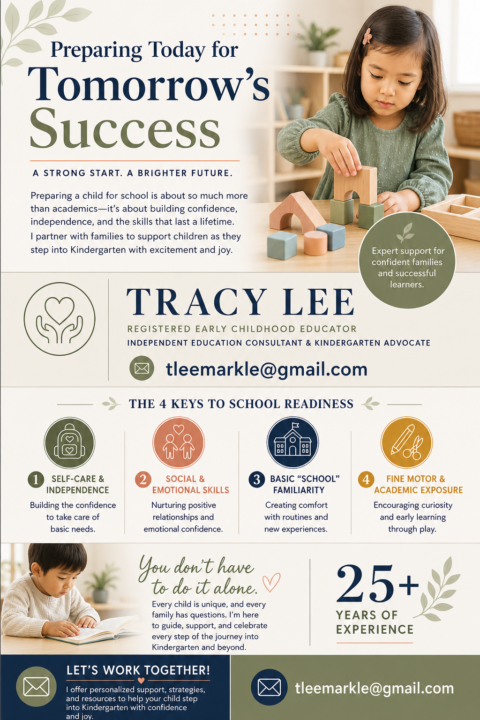
I offer families personalized support and strategies, that help children feel empowered, secure, and capable to step into Kindergarten. I partner with families to build skills and confidence, preparing them through the Four Keys to School Readiness and Mindfulness Mastery for Parents. 🤍🌿 Do you have questions? Let’s chat!
0
0
1-3 of 3
powered by
skool.com/the-kindergarten-advocate-3995
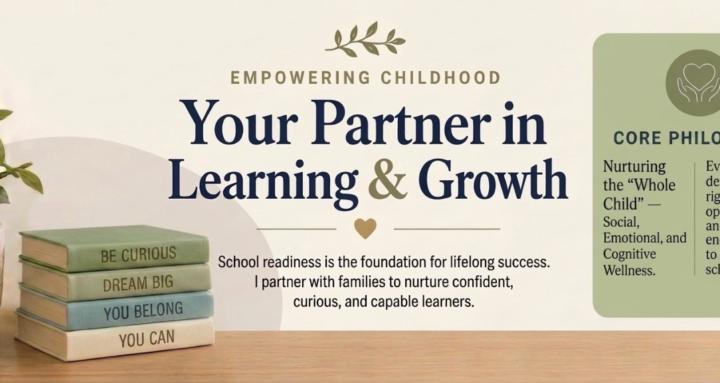
Core purpose is supporting families to create strong foundations for their children's lifelong learning pathways.
Kindergarten Readiness Preparation.
Suggested communities
Powered by