11d • General discussion
Brain Motility and Breathing the Body: Our January Webinar
Brain Motility, the Dance of Flexion–Extension, and the Mystery of Primary Respiration
Chinese Medicine calls the brain a "curious organ," not one fully understood —a mysterious luminous lantern of thought connected to spirit and together referred to as the "mind."
Beneath the skull’s protective curve, the brain isn’t still. It expresses a subtle, rhythmic motion known as brain motility. Not muscular movement, not vascular pulsing—something more intrinsic, more tidal. Something that feels oceanic wave like, and an intelligent medium for an electric system.
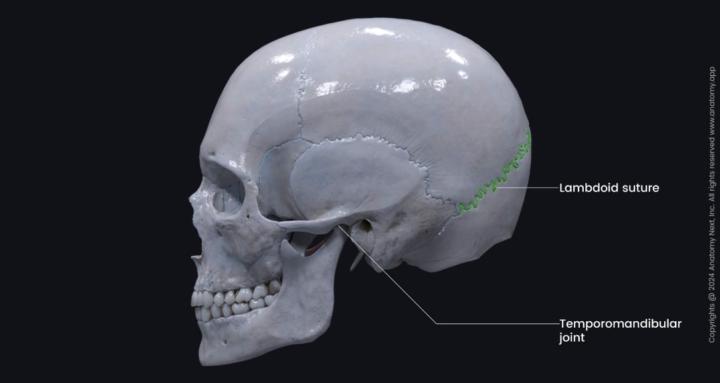
When we palpate in craniosacral work, this subtle rhythm announces itself as flexion and extension, two phases of a continuous cycle that shape the contours of the brain, and its motility creating the mobility or movement for the membranes, the ventricles themselves, the cranial bones, and the sacrum.
William Sutherland, the Grandfather Spirit of Craniosacral Work, called this movement Primary Respiration. We will look at the ways in which Primary Respiration match the Chinese Medicine concept of Qi, as the animating force that breathes the body.
Join the Webinar January as we go over:
Primary Respiration
Brain Motiltiy
Cranial and Sacral Flexion and Extension based on understanding brain Motility
The Automatic Suspended Shifting Fulcrum of the Brain, Ventricles, and Cranium
Primary Respiration and Qi as the animating force of life.
2
0 comments
Brain Motility and Breathing the Body: Our January Webinar
powered by
skool.com/the-craniosacral-classroom-2206
Explore Chinese Medicine Concepts in Craniosacral and Zangfu (Visceral) contacts through live classes, webinars, course material, & mentorship.
Suggested communities
Powered by