
Pinned

Pinned
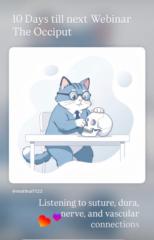
May 3 •
The Craniosacral Classroom, now 100% donation based
When covid happened and patients started to have lessened or sometimes entirely loose their whole incomes, I changed the structure of my practice to allow either a regular rate, or a donation based rate, meaning a patient can tell me what is doable for them to access care, and for however long the work needed, care is given. Over the weekend I began creating an online community for my patients, and geared to the public, in sharing practices that help my health, in hopes it may help their health, to move from patient to participant in their own care. There will be nourish with Matt, meditate with Matt, read with Matt, Travel with Matt, Muse on Life with Matt, - and I've called it, with Matt, and placed it on the buy me a coffee platform as a completely donation based offering. As I sat with it, I began to feel, this space should be the same, 100% donation based. If you look in the membership offerings, no longer will there be the freemium, and then an upgrade to the webinars and then an upgrade to . . . etc . . . the classroom space will be free. Instead it will be either: free, choose $10 support, choose $50 support. There will be no change in the information offered from one tier to the next. I will give what I can. You absorb what is needed. If it resonates with you, please choose a support option. Please share with others and grow the community. What I cannot make free is our in person classes, but perhaps you may be inspired to join the core curriculum of the Milne Institute, or the adjunct curriculum I have developed in Chinese Medicine Concepts in Craniosacal and Visceral Contacts, somewhere around the world. I also still need to charge for online one on one or small group mentorship. And this community has grown quite a bit in short time, to 150 members over 17 countries and counting, I feel deeply honored to hold this space together. As in the videos, it is about let's learn together. This year we will continue to focus in on the embyrology, movement, articulations, nerve and vascular innervations, meridian energetics, biological mysticism or poetry, of each major cranial bone and sacrum.
Pinned
Jun 15 •
How to change Tiers and Upgrade Support Plan
I have had a good number of people reached out about how to change their plan from one level to another, so I made a video. I hope these videos and webinars are serving you, and stay tuned for more additions of live classes into 2027 to be posted in the class registration tab in the coming weeks.
0
0

9d •
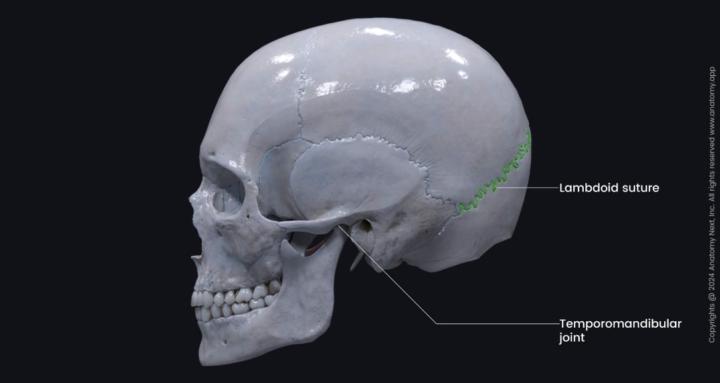
Next Webinar: Sphenoid lens of the 12 Cranial Nerves
BECAUSE OF TEACHING PLANS AGAIN WHERE I WILL BE ON A PLANE THE FIRST WEDNESDAY OF NOVEMBER, I HAVE SCHEDULED THIS WEBINAR ON SUNDAY NOVEMBER 1ST, WHICH SEEMS LIKE IT MAY GIVE MOST PEOPLE A CHANCE TO ATTEND: When I learn anatomy, and consider anatomical understanding, I like to be able to understand how anywhere in the body can relate to three bases: sacrum, heart, and sphenoid. When I first learned cranial nerves in acupuncture school, it was direct memorization without much understanding. This one hour webinar will focus on how the sphenoid directly or indirectly through another anatomical connection, be it suture, tendon, or muscle, affects and is affected by the cranial nerves. Our webinar on the sacrum was recorded yesterday and in the general discussion, and in the classroom tab, then sacrum, and you'll see the two video shorts, online course material, and the recorded webinar. Matthew

1-30 of 205
skool.com/the-craniosacral-classroom-2206
Explore Chinese Medicine Concepts in Craniosacral and Zangfu (Visceral) contacts through live classes, webinars, course material, & mentorship.
Leaderboard (30-day)
1
+1
2

+1
3
+1
4
+1
5

+1
Powered by