
Write something

Feb 16 •
How Your Energy Affects Your Manifestations
Our energetic bodies are integral to shaping our reality, influencing how we experience life, how we interact with others, and how we manifest our desires. Everything in the universe is energy, and that includes our thoughts, emotions, beliefs, and actions. Our energetic bodies are the non-physical components of ourselves that resonate at different frequencies. They extend beyond our physical bodies and interact with the world around us, influencing our experiences and, in turn, helping to create our personal reality. What Are Our Energetic Bodies? In spiritual and holistic practices, it is believed that humans have multiple layers of energetic bodies, sometimes referred to as auras or energy fields. These layers are thought to extend beyond our physical form, and they are composed of various levels of energy that correspond to different aspects of our lives: - Physical Body: The densest energy layer, corresponding to our physical existence. - Etheric Body: The energetic double of the physical body, often thought to be the blueprint of our physical form. - Emotional Body: Connected to our emotions, this energetic layer stores emotional energy and is responsible for how we feel and react to experiences. - Mental Body: Related to our thoughts and mental processes, this layer influences how we perceive the world and make decisions. - Astral Body: This body is said to be connected to the spiritual or soul aspect of ourselves, representing our higher consciousness and the ability to connect to the universe on a deeper level. - Spiritual Body: The highest energetic layer, linked to the divine, universal consciousness, and the pure essence of our soul. The state of these energetic bodies directly influences how we navigate through life. For example, if your emotional body is unbalanced and filled with unresolved pain or negative emotions, your reality may reflect those emotions through challenging situations, relationships, or experiences. On the other hand, if your energy is clear and aligned with positive frequencies, you may find that life flows more smoothly and effortlessly.
0
0
Feb 16 •
What Is "Shadow Work"?
Shadow work is a term used in psychology and personal development that refers to the process of confronting and integrating the hidden or repressed aspects of the self, often referred to as the "shadow." These are parts of ourselves that we may not fully recognize, understand, or accept, typically because they are uncomfortable, painful, or considered undesirable. The concept of shadow work is closely associated with Carl Jung, a Swiss psychiatrist and psychoanalyst, who believed that embracing the shadow self is crucial for psychological wholeness and self-realization. At its core, shadow work is about bringing unconscious aspects of the self into conscious awareness. By doing so, it can create profound transformation in various areas of life, particularly physical, emotional, and spiritual well-being. What is Shadow Work? Shadow work involves recognizing, accepting, and integrating the hidden parts of your personality, emotions, beliefs, and experiences that you have repressed, denied, or overlooked. These shadows may be associated with: - Unresolved trauma - Negative emotions (like anger, guilt, shame, fear) - Negative self-beliefs (such as inadequacy or unworthiness) - Suppressed desires or needs - Past wounds and experiences that influence behavior unconsciously When we deny or suppress these aspects, they often manifest in unhealthy ways, affecting relationships, work, self-esteem, and overall well-being. Shadow work helps to bring these aspects to light and integrate them into the conscious self, leading to greater inner harmony and self-empowerment. How Shadow Work Transforms Your Life 1. Emotional Transformation Unprocessed emotions can deeply affect how we feel about ourselves and interact with others. Often, the shadow contains emotional wounds and traumas that have been repressed, as we have not known how to deal with them or have avoided them out of fear. Emotional Transformation through Shadow Work: - Healing Emotional Wounds: Shadow work provides an opportunity to confront emotional pain that has been buried, such as grief, anger, betrayal, or heartbreak. By acknowledging and processing these emotions, you can release their hold on your present experience and let go of patterns that no longer serve you. - Healing Through Awareness: By becoming aware of how emotions affect your behavior, you can learn healthier ways to manage them. For example, anger or resentment might stem from past wounds, and understanding the root cause can help you let go of these emotions and replace them with healthier coping mechanisms. - Empathy and Compassion: As you integrate your own shadow aspects, you become more empathetic and compassionate toward others. You start to understand that others are also carrying their own shadows, which can lead to more harmonious relationships and greater emotional intelligence.
1
0

Feb 12 •
Crystals & Their Healing Properties
Crystals have been used for thousands of years as tools for healing, spiritual growth, and manifesting positive change. Many ancient cultures, from the Egyptians to the Greeks to Indigenous peoples, revered crystals for their energetic properties and their ability to influence physical, emotional, and spiritual well-being. In modern times, the use of crystals has gained even more popularity as people seek alternative and natural ways to promote healing and transformation in their lives. How Crystals Hold the Key to Healing and Change: Crystals are believed to work on the energetic level by interacting with the body’s energy fields or auras. Each crystal vibrates at a specific frequency, and it is this vibrational energy that is thought to affect your own energy. The belief is that by using crystals, you can either raise or balance your own energy, remove blockages, or amplify certain intentions, helping you align with a higher state of being and bringing about positive changes in your life. 1. Vibration and Energy: Everything in the universe, including our bodies and minds, is made up of energy that vibrates at different frequencies. Crystals are natural conductors of energy, and their molecular structure allows them to maintain stable vibrational frequencies. When you work with crystals, their frequencies are believed to interact with your own, helping to either balance or enhance your energy. This is why certain crystals are used for specific purposes, such as emotional healing, physical health, or spiritual alignment. 2. Chakra Healing: Crystals are often used to heal and balance the body’s chakras, the seven energy centers that govern physical, emotional, and spiritual health. Each chakra corresponds to specific areas of life, such as love, creativity, communication, and intuition. By placing crystals on or near these chakra points, their energy can help clear blockages, balance the flow of energy, and encourage healing. For example: - Rose Quartz (Heart Chakra) helps open the heart to love and compassion. - Amethyst (Crown Chakra) enhances spiritual awareness and intuition. - Citrine (Solar Plexus Chakra) boosts confidence and personal power.
0
0

Feb 12 •
The Power of Healing Frequencies
Sound frequencies have been used for centuries in various cultures and healing traditions to promote physical, mental, emotional, and spiritual well-being. The idea is that everything in the universe, including our bodies, is made up of energy that vibrates at different frequencies. When these vibrations are in harmony, we experience health, abundance, and fulfillment. When they are out of balance, we may experience disease, emotional struggles, or a lack of vitality. 1. The Science of Sound Frequencies: At its core, sound is a vibration that travels through a medium (like air, water, or even solid matter) and resonates at a specific frequency, measured in Hertz (Hz). Human beings can perceive sound frequencies within a specific range (typically from 20 Hz to 20,000 Hz), but even frequencies outside this range—such as those used in music, chants, or specific therapeutic sound waves—can still have a profound impact on our bodies and minds. Sound frequencies affect the body and mind through a phenomenon known as resonance. When the frequency of a sound matches the natural frequency of a part of the body or the mind, it can lead to a state of harmony or balance. If there is a mismatch, however, it may lead to dissonance, which can cause stress, discomfort, or even illness. This principle forms the basis of sound healing. 2. Sound Frequencies and Healing: Various sound frequencies are believed to have specific healing effects on different aspects of our lives. Some sound therapies, like binaural beats, Solfeggio frequencies, and crystal singing bowls, are used to align and balance the energy of the body. Here’s how they can aid in promoting healing and creating a more abundant, fulfilling life: a. Binaural Beats: Binaural beats involve playing two different sound frequencies in each ear, causing the brain to perceive a third frequency that is the mathematical difference between the two. For example, if one ear hears a 300 Hz tone and the other ear hears a 310 Hz tone, the brain will perceive a beat at 10 Hz.
1
0
Feb 11 •
Cultivating A Positive Mindset and Its Effect on Your Reality
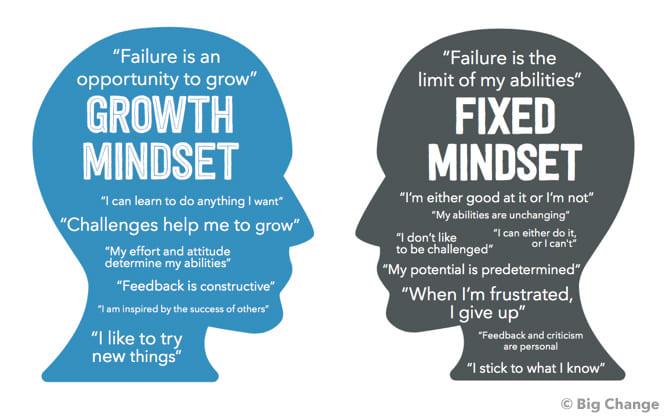
A positive mindset can have a profound impact on many aspects of your life, affecting not only your mental health but also your physical well-being, relationships, and overall success. When you adopt an optimistic outlook, you're more likely to handle life's challenges with resilience, take action toward your goals, and maintain a sense of hope even during difficult times. Here’s how a positive mindset can influence different areas of your life: 1. Improved Mental Health A positive mindset helps reduce stress, anxiety, and depression. When you focus on the positive aspects of your life, you shift your attention away from what’s not going well, which can reduce feelings of helplessness. Optimism encourages self-compassion and helps you develop healthier coping strategies when faced with adversity. This mental resilience makes you better equipped to face setbacks without feeling overwhelmed. 2. Better Physical Health Studies have shown that a positive mindset can lead to better physical health. People with an optimistic attitude tend to have stronger immune systems, lower levels of inflammation, and better heart health. This is partly because positivity reduces the stress hormones that can weaken the body over time. Additionally, positive thinkers are more likely to engage in healthy habits like exercising, eating well, and getting enough sleep. 3. Increased Motivation and Productivity When you have a positive outlook, you're more likely to take proactive steps toward your goals. Positivity fuels motivation, making it easier to stay focused and persistent, even when progress is slow. People with positive mindsets are less likely to give up on their dreams, and they're more open to learning from failures rather than being discouraged by them. This drive to keep moving forward can result in greater productivity and success in both personal and professional life. 4. Stronger Relationships A positive attitude can help strengthen your relationships with others. People are naturally drawn to individuals who are optimistic and have a positive outlook, making it easier to build strong connections. When you approach relationships with kindness, patience, and an open heart, it fosters a more supportive and harmonious environment. Positivity also helps in resolving conflicts more effectively, as you’re more likely to seek solutions rather than focusing on problems.
2
0
1-7 of 7
powered by

skool.com/the-collective-2102
The Collective is to help people reconnect to their inner power & explore holistic/spiritual tools to support mental, emotional & soul-level healing.
Suggested communities
Powered by