
Write something

Feb 16 •
Shadow Work Journal Prompts
Here’s a list of journal prompts designed to aid in your shadow work journey. These prompts will help you explore your unconscious mind, face hidden aspects of yourself, and bring deeper healing and awareness. As you go through these prompts, be patient with yourself and allow whatever emotions arise to flow freely. There is no right or wrong way to engage in shadow work—just honesty and self-compassion. Journal Prompts for Shadow Work 1. Exploring Your Triggers: - What situations or people consistently trigger negative emotions in me (e.g., anger, fear, jealousy)? - How do I react when I feel triggered? What does that say about my underlying fears or insecurities? - When was the last time I felt irrationally triggered, and what is the deeper cause of that emotional reaction? 2. Exploring Unresolved Emotions: - What are the emotions that I tend to suppress or avoid feeling? Why do I avoid them? - How do I feel when I’m alone with my emotions? What thoughts or fears come up? - What past experiences have I not fully processed emotionally? What would it look like to finally release them? 3. Self-Criticism and Self-Judgment: - What is the harshest thing I tell myself when I make a mistake? - What part of me do I criticize most? Why do I believe this part of myself is “bad” or “wrong”? - What would it look like to accept this part of myself without judgment or guilt? 4. Repressed Desires and Needs: - What desires or needs do I suppress because I believe they are not "acceptable" or "appropriate"? - What dreams or goals have I abandoned out of fear of failure, judgment, or not being enough? - How would my life change if I allowed myself to pursue these repressed desires? 5. Exploring Shame and Guilt: - What are the things I feel ashamed of? What beliefs about myself are tied to these feelings? - When I feel guilt, what is the root cause? Is this guilt serving me, or is it a learned response from others? - How can I begin to forgive myself for the things I feel guilty or ashamed about?

Feb 12 •
Abundance vs. Lack Mindsets
A lack mindset is a belief system rooted in the idea that there is not enough of what you need or desire in the world—whether it's money, love, opportunities, success, or resources. It stems from a sense of scarcity and can manifest as feelings of insecurity, fear, or jealousy. People with a lack mindset often focus on what they don't have, rather than appreciating what they do have. This mindset can significantly influence how they navigate their lives, limiting their potential and keeping them stuck in patterns of scarcity. How a Lack Mindset Develops Through External Conditioning: A lack mindset doesn’t just appear on its own—it’s often the result of conditioning by external factors, especially early experiences and societal influences. Here's how this conditioning typically happens: 1. Early Childhood Experiences: From a young age, children absorb messages from their parents, caregivers, and the environment around them. If a child grows up in a household where money was always tight, where their parents expressed worry or fear about financial stability, or where there was an emphasis on the struggle to make ends meet, they may internalize the belief that there is never enough. These early experiences can create subconscious beliefs like "Money is hard to come by" or "Success is only for a select few." Similarly, if a child witnesses negative experiences in relationships (like seeing family members struggle with love or connection), they may form beliefs like "I’m not worthy of love" or "Good relationships are hard to find." 2. Societal and Cultural Conditioning: As individuals grow, they are exposed to messages from society, culture, and the media. Many aspects of modern society—such as advertising, social media, or traditional media—perpetuate the idea that happiness, success, or abundance are reserved for those who have wealth, status, or access to certain resources. The constant bombardment of images showcasing "perfect" lives can lead individuals to feel that there is not enough to go around and that their own life is somehow deficient.
1
0
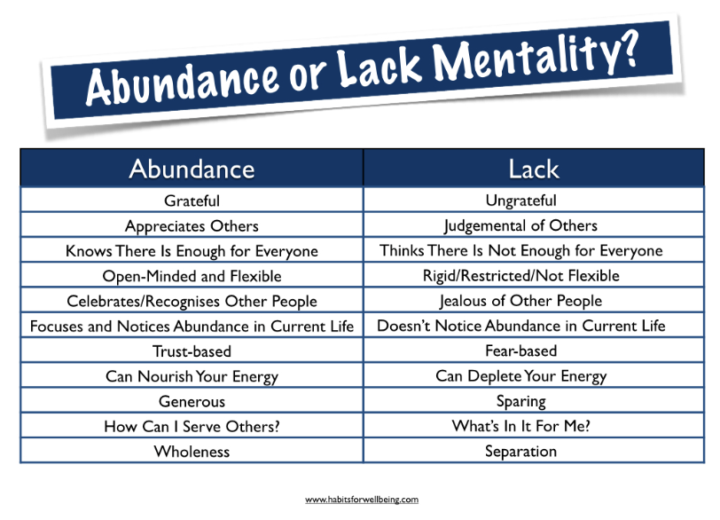
Feb 12 •
Re-wire Your Reality By Re-wiring Your Thoughts With These Helpful Affirmations!
Affirmations are powerful tools for shaping your reality, both on a conscious and subconscious level. Essentially, affirmations are positive statements or declarations that you repeat to yourself with the intention of bringing about change, whether it's in your thoughts, emotions, actions, or overall life experience. They can be a game-changer for personal development, self-confidence, goal achievement, and creating the life you desire. Here’s how affirmations work and how they can affect your reality: 1. Rewiring the Subconscious Mind: Your subconscious mind is like a vast storage system that houses your beliefs, memories, habits, and emotions. These mental programs shape your perceptions and behaviors, often without you even being aware of it. Many of these subconscious beliefs were formed during childhood, through social conditioning, or through repeated experiences. Affirmations work by directly influencing the subconscious mind. When you repeat positive statements regularly, you begin to overwrite negative or limiting beliefs with empowering ones. For example, if you’ve always believed that you’re not good enough or worthy of success, consistently repeating an affirmation like "I am worthy of love and success" can help reprogram your subconscious to believe and act in alignment with that statement. 2. Shifting Your Thoughts and Emotions: Your thoughts and emotions are intimately connected. Negative thought patterns often lead to negative emotions, which in turn affect your actions and experiences. When you repeat affirmations, you begin to shift your mental focus from negative, limiting beliefs to more positive, empowering ones. Over time, this shift in thinking can change your emotional state as well. For example, if you’ve been feeling anxious or stressed, repeating affirmations like “I am calm, peaceful, and in control” can help shift your emotions towards a more relaxed and empowered state. This emotional shift can, in turn, help you respond more effectively to challenging situations and ultimately create a more positive and balanced reality.
1
0

Feb 8 •
Flip The Script!
🌞 The Flip The Script Daily Practice (10–20 minutes total | science-backed | soul-aligned) This practice is designed to gently retrain your brain toward resilience, optimism, and empowered perception — without bypassing real emotions. You’re not pretending everything is perfect. You’re teaching your nervous system and mind to look for possibility instead of defaulting to threat. ———————— 🧠 STEP 1 — Morning Awareness Scan (2 minutes) BEFORE grabbing your phone, pause and ask: - “What am I feeling right now?” - “What thoughts are already running in my mind?” No judgment. No fixing. Just noticing. 👉 Why this matters: Awareness is the gateway to neuroplastic change. You can’t rewire what you’re unconscious of. Optional Journal Prompt: “This morning my dominant thought pattern is…” ———————— 🔁 STEP 2 — Name the Default Story (2 minutes) Choose ONE repeating thought that feels heavy, stressful, or limiting. Examples: - “Nothing ever works out for me.” - “I’m behind.” - “I always mess things up.” - “This shouldn’t be happening.” Write it down exactly as it appears. 👉 You’re pulling the thought out of your head and into the light. ———————— 🔄 STEP 3 — Flip the Script (5 minutes) Ask yourself: - “What is another true way to look at this?” - “If this were happening for me, how might that look?” - “What could this be teaching me?” Now write a gentler, more empowering version of the original thought. Examples: Old: “Nothing ever works out for me.” New: “Things are unfolding in ways I don’t fully see yet.” Old: “I’m stuck.” New: “I’m in a season of integration and preparation.” Old: “I failed.” New: “I gathered data. I’m refining.” 👉 This is cognitive reframing — training your brain to choose a different interpretation. ———————— 🧬 STEP 4 — Emotional Anchoring (3 minutes): Read your new reframed thought slowly. Then place a hand on your chest and ask: - “What would it feel like in my body if this new thought were true?”
2
0
1-4 of 4
powered by

skool.com/the-collective-2102
The Collective is to help people reconnect to their inner power & explore holistic/spiritual tools to support mental, emotional & soul-level healing.
Suggested communities
Powered by