
Write something

30d •
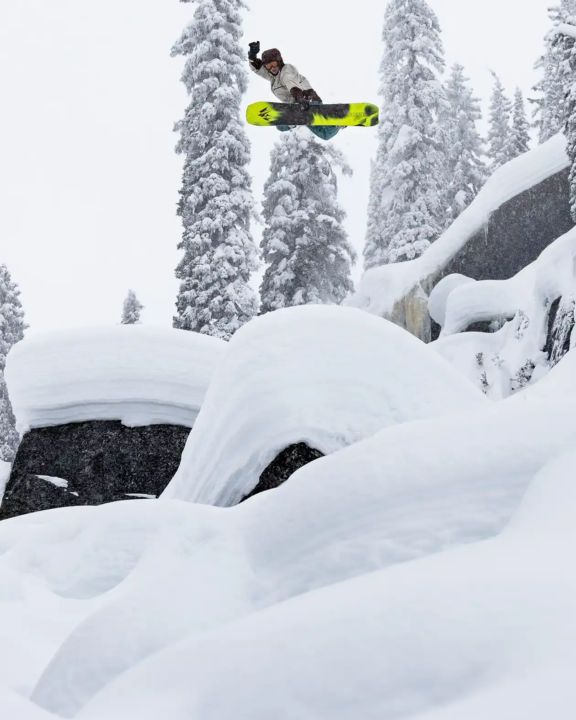
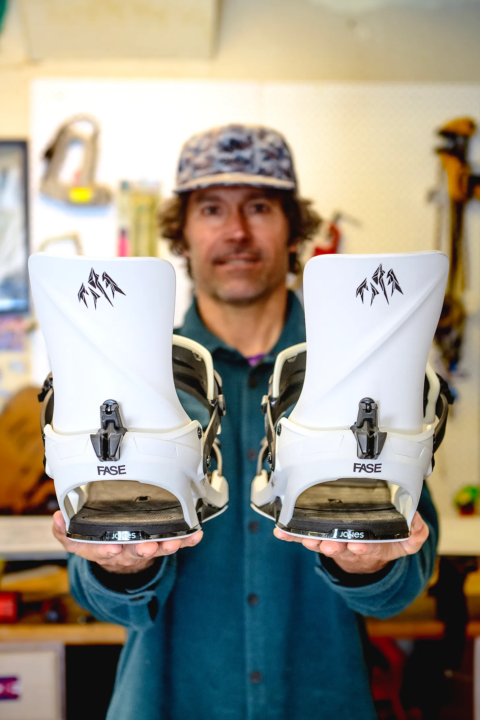
Jones Howler + Mercury FASE: A Season's Worth of Honest Miles at Park City
Full disclosure upfront: this isn’t a lap or two around the block take. I’ve been riding the Jones Howler and Mercury FASE bindings all season at Park City Mountain Resort, in everything from early corduroy to wind crust to the powder days the Wasatch actually delivered this winter. So here’s where things actually land after some real mileage. The Howler The Howler is a new model for ‘26, a directional freeride board designed in collaboration with Victor de Le Rue and Elena Hight, and it shows. This thing was built with serious terrain in mind, but the design stops short of being a dedicated freeride sled. It’s got a blunted, minimally tapered shape that keeps switch riding honest, and a high full-camber profile that gives the tail real authority at takeoff and genuine stability on landing. The mid-stiff flex (think a 4 out of 5) is in that sweet spot where the board doesn’t feel locked up but will absolutely hold an edge when you ask it to. What’s notable is how well it actually carves for a directional shape. The thing rips a clean turn on hardpack and groomers without feeling twitchy or demanding. The construction deserves some credit here: Koroyd in the nose section kills swing weight and keeps the front end from getting wobbly in variable snow, while Bcomp Carbon/Flax stringers under the bindings suck up chatter and add the kind of torsional stiffness you want when the mountain gets sketchy. The core is a triple-density bamboo, paulownia, and poplar mix that keeps the board lively without making it nervous. The tapered directional shape means the nose has more real estate than the tail, which is the right call for float, but the tail is still kicked up enough that riding switch is a non-issue. This is genuinely a quiver-killer for the rider who wants one board to handle all-mountain duty, park laps, and the occasional steeper excursion. Jones built it to be ridden shorter than a traditional freeride board, too, which gives it an agility you wouldn’t expect from a board with this kind of stability at speed.
1
0
30d •
Magnetic Lens Goggles
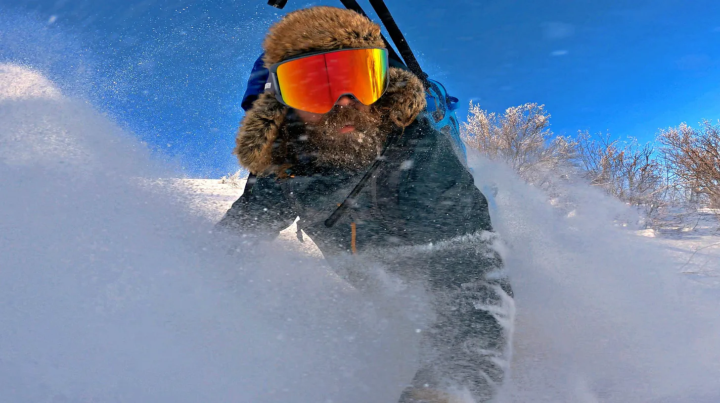
What separates a $75 Wildhorn from a $283 Smith I/O Mag when they both use magnets? Everything. Magnetic lens systems have revolutionized goggle technology, but the gap between budget and premium engineering is massive. This guide explains what you’re getting at every price point and why interchangeable lenses fundamentally change how you ride. Why Lens Swapping Actually Matters Light conditions change constantly on the mountain. That perfect 15% VLT bluebird lens becomes dangerously dark when clouds roll in. Your 60% VLT storm lens turns the world into an overexposed mess when sun breaks through. Riding with the wrong tint isn’t just uncomfortable; it’s dangerous. In flat light with a dark lens, you can’t see terrain variations or ice patches. Storm lenses in bright sun cause eye strain and reduced peripheral awareness. With quick-swap capability, you optimize vision in real-time instead of compromising for two-thirds of your day. Traditional clip-in systems were such hassles that riders never swapped lenses. Magnetic technology takes 3-5 seconds even with gloves, which means you’ll actually use your spare lenses and experience the vision benefits interchangeable systems provide. How Magnetic Systems Work Premium systems like Smith’s MAG use 8 magnetic contact points plus dual mechanical locks. Even if magnets fail, side levers keep lenses attached. The magnets are N52 grade, the strongest available. Anon’s Magna-Tech uses fewer but more powerful magnets. Dragon’s Swiftlock combines magnets with a single release lever. Budget brands like Wildhorn use rare-earth magnets with side-clip locks for reliable retention at accessible prices. The difference isn’t magnet count. It’s magnetic field strength, manufacturing precision, and backup systems. Entry-level prioritizes value; premium adds engineering refinement for bomb-proof retention. Safety note: Four years ago, snowboarder Shelby Perry’s magnetic lens popped off during a tree crash, resulting in permanent eye injury. Modern systems have dramatically improved with mechanical backup locks and stronger magnets. Budget goggles today are far safer than early implementations.
0
0
30d •
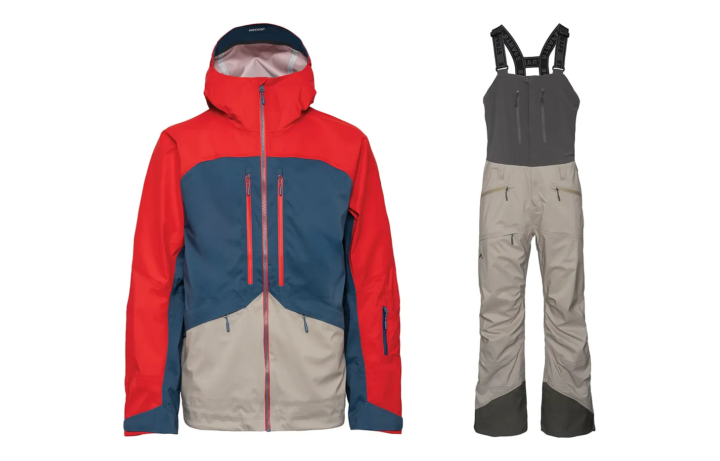
Strafe Nomad Jacket & Bib Review: Six Days of Testing in Variable Conditions
After six days on snow wearing the Strafe Nomad Jacket and Nomad Bib in everything from 10-degree bluebird mornings to 25-degree snowstorms with wind, I can confidently say this kit represents one of the most reliable outerwear combinations available for serious mountain use. That’s not marketing speak. This assessment comes from someone who’s designed technical outerwear for Burton, Helly Hansen, 686, Neff, K2, Grenade, Kemper, and my own Jib Hunt line. I know what goes into building proper shells, and more importantly, I know what fails in real conditions. Strafe supports legitimate riders, not just lifestyle influencers. Their ambassador roster includes splitboarders like Sadie Ford and Christopher Logan, along with snowboarders Shane Serrano and Molly Glassman who are putting this gear through proper mountain abuse. That matters when evaluating whether a brand understands what riders need versus what marketing departments think they need. The Jacket: Dialed for Mountain Reliability The Nomad Jacket ($679) uses Pertex Shield 3L construction with a 20K/18K waterproof/breathability rating. At 22.9 ounces, it’s substantial enough to handle abuse without feeling like you’re wearing a tarp. The relaxed fit allows proper layering without restricting movement, which matters when you’re skinning uphill in the morning and bombing runs by afternoon. From a design perspective, Strafe got the details right. The helmet-compatible hood features three-point adjustment that works while wearing gloves, something I’ve spent countless hours refining in my own pattern development work. Underarm vents are properly positioned and sized for dumping heat when you’re working hard. The pack-friendly chest pockets sit high enough that they don’t interfere with hip belts, and one includes an interior mesh sleeve for electronics. After testing through multiple temperature swings and weather conditions, the jacket’s Endurance DWR coating continues shedding moisture without issue. The membrane performed comparably to what I’ve seen in Burton’s AK 3L Gore-Tex lineup, which starts at $890 for their Acamar jacket. Arc’teryx’s Rush series runs $899, Patagonia’s PowSlayer hits $799, and The North Face Summit Tsirku GTX Pro sits at $850. Strafe delivers equivalent technical performance at a lower price point, which reflects their direct focus on mountain sports rather than lifestyle brand positioning.
0
0
Apr 10 •
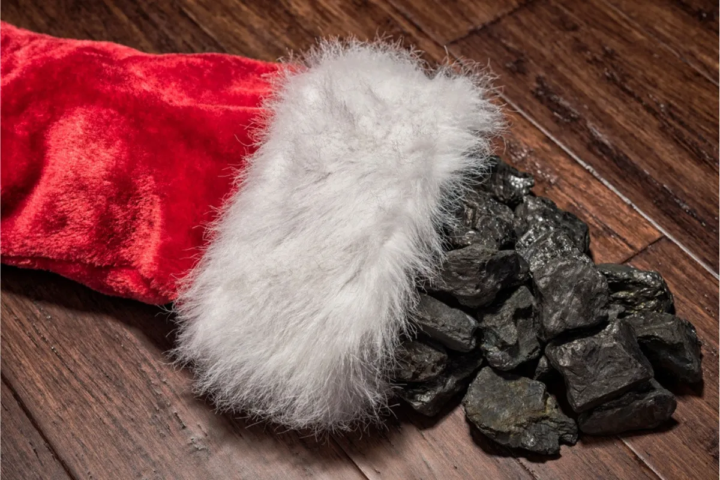
Stocking Stuffers That Don't Suck
Most snowboarding gift guides recommend $200 jackets as “stocking stuffers” or suggest buying someone a board when you have no idea what they ride. Here’s what to buy someone that shreds. The Maintenance Essentials One Ball (Jay) Wax ($12-30) Every rider needs wax, and most are too lazy or broke to buy it. One Ball Jay makes affordable, effective wax that works across temperature ranges. The X-Wax cold formula or Jay Butter all-temp option are both solid. Throw in a cork and you’ve got a complete kit that costs less than a single shop tune-up. Board Budder Glide ’n’ Slide Kit ($44.95) A complete wax kit that includes everything: nylon brush, cork bar, triangle scraper, and 192g of all-temperature plant-based wax. Board Budder keeps it simple with quality tools that work. This is the grab-and-go kit for anyone who wants to maintain their own gear without buying pieces separately. Burton EST Tool ($29.95) Binding screws come loose. A compact multi-tool with Phillips head bits saves the day when a binding angle starts moving from 15 degrees to 27 while you’re bombing a run at Mach 3. The Burton EST Tool is a quality snowboard multi-tool that you can count on. Bonus that it includes a bottle opener. Cheers! The Comfort Category Darn Tough Snowboard Socks ($27-32) Merino wool snowboard socks with a lifetime guarantee. Darn Tough makes socks that last, don’t bunch up in boots, and regulate temperature whether it’s 10 degrees or 40. The Backwoods model was developed with pro snowboarder Jake Blauvelt and features targeted shin padding. The Solstice offers lightweight breathability for spring days. Either way, these socks outlast everything else in the drawer. BlackStrap Hood Balaclava ($39-50) Face protection with the patented ExoHinge design that performs. Pull the mask up or down while the hood stays in place. Made in the USA with moisture-wicking fabric that’s helmet-friendly and lens-safe. Four-way stretch means it moves with you, and UPF 50+ blocks harmful rays. The Hood Balaclava is their workhorse model with 5,000+ five-star reviews backing it up. It can also be used if you’re joining a crotch-rocket biker gang or robbing a bank.
0
0
Apr 10 •
FASE Binding System Review
After seven years of development and real-world testing, the FASE Fast Entry System represents the most significant evolution in two-strap binding design since, well, the two-strap binding itself. But here’s what makes FASE different from every other “innovative” binding system that’s come before it: it doesn’t ask you to compromise. What FASE Actually Is FASE isn’t a binding brand. It’s an ingredient technology, similar to how BOA operates in the boot market or how Gore-Tex functions across outdoor gear. The system has been licensed to four launch partners: Jones, Bataleon, Rome, and ThirtyTwo. Each brand integrates the FASE system into their flagship models while maintaining their distinct design philosophies and performance characteristics. This means you’re getting the Jones Mercury FASE, the Rome Katana AW FASE, the Bataleon Blaster FASE, or the all-new ThirtyTwo T32M FASE. Each binding rides differently and targets different riders, but they all share the same core FASE technology. How It Works: Three Components, One System The FASE system revolves around three key innovations that work together seamlessly. The AutoBack is the star of the show. This is your highback, but reimagined. It features a pressure-sensitive pedal at the heel cup that, when engaged by your boot, automatically closes the highback around your heel. No levers, no manual latches, just step in and the AutoBack does its thing. When you’re ready to exit, bend your knee and lift your heel, the AutoBack opens automatically. The system also folds flat for chairlift rides and storage. The FastStrap is an extended ankle ladder that remains connected after opening the strap. Unlike traditional ankle straps that can flop around or require two hands to manipulate, the FastStrap stays engaged on the ladder, allowing genuine one-handed operation. The technique is simple: thumb on the buckle, pinky on the ladder strap, pinch together. The buckle tracks straight into the ladder without fumbling.
0
0
1-16 of 16
powered by
skool.com/that-snowboarding-skool-7084
Rated #1 Snowboarding Community in Skool! Snowboarding's past, present, and future.
Explore the history, culture, and brands shaping the sport.
Suggested communities
Powered by