
Write something

Apr 13 •
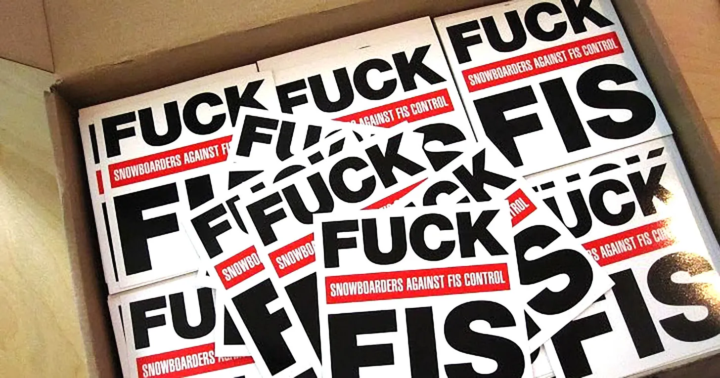
The Olympic Illusion
The 2026 Winter Olympics kick off in Milan Cortina in less than a month, and if you’re expecting snowboarding’s judging controversies to have been resolved since Beijing 2022, I’ve got some disappointing news for you. We’re about to watch this broken system play out on the world’s biggest stage, and the riders who’ve dedicated their lives to progression deserve better. Here’s the uncomfortable truth: Olympic snowboarding has been fundamentally flawed since day one, and the people running the show either can’t fix it or don’t want to. The International Ski Federation (FIS) has been snowboarding’s reluctant guardian for nearly three decades, and their track record speaks for itself. Missed grabs scored as perfect executions. History-making runs underscored by points that would be laughable if the stakes weren’t so high. Athletes forced to land the best run in halfpipe history twice just to get the score they deserved the first time. And yet, here we are again. Milano Cortina 2026 is three weeks away, and the core problems haven’t changed. The Same Script, Different Olympics If you watched the Beijing 2022 Olympics, you witnessed what might be the most egregious judging failure in snowboarding history. Max Parrot won slopestyle gold with a run that included a glaring mistake: he grabbed his knee instead of his board on his final triple cork 1620. The judges didn’t catch it. Head judge Iztok Sumatic later admitted the panel made a mistake, blaming inadequate camera angles and the pressure to score quickly for live television. But here’s the thing: Sumatic is a good dude who genuinely cares about snowboarding. The issue isn’t individual judges making honest mistakes under pressure. It’s a framework that sets them up to fail. Four years later, identical infrastructure issues persist. Judges still work under intense time constraints. Camera coverage is still dictated by broadcast requirements rather than judging needs. And FIS, the governing body that’s supposed to advocate for snowboarding, continues to prioritize Olympic tradition and television schedules over getting it right.
0
0
Apr 13 •
Chairlift Check-In: What's your favorite snowboard movie this winter?
What's your favorite snowboard movie this winter? Please answer below:
Poll
Cast your vote
0
0
Apr 13 •
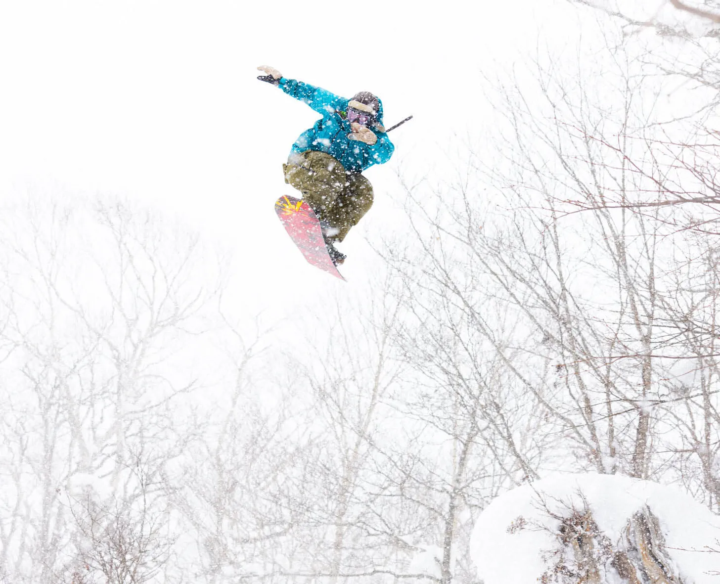
The Case for (and Against) Dope Snow
As “innovative” as the snowboarding industry once considered itself, the blunt truth is when you’re indoctrinated at the brand level, you collectively appreciate the smell of your own farts, and that seems to be enough for some. We’ve been sold a story of creative rebellion, youth against establishment, for decades, yet when I survey the scene online and assess outerwear offerings today I’m totally bored with the styles, colorways, and pattern prints. (And you should be, too …) While a good camo will always sell me, the rest feels like a monotonous replay of what we saw five years ago, five years before that, and so on. In this stagnant landscape of lackluster design and complacent creativity, where brands are comfortable resting on their heritage, something had to give. A shart was needed to shake the industry out of its self-congratulatory state of slumber and somebody’s else’s farts always stink. Enter: Dope Snow The name itself is a lightning rod. Mention it on a chairlift conversation and watch for the immediate eye-rolls from any of the old guard. For many in the core snowboarding world, the brand is a joke, a symbol of the “Insta-bro” aesthetic and a betrayal of the sport’s culture. For others, uhh, like the greater masses, it’s a reliable and resonate option: an affordable, stylish entry point into an expensive sport. The debate is fierce, often flagrant, and to fully understand it, you have to look at both sides of the coin with an open mind … The Case Against: The Fast Fashion Stigma The criticisms are easy to find and often feel justified, echoing sentiments about a lack of authenticity. The most common complaint is that Dope is simply a “fast fashion” brand for shred. It’s not built on a decades-long legacy of pro riders or deep-rooted community events. Instead, it’s a direct-to-consumer model fueled by an aggressive social media marketing blitz. For riders who have followed the sport since the days of magazines and VHS tapes, this feels like a hollow business built on a culture it doesn’t truly belong to or deserve to be included in.
0
0
Apr 13 •
Does Snowboarding Owe Nicolas Müller A Formal Apology?
From my seasoned professional and personal perspective, snowboarding’s moral compass is broke. Its semblance of existing media has been in a state of stupor (with notable exceptions), a struggling industry in part its own doing; of a fractured community predominantly forward leaning left into its political ideology; swallowing up narratives of the day, then letting such fodder fester and rot, polarizing its peoples; discounting the revered legacy of its contributive benefactors, all this within something so truly special — where politics should have no quarter. Let’s be keenly and quite clear: It’s because of those individually and collectively involved, accounted for and assembled rippers, riders, rebels, revelers, and outliers, that has shaped and made the shred scene pretty sweet. The multitude and magnitude of their talents, styles, voices, perspectives and personalities: legends, ladies and gents; lackeys, pros, man-ams, kids on the come-up, are of an inherent and innate quality that compelled so many of us to strap in, bound steadfast, and is an inspired draw for plenty of others new to this pursued form of snow play. However, in this modern era: Are we now a community that values conformity over free thought and its expression, or one that is brave enough to own its faults and admit when it was wrong … ? The All-Mountain G.O.A.T. If you ask a hundred snowboarders to name the greatest of all time, the answers usually split by era or discipline. You’ll hear Travis Rice for the scale, Terje Haakonsen [more on his own expulsion in a future post] for the transition, or Craig Kelly for the foundation. But if you ask who has the most perfect relationship with a mountain, the conversation starts and ends with Nicolas Müller. To watch Nico ride is to witness a masterclass in fluidity. While the rest of the world was chasing triple corks and robotic, transactional technicality, Müller spent a solid couple of decades proving that the most radical thing you can do on a snowboard is simply listen, in flow state, and respond to the terrain.
0
0
Apr 13 •
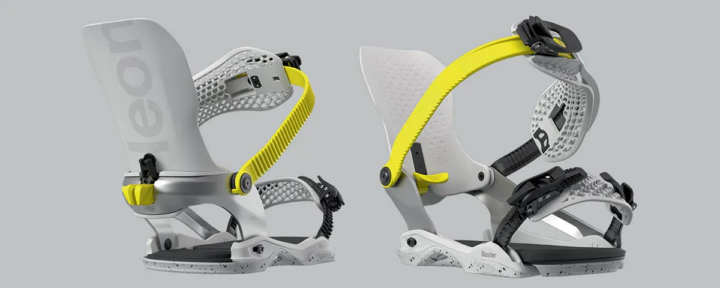
Chairlift Check-In: What type of snowboard bindings are you riding this winter?
What type of snowboard bindings are you riding this winter? Please answer below.
Poll
1 member has voted
0
0
1-15 of 15
powered by
skool.com/that-snowboarding-skool-7084
Rated #1 Snowboarding Community in Skool! Snowboarding's past, present, and future.
Explore the history, culture, and brands shaping the sport.
Suggested communities
Powered by