
4d • General Discussion
Practice good posture to prevent back and neck pain.
Practice good posture to prevent back and neck pain.
Benefit #1 :
*Reduces Chronic Pain:**
Maintaining proper posture helps alleviate and prevent persistent back and neck pain, which is common with aging.
As we get older, it's common to experience more aches and pains, particularly in the back and neck.
By paying attention to your posture, you can help prevent many of these problems from developing or worsening.
Good posture doesn't just reduce pain—it also improves your overall well-being. It can boost your energy, enhance your breathing, and even improve your mood. Plus, it helps prevent more serious issues like herniated discs or joint degeneration that become more common with age.
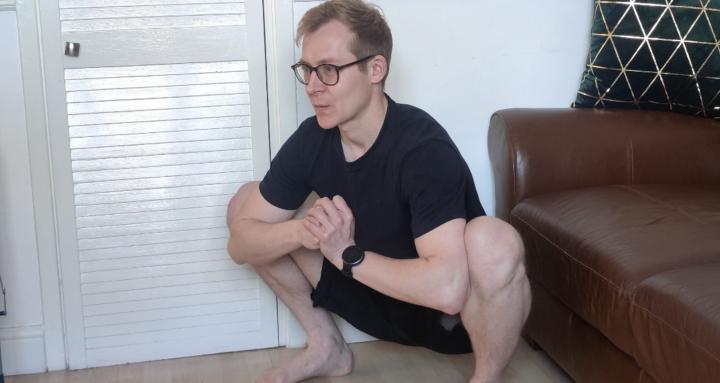
DEEP ASIAN PRIMAL SITTING, often referring to a DEEP SQUAT or SEATED POSITION common in TRADITIONAL ASIAN CULTURES, can have several benefits for posture and pain management. However, it also depends on individual health and flexibility.
**Potential Benefits:**
- **Improved Posture:** Sitting in a deep squat encourages a natural spinal alignment and can strengthen core muscles.
- **Enhanced Flexibility:** Regular practice can increase flexibility in hips, knees, and ankles.
- **Pain Relief:** It may reduce lower back and hip pain by promoting better joint mobility and reducing stiffness.
- **Better Digestion:** Some believe it aids digestion due to the natural position of the body.
**Precautions:**
- People with knee, hip, or ankle issues should consult a healthcare professional before practicing deep squats.
- Start gradually to avoid strain or injury.
**Recommendation:**
Incorporating this sitting position into your routine can potentially improve posture and reduce certain types of pain if done correctly and safely.
### How to Safely Practice Deep Squat Sitting:
1. **Warm Up First:**
- Do some light stretching or movement exercises to prepare your muscles and joints.
- Focus on hips, knees, ankles, and lower back.
2. **Start Gradually:**
- If you're new to deep squatting, begin with a shallow squat and gradually deepen over time.
- Use a support like a chair or a wall if needed for balance.
3. **Proper Technique:**
- Stand with feet shoulder-width apart or slightly wider.
- Keep your toes slightly pointed outward.
- Bend at your hips and knees, lowering your body slowly.
- Keep your heels flat on the ground. If your heels lift, place a small weight or rolled towel under them.
- Maintain a straight or slightly arched back.
- Keep your chest up and shoulders relaxed.
- Position your hands in front of you or place them on your knees for balance.
4. **Hold the Position:**
- Start by holding the squat for 10-15 seconds.
- Breathe deeply and evenly.
- Gradually increase the duration as your flexibility and strength improve.
5. **Come Out of the Squat Slowly:**
- Rise back up slowly to avoid strain.
- Engage core muscles for stability.
6. **Frequency:**
- Practice 2-3 times a week.
- Listen to your body and avoid pushing into pain.
7. **Stretch Afterward:**
- Stretch your hips, hamstrings, calves, and lower back to maintain flexibility.
Benefit #2 :
**Enhances Mobility and Flexibility:** Good posture supports better alignment, which can improve mobility, making it easier to perform everyday movements and maintain independence as you age.
As we age, our muscles and joints can become stiffer, making everyday movements feel more challenging. Practicing good posture plays a crucial role in supporting proper alignment of your spine and body. When your posture is correct, it helps keep your muscles and joints in the right position, reducing unnecessary strain and stiffness.
This improved alignment allows you to move more freely and comfortably, whether you're bending to pick something up, reaching for an object, or simply walking. By maintaining good posture, you can preserve your range of motion and flexibility, which are essential for staying active and independent.
Ultimately, supporting your posture is a simple yet powerful way to help you stay mobile longer, enjoy daily activities without discomfort, and maintain your independence as you age gracefully.
Benefit #3 :
**Supports Better Breathing and Circulation:** Proper posture allows the lungs and heart to function more efficiently, promoting overall health and stamina.
As we age, our overall health and energy levels become even more important to maintain our independence and quality of life. One simple but powerful way to support your health is by paying attention to your posture. When you sit or stand with good posture, it allows your lungs to expand fully, making it easier to breathe deeply. This means more oxygen gets into your blood, helping your body function more efficiently.
Poor posture, such as slouching or hunching over, can compress your chest and restrict your breathing. Over time, this can lead to feeling more tired, short of breath, or lacking the stamina needed for daily activities. Correct posture opens up your chest cavity, giving your lungs room to do their job properly. This not only makes breathing easier but also improves circulation—your blood can carry oxygen and nutrients more effectively to your muscles, organs, and brain.
Better circulation and breathing can have a positive impact on your overall health, energy, and mood. When your body gets enough oxygen, you feel more alert, active, and capable of enjoying your favorite activities. Improved posture also promotes better heart health by reducing strain on your cardiovascular system.
Incorporating simple posture habits into your daily routine can help you breathe easier, stay energized, and boost your stamina. Whether you're walking, gardening, or doing household chores, good posture supports your body’s vital functions, helping you feel healthier and more vibrant every day.
0
0 comments
Practice good posture to prevent back and neck pain.
skool.com/sungazing-earthing-health-4467
How sungazing, earthing, deep squatting, Manifestation done correctly, can change your health. Speaking words of health over your organs everyday
Powered by