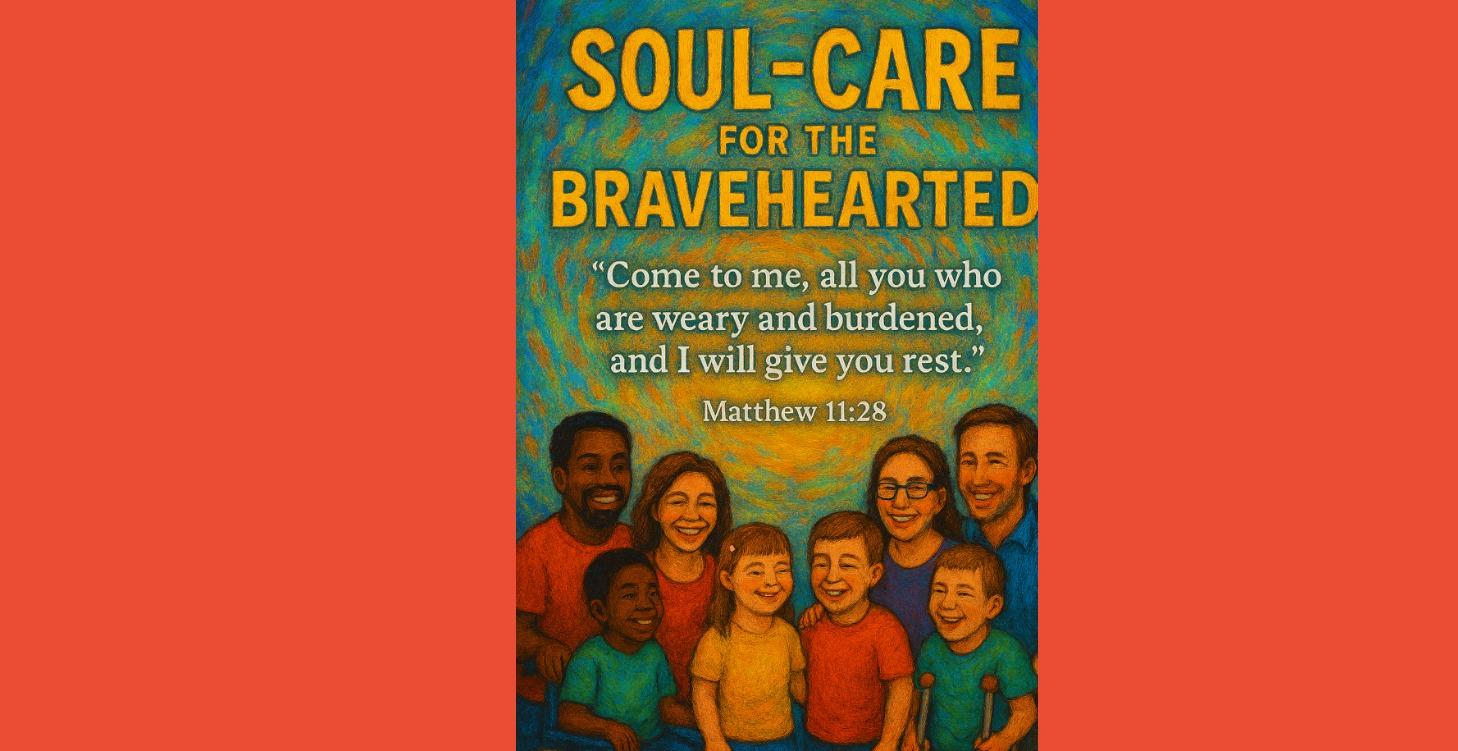
Soul Care Teaching: Restoring the Parent Role
Soul Care Teaching centers on helping parents nourish the parts of themselves that often go unseen—your mind, your spirit, your emotional well‑being—so you can show up whole for the people who depend on you.
🌿 Soul Care Teaching
Soul care is the practice of tending to your inner life with intention. It’s learning to pause, breathe, and reconnect with the parts of you that get buried under responsibility, stress, and constant caregiving. This teaching guides parents to create space for rest.
0%
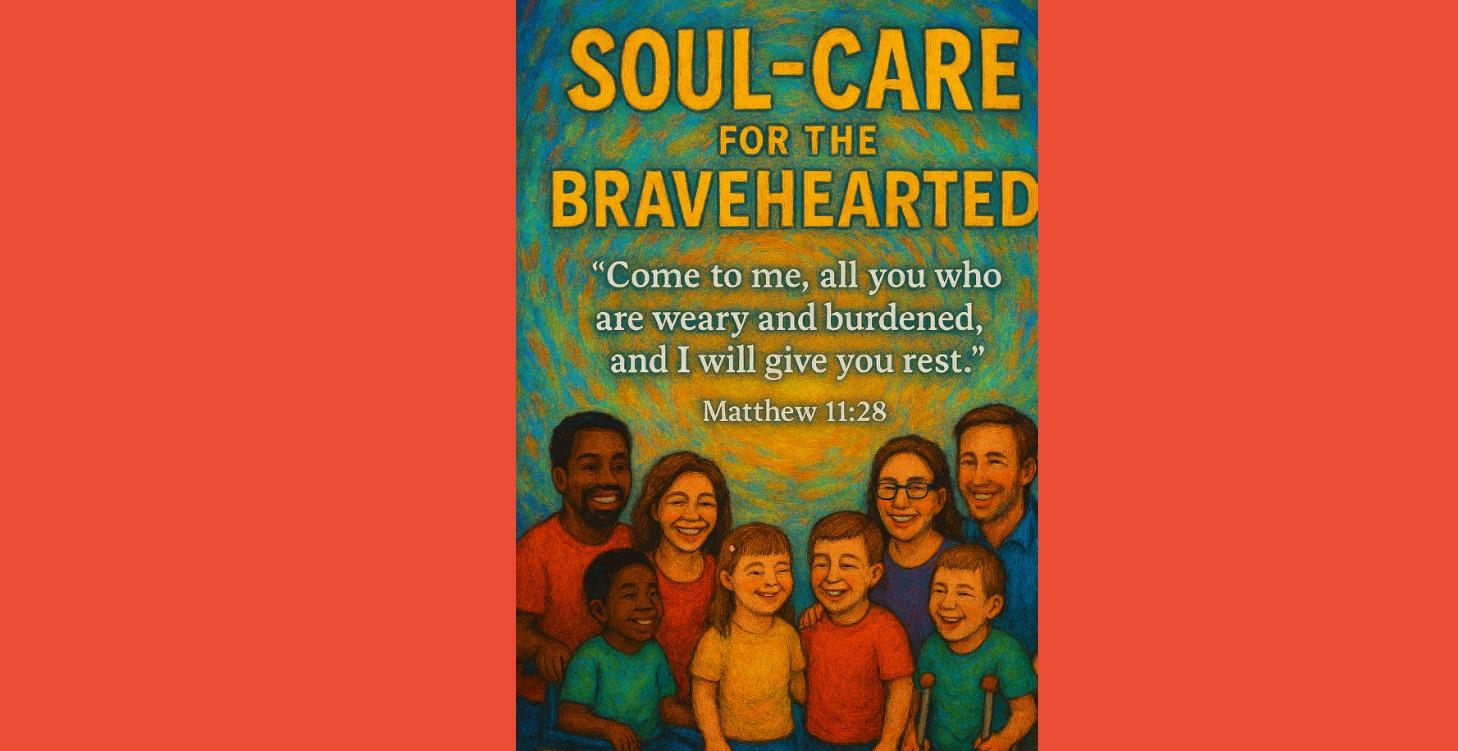
Soul Care Teaching: Reflection Prompt
Scripture Anchor:
“Because of the Lord’s great love we are not consumed, for his compassions never fail.
They are new every morning; great is your faithfulness.” — Lamentations 3:22–23
Reflection Prompt:
What part of your soul feels unseen right now?
What would restoration look like if you gave yourself permission to receive it?
0%
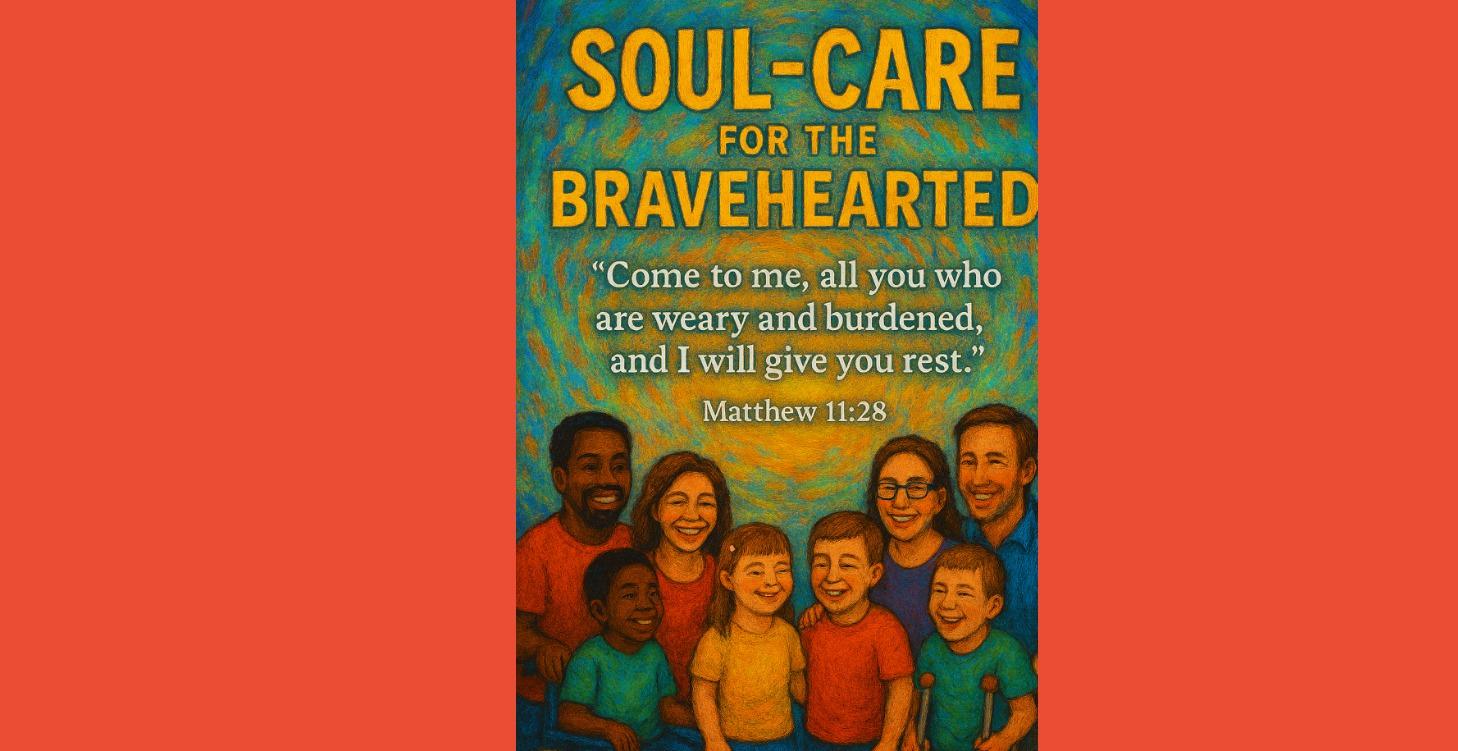
Soul Care Teaching: Soul Care practice
Soul-Care Practice:
Place your hand over your heart.
Breathe in slowly and say: “I am worthy of rest.”
Breathe out and say: “God’s mercy meets me here.”
Affirmation:
I am not just surviving—I am being restored.
0%
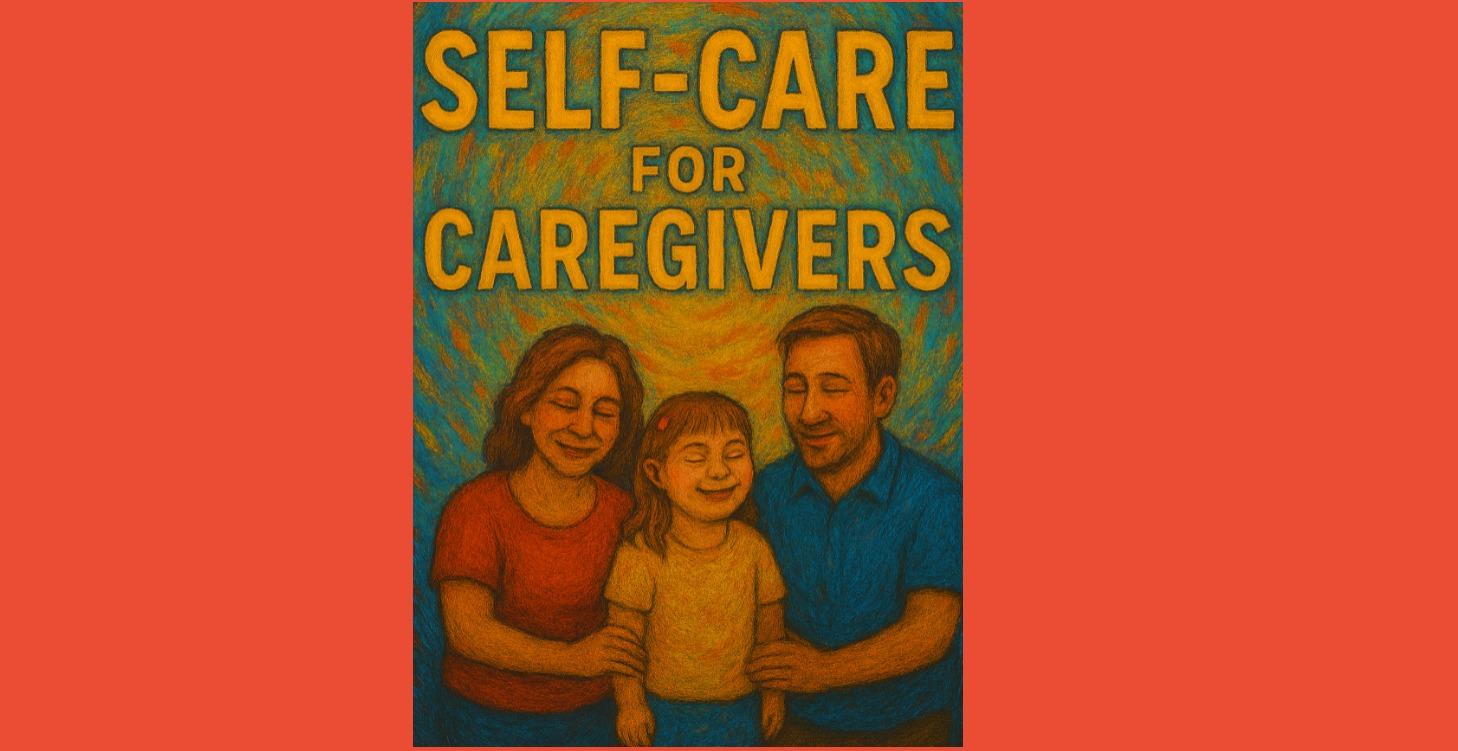
SELF- CARE EMPOWERMENT PRACTICES
Emotional Renewal
Name your feelings: Journaling or speaking to them aloud helps release emotional weight.
Create a sacred space: A corner with candles, music, or scripture just for you
Connect with others: Join a support group or talk to someone who truly listens
Laugh intentionally: Watch something funny or share a light moment—it’s healing.
Stretch and breathe: Even 5 minutes can reset your nervous system.
Start your day with prayer or meditation: Invite peace before the chaos.
0%
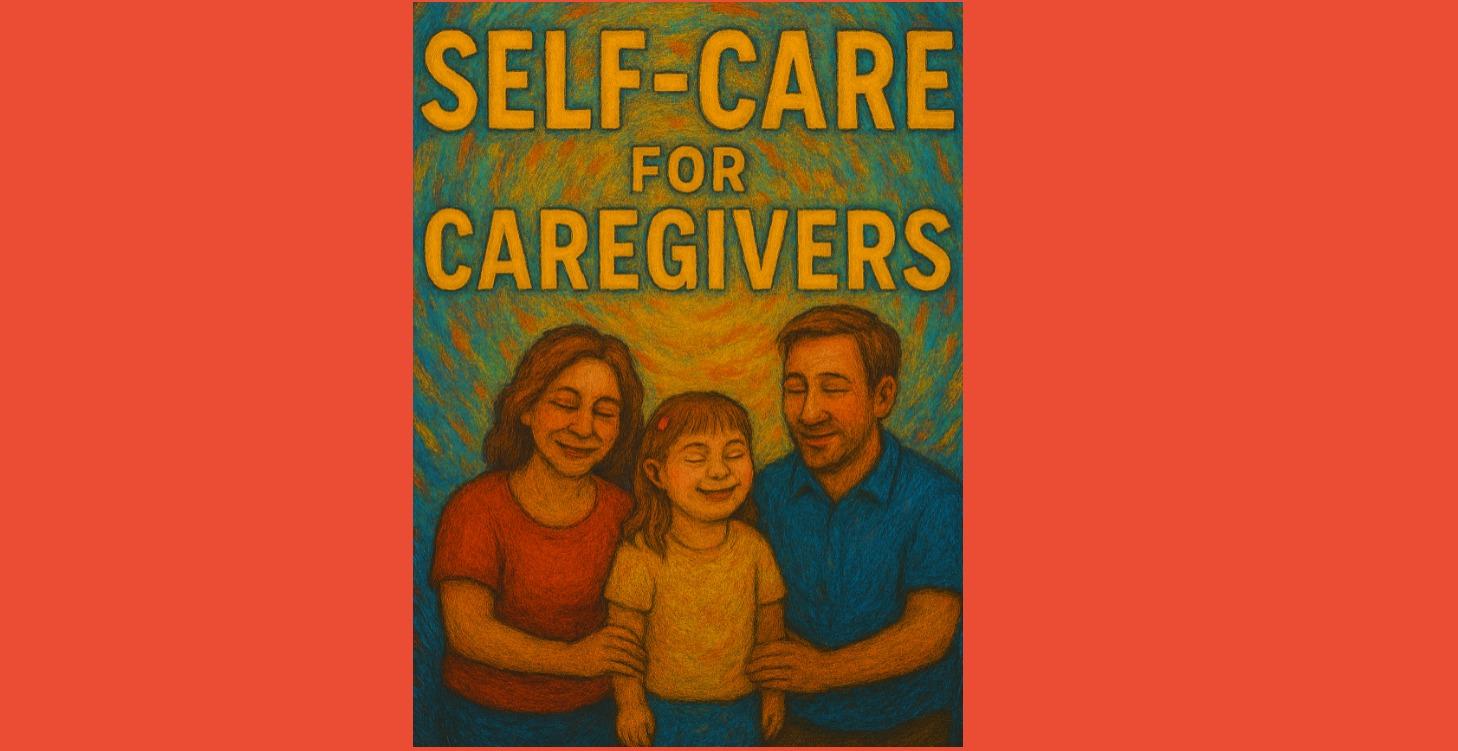
SELF- CARE :Calming the Mind Practices
The 60‑Second Reset
Close your eyes.
Inhale slowly… exhale even slower.
Let your shoulders drop.
Tell your mind: “I am safe in this moment.”
2. Thought‑Clearing Breath
Imagine your inhale gathering the clutter in your mind.
Imagine your exhale releasing it like smoke drifting away.
Repeat 5 times.
3. Sensory Grounding
Name:
3 things you can see
2 things you can touch
1 thing you can hear
This brings your mind back into your body.
4. Gentle Mantra Focus
0%
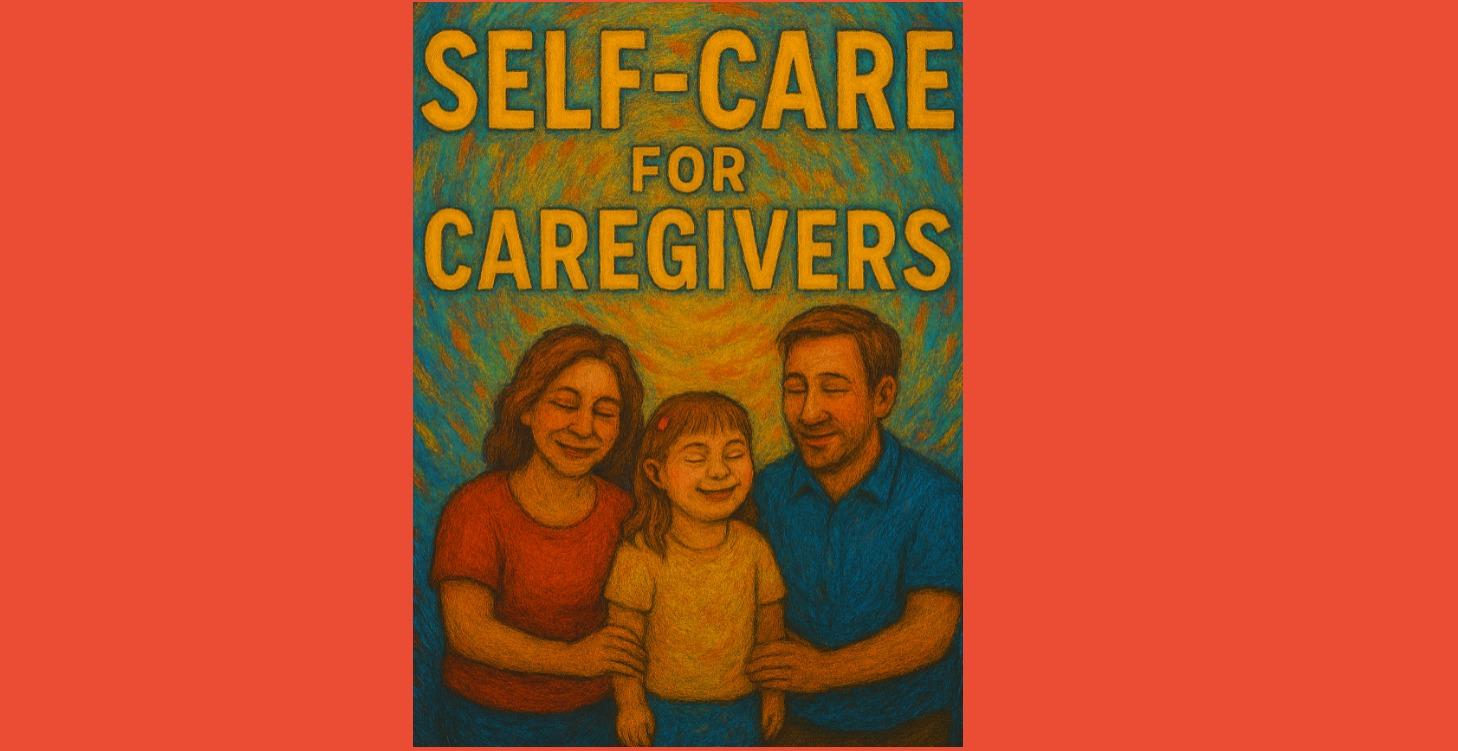
SELF- CARE : Morning Grounding
Begin with 3 deep breaths.
I am more than my responsibilities—I am a whole person.
Speak an affirmation: “I am held. I am guided. I am enough.”
My strength is sacred, and my softness is allowed.
Stretch gently or sip something warm with intention.I am worthy of rest, compassion, and care.
God’s grace meets me exactly where I am.
I release what I cannot carry alone.
I release what I cannot carry alone.
0%
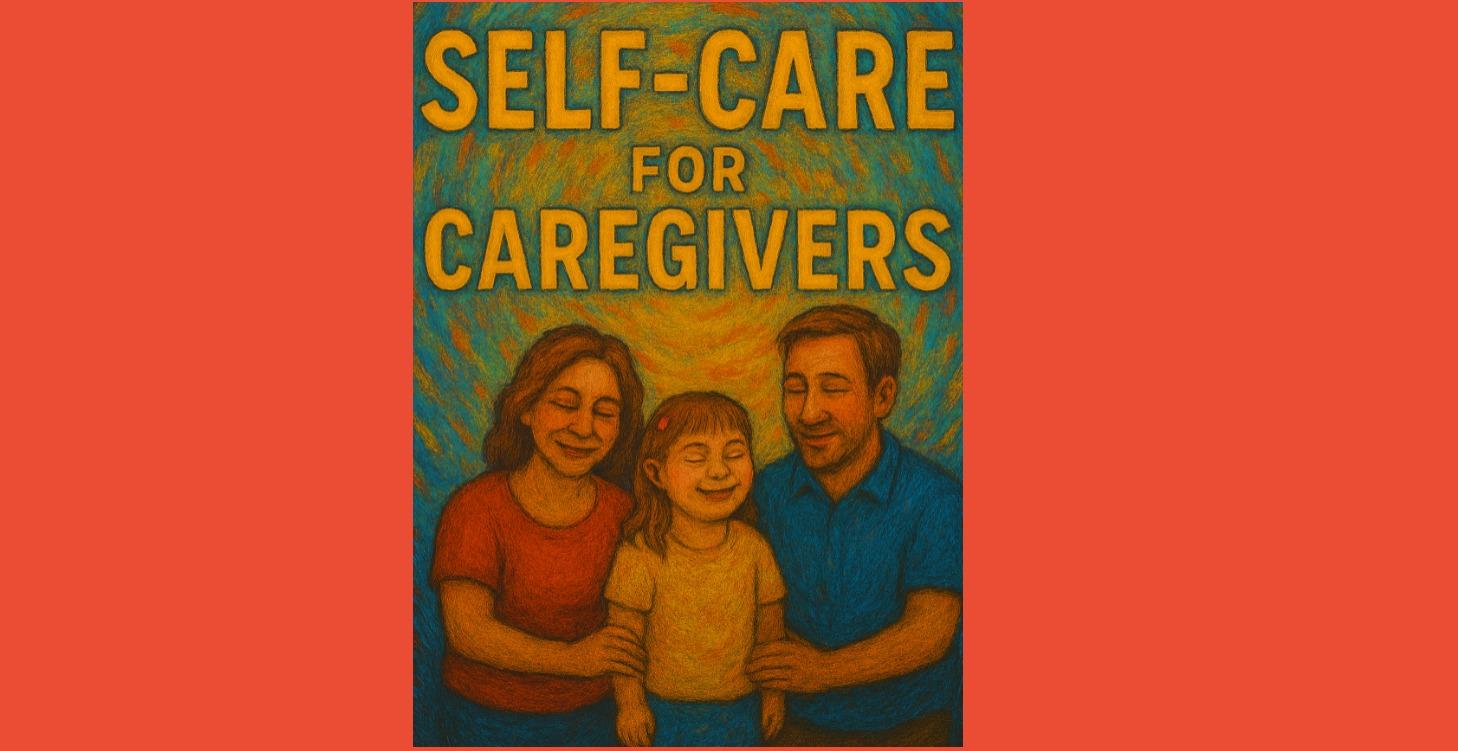
SELF- CARE: Strength + Identity
I am more than my responsibilities—I am a whole person.
My strength is sacred, and my softness is allowed
I honor my limits without guilt.
PRAYER:
God, remind me today who I am in You.
Strengthen the parts of me that feel tired and lift the places that feel unseen.
Help me remember that I am more than my responsibilities—
I am Your child, created with purpose, dignity, and worth.
Fill me with courage, soften me with grace,
0%

MEDIATATION AND BREATH-WORK PRACITICES
Breathwork Practices
Box Breathing: Inhale for 4 counts → Hold for 4 → Exhale for 4 → Hold for 4. Repeat 4–6 cycles.
Use when feeling overwhelmed or overstimulated.
4-7-8 Breathing: Inhale for 4 → Hold for 7 → Exhale for 8.
Great for winding down before sleep or releasing tension.
Heart-Centered Breathing: Place your hand over your heart. Inhale deeply and imagine breathing into your heart space. Exhale slowly with gratitude.
0%

MEDIATATION : What Is Meditation?
Meditation is a gentle practice of slowing down your mind, quieting internal noise, and becoming present in your body and spirit.
It’s not about “emptying your mind”—it’s about creating space to breathe, notice, and reconnect with God, peace, and yourself.
Meditation can look like:
Sitting quietly and focusing on your breath
Repeating a calming phrase or scripture
Visualizing a peaceful place
Listening to soft music or guided reflection
Simply being still for a few moments
0%
EMOTIONAL BALANCE PRACTICES
The Pause & Name Practice
Stop for 10 seconds.
Name what you feel: “I’m overwhelmed… I’m tired… I’m grateful… I’m frustrated.”
2. The 3‑Breath Reset
Breath 1: Release tension in your body.
Breath 2: Release the thoughts crowding your mind.
Breath 3: Invite peace, strength, or God’s presence.
This is a quick nervous‑system reset you can use anywhere.
3. Emotional Check‑In Journal
What drained me today?
What lifted me today?
What do I need right now?
0%
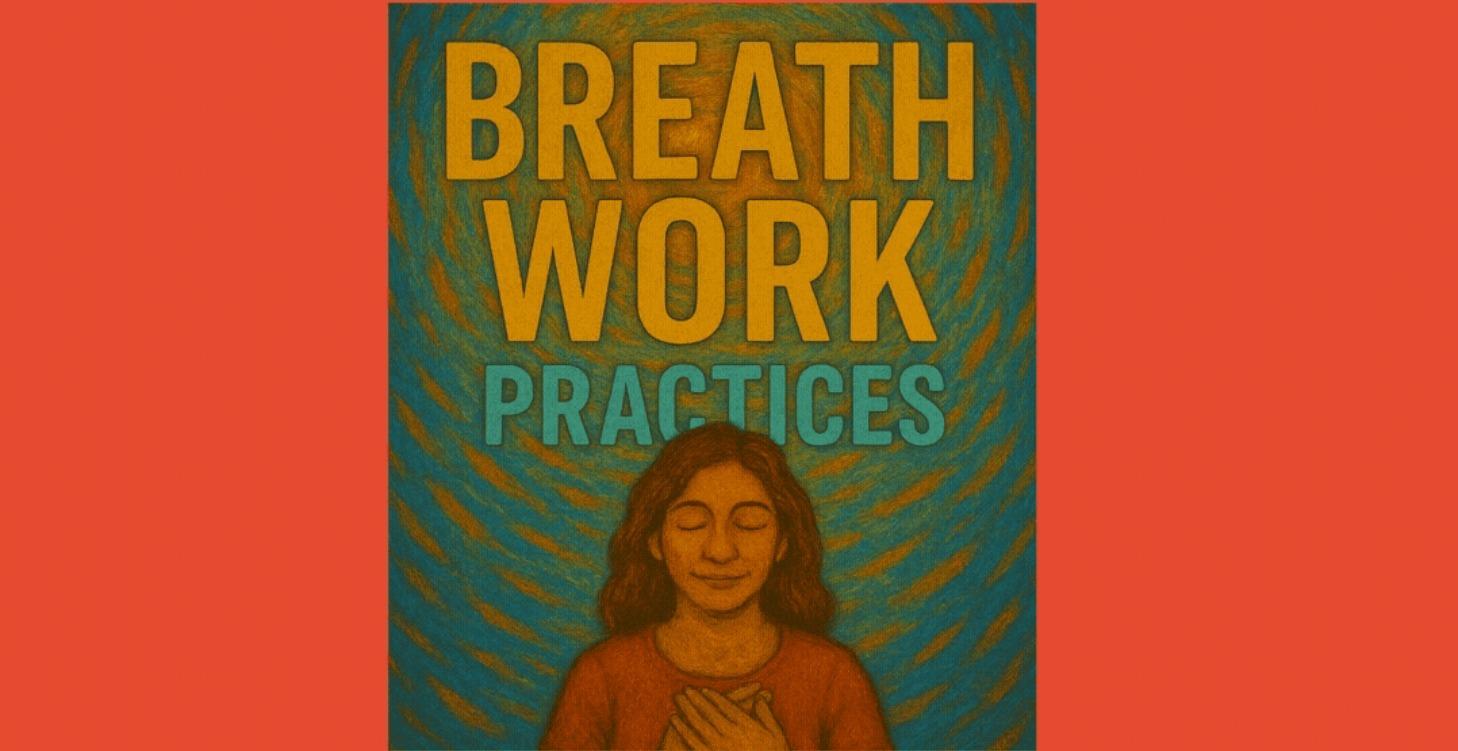
WHAT IS BREATH WORK?
Breathwork is the intentional practice of using your breath to calm your mind, regulate your emotions, and restore balance in your body.
It’s a simple, powerful tool that helps shift you out of stress and into a place of peace.
Breathwork can look like:
Slow, deep breathing
Counting your inhales and exhales
Heart‑centered breathing
Rhythmic or patterned breathing
Gentle pauses between breaths
It’s a way of telling your body:
“You are safe. You can soften. You can rest.”
0%

Building Emotional Resilience in Your Child
Teaching emotional regulation through breathwork, naming feelings, and safe expression.
Modeling calm and compassion during meltdowns or transitions.
Naming Feelings Together
When your child is upset, you gently say:
“Your face looks tight… are you feeling frustrated?”
Then offer choices: frustrated, sad, overwhelmed, tired, excited.
This teaches emotional awareness and gives them language for what’s happening inside
0%
1-12 of 12