
Write something
Pinned

Jun 17 •
📌 START HERE - Welcome to the Community
Welcome to the Small Business Bookkeeping Hub! I'm Sandor, owner of Simon Bookkeeping. This community is mainly for small business owners, startups, and self-employed professionals who want to better understand their bookkeeping, QuickBooks, reports, and everyday financial organization. Whether you're doing your own bookkeeping, using QuickBooks, or thinking about hiring help, you're welcome here. You do not need to be an accounting expert here. The goal is simple: ask questions, learn the basics, and avoid common bookkeeping mistakes before they become expensive problems. This week, I’ll be sharing simple tips about keeping business and personal expenses separate, reading basic reports, and staying organized before tax time. If you own a business or are planning to start one, feel free to introduce yourself and tell us what kind of business you have.

Pinned
Jul 6 •
📊 WELCOME POLL - What best describes you?
A. I own a small business B. I am planning to start a business C. I use QuickBooks D. I am just here to learn E. Other
Poll
8 members have voted
Pinned
Jun 17 •
📚 RESOURCE - Free Bookkeeping Guide
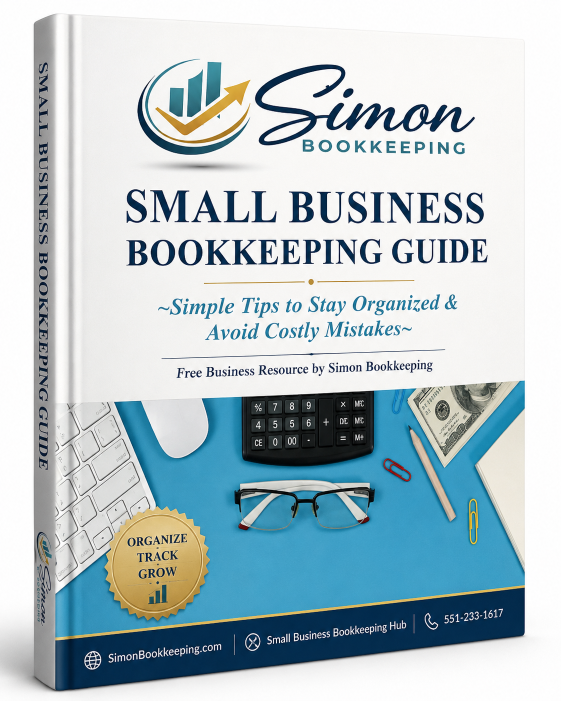
Download: Small Business Bookkeeping Guide - Simple Tips to Stay Organized & Avoid Costly Mistakes Inside you'll learn: ✔ Basic bookkeeping habits ✔ Common mistakes to avoid ✔ How to stay organized year-round ✔ Tax-time preparation tips Get the Guide Here: https://forms.gle/9xrC7Ge3PfjhhwxFA

13d •
Intro
Hello everyone, I am Julia Tameklo I am new to bookkeeping and I am hoping to learn more from you guys here. Thank you...
7d •
📊 Your Business Has $4,000 in the Bank. Is It Doing Well?
That sounds reassuring—but what if the business also owes $6,000? Your bank balance tells you only part of the story. That’s where a Balance Sheet helps. It shows three things on a particular date: 💰 What your business owns: Cash, money customers owe you, equipment, and other assets. 🧾 What your business owes: Unpaid bills, credit card balances, and loans. 🏠 Your equity: The difference between what the business owns and what it owes. Here’s a simple example: Your business has: • $4,000 in the bank • $2,000 owed by customers • $3,000 in equipment, as recorded in your books That’s $9,000 in total assets. It also owes: • $1,000 in unpaid bills • $5,000 on a business loan That’s $6,000 in total debts. $9,000 − $6,000 = $3,000 in equity. That $3,000 isn’t extra cash you can withdraw. Some of it is tied up in equipment and money customers haven’t paid yet. Your Profit & Loss report shows whether you made a profit over a period of time. Your Balance Sheet shows where the business stands on a particular day. One useful habit: review both together each month. You’ll get a much clearer picture than your bank balance alone can give you.
1
0
1-30 of 62
powered by
skool.com/small-business-bookkeeping-hub-9336
This free community is for small business owners, freelancers, and startups who want to better understand their bookkeeping and finances.
Suggested communities
Powered by