
Write something

🔥
14h •
One Connection. Two Species. One Powerful Message
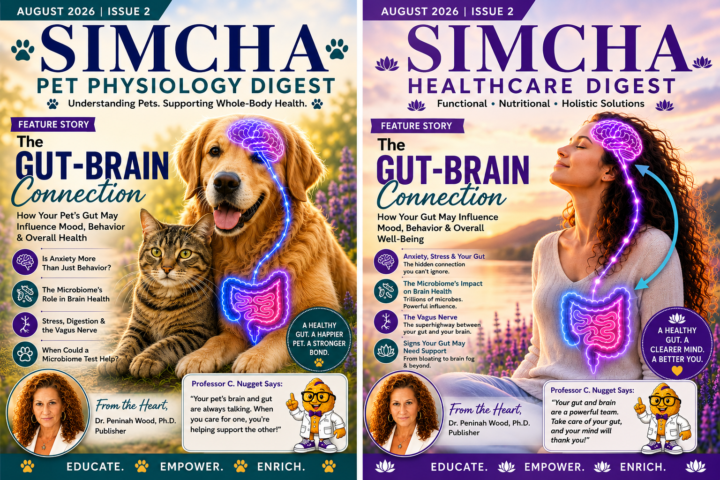
HAPPY FRIDAY! Did you know that one of the most fascinating areas of health research today is something both humans and animals have in common? It's called the gut-brain connection. The gut and brain are in constant communication through the nervous system, hormones, immune signals, and the trillions of microbes living in the digestive tract. Researchers continue to explore how gut health influences digestion, brain function, immune function, mood, behavior, and overall well-being in both people and pets. More than 2,000 years ago, Hippocrates, the Father of Medicine, is credited with saying: "All disease begins in the gut." Today's research increasingly highlights the central role the gut plays in diseases, mental health, overall health and why maintaining a healthy gut is so important. That's why our August issues are dedicated to this incredible topic! Simcha Healthcare Digest: Feature Story:The Gut-Brain Connection: How Your Gut May Influence Mood, Behavior & Overall Well-Being. Simcha Pet Physiology Digest: Feature Story:The Gut-Brain Connection: How Your Pet's Gut May Influence Mood, Behavior & Overall Health. Whether you have two legs or four, understanding the gut-brain connection may change the way you think about health forever. Would you like to be featured in the upcoming issue? I'm looking for health professionals, veterinarians, businesses, innovators, nonprofits, animal rescues, animal trainers, community leaders, and inspiring individuals who are making a difference. Whether you'd like to share your expertise, highlight your organization, spotlight your community, advertise your products or services, or tell your story, I'd love to hear from you. Coming this August! Two magazines. One powerful message. Educate. Empower. Enrich.
🔥
3d •
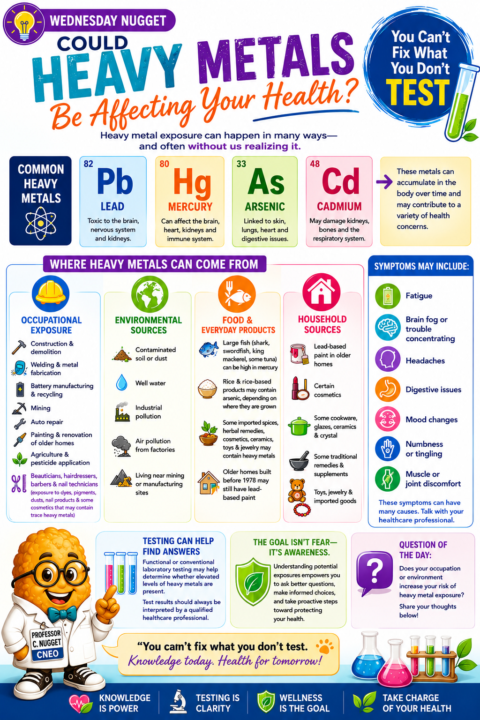
Wednesday Nugget: Could Heavy Metals Be Affecting Your Health?
When people think of heavy metal exposure, they often imagine a factory or contaminated water. But the truth is, exposure can happen in many ways, and often without us realizing it. Common heavy metals include lead, mercury, arsenic, and cadmium, and they may come from: Occupational Exposure - Construction and demolition - Welding and metal fabrication - Battery manufacturing and recycling - Mining - Auto repair - Painting and renovation of older homes - Agriculture and pesticide application - Beauticians, hairdressers, barbers, and nail technicians, who may have repeated exposure to certain hair dyes, pigments, dusts, nail products, and some cosmetics that can contain trace amounts of heavy metals or other potentially harmful chemicals Environmental Sources - Contaminated soil or dust - Well water - Industrial pollution - Air pollution from factories - Living near mining or manufacturing sites Food & Everyday Products - Large fish (such as shark, swordfish, king mackerel, and some tuna) can contain higher levels of mercury. - Rice and rice-based products may contain arsenic, depending on where they are grown. - Some imported spices, herbal remedies, cosmetics, ceramics, toys, and jewelry have been found to contain heavy metals. - Older homes built before 1978 may still contain lead-based paint. Heavy metal exposure doesn't always cause obvious symptoms, but in some people it may contribute to: - Fatigue - Brain fog - Headaches - Digestive issues - Mood changes - Numbness or tingling - Muscle or joint discomfort These symptoms can have many different causes, so it's important not to assume heavy metals are the reason. However, if you have ongoing unexplained symptoms or known exposure risks, functional or conventional laboratory testing may help determine whether elevated levels are present. Test results should always be interpreted by a qualified healthcare professional within the context of your overall health.
🔥
2d •
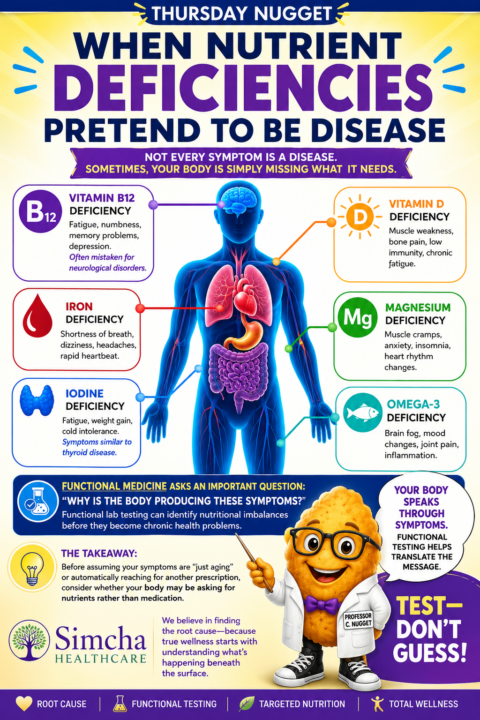
Thursday Nugget - Could It Be a Disease or a Nutrient Deficiency?
Not every symptom is caused by a disease. Sometimes, your body is simply missing the nutrients it needs to function properly. - Nutrient deficiencies can mimic serious health conditions: - Vitamin B12 deficiency = Fatigue, numbness, memory problems, depression (often mistaken for neurological disorders) - Vitamin D deficiency = Muscle weakness, bone pain, low immunity, chronic fatigue - Iron deficiency = Shortness of breath, dizziness, headaches, rapid heartbeat - Magnesium deficiency = Muscle cramps, anxiety, insomnia, heart rhythm changes - Iodine deficiency = Fatigue, weight gain, cold intolerance (symptoms similar to thyroid disease) - Omega-3 deficiency = Brain fog, mood changes, inflammation Functional medicine asks an important question: "Why is the body producing these symptoms?" Instead of simply treating symptoms, functional lab testing can help identify nutritional imbalances before they become chronic health problems. The takeaway: Before assuming your symptoms are "just aging" or automatically reaching for another prescription, consider whether your body may be asking for nutrients rather than medication. At Simcha Healthcare, we believe in finding the root cause, because true wellness starts with understanding what's happening beneath the surface. Professor C. Nugget's Wisdom: "Your body speaks through symptoms. Functional testing helps translate the message."
🔥
3d •
Tuesday Nugget: Your Community Could Be Our Next Big Feature!
The August editions of our magazines are now in production, and this is your opportunity to be part of something special! Simcha Healthcare Digest and Simcha Pet Physiology Digest are looking for: Community Spotlight - Tell us about your Skool community and what makes it unique. Member Spotlight - Know someone making a difference? We want to share their story. Pet of the Month - Show off your amazing dog, cat, horse, rabbit, bird, or other beloved companion. Community Advertising - Promote your Skool community, business, products, services, events, books, or special offers to our growing audience. Whether you're building a thriving community, celebrating an incredible member, or simply want the world to meet your four-legged (or feathered!) best friend, we'd love to feature you. Together, let's celebrate the people, pets, and communities that inspire us every day. Interested in being featured or advertising? Send me a message today! Space in our August issues is limited, and I'd love to showcase YOU. Asha Hope was our July featured Skool member. Read his story and his journey.
1
0

🔥
5d •
Monday Nugget - Myth Monday
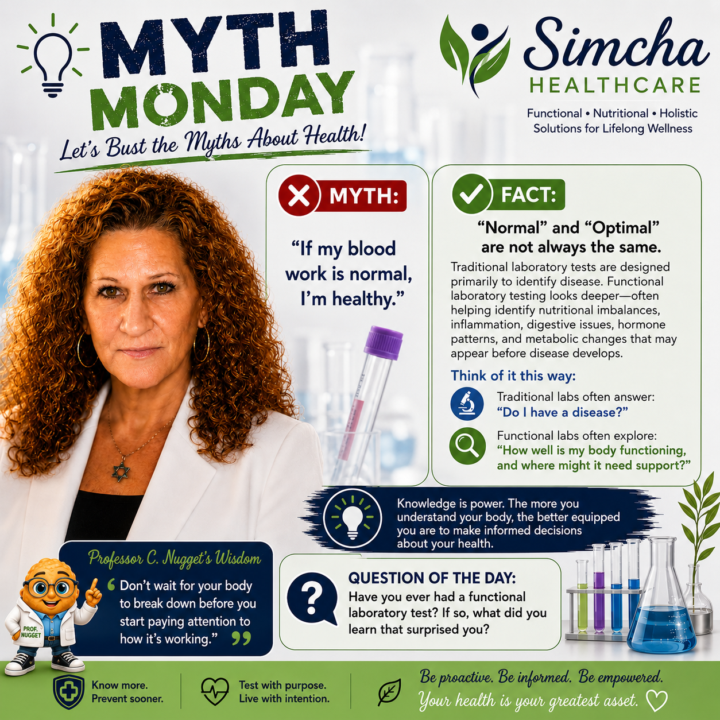
MYTH: "If my blood work is normal, I'm healthy." FACT: "Normal" and "optimal" are not always the same thing. Traditional laboratory tests are designed primarily to identify disease. Functional laboratory testing looks deeper, often helping identify nutritional imbalances, inflammation, digestive issues, hormone patterns, and metabolic changes that may appear before disease develops. Functional laboratory testing is about looking for the root cause. Functional testing is more advanced, and it is tests that your physician won't order and insurance won't pay for. Think of it this way: Traditional labs often answer: "Do I have a disease?" Functional labs ask: "How well is my body functioning, and what is the root cause of that disease? Knowledge is power. The more you understand your body, the better equipped you are to make informed decisions about your health. Professor C. Nugget's Wisdom: "Don't wait for your body to break down before you start paying attention to how it's working."
1-24 of 24

skool.com/simcha-healthcare-3222
Helping people optimize health, energy, mindset, and wellness by addressing root causes through Functional, Nutritional and Holistic Medicine.
Leaderboard (30-day)
1

🔥
+62
2

+29
3

🔥
+18
4

+10
5

+7
Powered by