
Jan 5 (edited) • General discussion
Microbiome Monday - The Gut-Brain Connection
I spoke on this topic at the 11:11 Summit in the Growth Squad Heroes Community. It is a serious topic, and one that traditional medicine does not want to talk about. As you read through this, I hope you will see, and understand, why traditional medicine wants to avoid this topic.
The gut-brain connection is a two-way communication system linking your digestive tract and your brain, through nerves, hormones, immune signals, and even microbial metabolites. It’s not just metaphor, it’s molecular, electrical, and emotional.
The Biology of the Gut-Brain Connection:
1. The Enteric Nervous System (ENS): Your “Second Brain”
• The ENS is a vast network of over 100 million neurons embedded in the walls of your gut.
• It controls digestion independently, but also communicates with your central nervous system (CNS).
• This “second brain” doesn’t think, but it feels, and it can influence mood, pain, and behavior.
Metaphor: Your gut is a backstage crew, quietly running the show while the brain takes the spotlight.
Ritual Prompt: “What is your gut telling you today?” Try a 3-minute “gut check” meditation before meals. Place a hand on your belly and ask: “What do I need to digest, physically or emotionally?”
2. The Vagus Nerve: The Superhighway
• The vagus nerve is the main communication line between your gut and brain.
• It carries signals in both directions, gut to brain and brain to gut.
• When you feel “butterflies” or “gut-wrenching” stress, that’s vagus nerve traffic in action.
• It carries 80% of its signals from the body to the brain.
• It regulates parasympathetic (rest-and-digest) functions and modulates inflammation.
Metaphor: It’s your body’s fiber-optic line for intuition, safety, and calm.
Ritual Prompt: “Tone the Vagus” Try humming, gargling, or chanting before meals to activate vagal tone. Or take a “vagus walk," slow, rhythmic, and breath-led.
3. Microbial Messengers: Your Gut Bugs Talk Back
• Gut microbes produce neurotransmitters like serotonin (90% of it), dopamine, and GABA.
• They also generate short-chain fatty acids (SCFAs) like butyrate, which reduce inflammation and influence brain function.
• Microbial metabolites can cross the gut barrier, enter the bloodstream, and affect the brain’s chemistry and immune response.
• Dysbiosis (microbial imbalance) is linked to anxiety, depression, and cognitive decline.
Metaphor: Your microbes are mood DJs, spinning chemical tracks that shape your emotional playlist.
Ritual Prompt: “Feed the DJs” Start a weekly “microbial meal” ritual: fermented foods, fiber-rich plants, and polyphenols. Bless your bugs before eating: “To the unseen ones who remix my mood, thank you.”
4. Immune and Hormonal Crosstalk
• The gut houses 70% of your immune system. Cytokines and immune cells from the gut can influence brain inflammation and mood.
• Hormones like cortisol (stress), ghrelin (hunger), and leptin (satiety) are regulated by gut-brain signals, affecting appetite, anxiety, and energy.
• Gut microbes train immune cells, regulate inflammation, and influence autoimmune risk.
Metaphor: Your gut is a diplomatic embassy, negotiating peace treaties between body systems.
Ritual Prompt: “Inflammation Inventory” Each Monday, reflect: What’s inflaming me, physically, emotionally, relationally? Choose one anti-inflammatory act: a boundary, a bitter herb, a breath.
5. Interoception: Feeling from the Inside Out
• The brain uses gut signals to monitor internal states, hunger, fullness, discomfort, safety.
• This internal sensing (interoception) shapes emotions, decision-making, and even social behavior
• It’s linked to emotional awareness, decision-making, and even empathy.
• Trauma and chronic stress can disrupt interoception accuracy.
Metaphor: Your gut is your inner oracle, whispering truths before your mind can name them.
Ritual Prompt: “Tune In Before You Reach Out." Before making a decision or responding to conflict, pause and ask: “What is my gut saying?” Journal or voice-note the answer.
Why It Matters
• Disruptions in gut-brain communication are linked to anxiety, depression, IBS, Parkinson’s, and other cognitive symptoms.
• Healing the gut can support mental health, and vice versa. Practices like breath work, fermented foods, fiber diversity, and stress reduction all help.
Leaky gut, also known as increased intestinal permeability, has been linked to a wide range of chronic conditions, particularly those involving inflammation, autoimmunity, and metabolic dysfunction.
Chronic Conditions Linked to Leaky Gut:
- Autoimmune Disorders
- Rheumatoid arthritis, Type 1 diabetes, Lupus, Multiple sclerosis, Hashimoto’s
- Leaky gut may allow undigested food particles and microbial toxins into the bloodstream, triggering immune confusion and self-attack.
2. Digestive Disorders
- Crohn’s disease, Ulcerative colitis, Celiac disease, IBS
- Gut barrier dysfunction is both a cause and consequence of chronic inflammation in the GI tract.
3. Neurological & Mood Disorders
- Depression, Anxiety, Brain fog, Parkinson’s, Dementia
- Microbial imbalance and gut-derived inflammation may disrupt neurotransmitter production and brain signaling.
4. Skin Conditions
- Eczema, Psoriasis, Acne, Rosacea, Atopic dermatitis
- Inflammatory molecules from the gut may enter circulation and trigger skin flare-ups
5. Metabolic Disorders
- Obesity, Type 2 diabetes, Insulin resistance
- Leaky gut may lead to metabolic endotoxemia, low-grade inflammation, and disrupted glucose regulation
6. Chronic Fatigue & Fibromyalgia
- Chronic fatigue syndrome, Fibromyalgia
- Systemic inflammation and immune dysregulation from gut permeability may contribute to fatigue and pain syndromes
7. Allergies & Food Sensitivities
- Seasonal allergies, food intolerances
- A compromised gut lining may allow allergens to enter the bloodstream, heightening immune reactivity.
The Inflammatory Cascade:
When the gut lining becomes permeable:
- Toxins, microbes, and undigested food particles leak into the bloodstream.
- This triggers immune activation and systemic inflammation.
- Over time, this can lead to chronic disease, especially in genetically or environmentally susceptible individuals.
Ritual Response: “Seal the Leaks”
- Remove: Inflammatory foods (e.g., sugar, alcohol, ultra-processed foods).
- Replace: Digestive support (enzymes, bitters).
- Reinoculate: Probiotics and fermented foods.
- Repair: Nutrients like L-glutamine, zinc, collagen, and polyphenols.
- Rebalance: Stress, sleep, and rhythm to support vagal tone and gut-brain harmony.
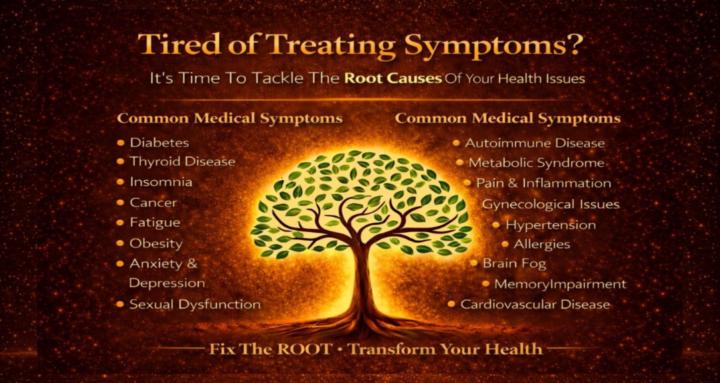
BUT THERE IS A TEST. A test that traditional medicine doesn't/won't offer and insurance will not pay for. I can order that test anywhere in the U.S. or recommend the test to those outside of the U.S.
3
8 comments
Microbiome Monday - The Gut-Brain Connection
skool.com/simcha-healthcare-3222
What happens when your body begins to fail, and no one can tell you why? What happens when you're sick & your doctor tells you everything is normal?
Leaderboard (30-day)
1

🔥
+107
2

+31
3

+11
4

+8
5

+6
Powered by