
4d (edited) • Simcha Science
DAILY SIMCHA SCIENCE - FRIDAY 02/27/26
A double-blind clinical trial published in Endocrine Practice examined what happens when healthy adults with normal thyroid function take kelp supplements for just four weeks. Participants were given either placebo, low-dose kelp, or high-dose kelp. Even in this short time, both low- and high-dose kelp significantly increased TSH levels, showing that excess iodine from kelp can alter thyroid signaling in people without thyroid disease. The rise in TSH was dose-dependent and matched by higher urinary iodine excretion, confirming iodine overload as the driver.
Importantly, these thyroid changes were reversible after stopping kelp, but the study clearly shows that kelp is not a neutral or harmless supplement. High-dose kelp also reduced total T3 levels and exaggerated the thyroid’s response to stimulation, signaling early thyroid stress. The takeaway is simple: iodine from kelp supplements can disrupt thyroid function within weeks, even in healthy people, which is why kelp should not be used casually or daily without medical supervision.
Why professional advice on vitamins and supplements is non‑negotiable
Vitamins and supplements act on real biochemical pathways, and taking them without professional guidance can create problems you never see coming. Many nutrients have narrow safety windows, too little does nothing, but too much can cause toxicity, organ stress, or mask a medical condition that actually needs direct care. Some supplements interact with medications, change how your liver processes drugs, or alter hormone and immune signaling in ways that aren’t obvious until symptoms worsen. Others can hide the early signs of anemia, thyroid issues, infections, or autoimmune conditions, delaying diagnosis and treatment. And because deficiency and excess often look the same, fatigue, irritability, sleep disruption, brain fog, it’s easy to misinterpret your symptoms and choose the wrong supplement entirely. Professional guidance ensures you’re not guessing, stacking risks, or treating the wrong mechanism, and it helps catch situations where persistent or worsening symptoms need medical evaluation rather than more pills. This is why it’s essential to take advice from someone with actual clinical credentials, someone trained to understand interactions, red flags, and when symptoms point to something that needs medical attention rather than more pills.
2
1 comment
DAILY SIMCHA SCIENCE - FRIDAY 02/27/26
skool.com/simcha-healthcare-3222
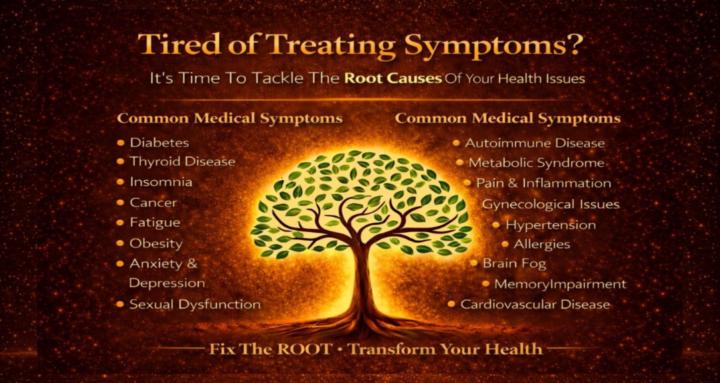
What happens when your body begins to fail, and no one can tell you why? What happens when you're sick & your doctor tells you everything is normal?
Leaderboard (30-day)
1

🔥
+107
2

+31
3

+11
4

+8
5

+6
Powered by