
Write something
Mar 14 •
Sensory Ladders History
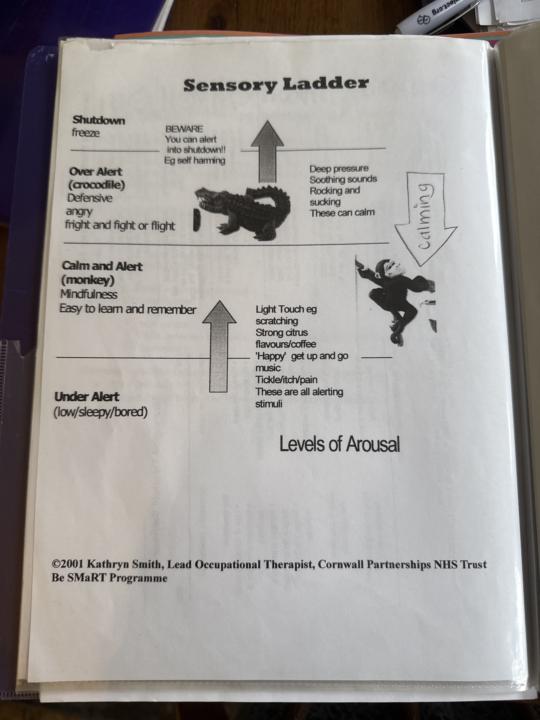
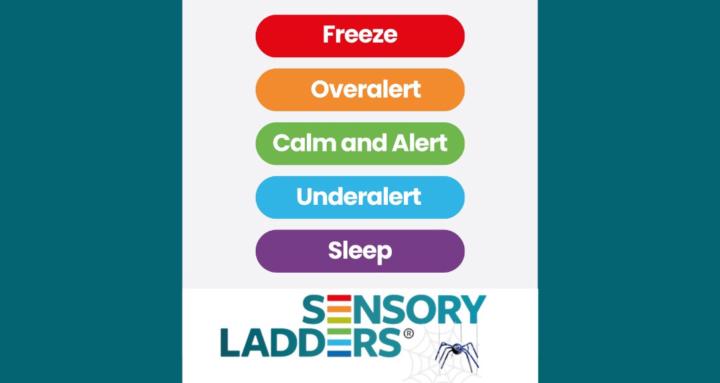
So Sensory Levels became Sensory Ladders in 2001 - in co-production and collaboration with people with sensory differences. Here is one of the earliest versions - complete with a crocodile and monkey!
Mar 25 •
Sensory Ladders® Croatia
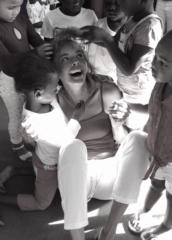
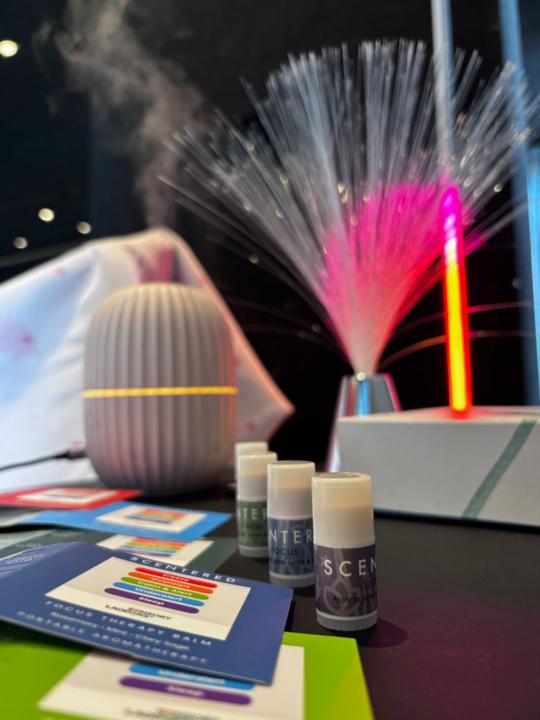
Well done to the Sensory Ladders® Croatian team for your excellent work at the 6th ASK conference on Autism and Mental Health held in Croatia, with guests from all over the world. It was lovely to see you showcasing the Scentered products amongst the other tools to support participants with their sensory regulation. It warms our hearts to know that the participants thought they were the perfect fit. Thank you ☺️ You can find them in our shop: https://sensoryproject.org/product/sensory-ladder-scentered-set/
3
0
Feb 16 •
Innovation, Iteration and Co-production - ISIC Poster
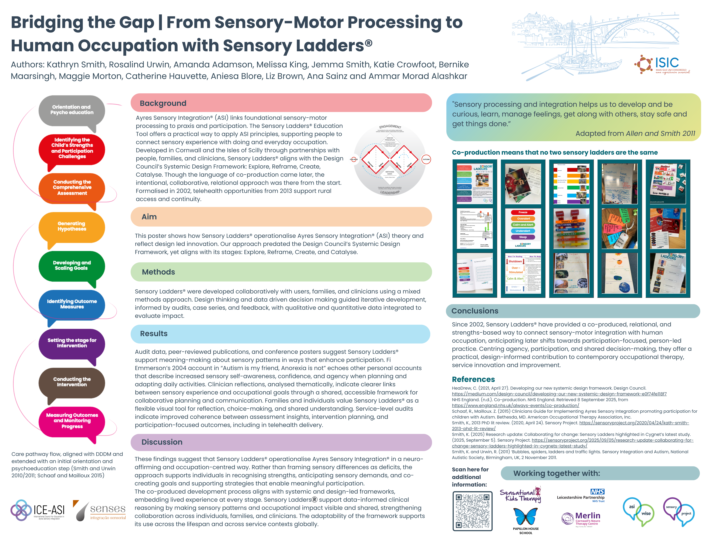
We are sharing our ISIC poster alongside this reflection, because it captures something central to Sensory Ladders®: co production is not a slogan. It is how the work was built, and how it continues to grow. Bridging the Gap | From Sensory Motor Processing to Human Occupation with Sensory Ladders® This is one of the posters presented at ISIC: What we mean by co production There are three living layers to this. 1. The concept itself was co produced. Sensory Ladders®️ did not arrive fully formed. They grew organically in collaboration with people using services, families, and clinicians. In learning disability and mental health services, we needed a way to make sensory experience visible in a way that protected dignity and supported participation. People described what overwhelmed felt like. What underpowered felt like. What helped. What made things worse. We trialled versions together. We changed language when it felt reducing. We refined structure when it felt confusing. The framework evolved through feedback, reflection, and active participation. Lived experience shaped the structure as much as theory did. 2. Every individual ladder is co produced. No two Sensory Ladders®️ are the same. Each ladder is created with a person, not for them. The steps are named together. The wording reflects the person’s own language. The levels link directly to real occupations, roles, and environments. The making of the ladder builds shared understanding. It supports agency, reduces misinterpretation, and strengthens relational response. It is not about placing someone into a type. It is about recognising unique patterns and building a shared map that supports meaningful doing. 3. Translation is also co produced. As Sensory Ladders®️ are translated internationally, this is done in collaboration with therapists within each cultural and linguistic context. Translation is not simply about swapping words. It involves: • ensuring metaphors make sense locally
Feb 15 •
Welcome and more about this space.
Welcome to this space. It is a space to tell stories about the beginnings of Sensory Ladders, share the many ways they work in practice and at home, with space for examples and ideas from across the globe.
1-5 of 5
skool.com/sensory-project
All about Sensory Ladders, Spiders, Trackers and Grids. Tools for home, work and school - making meeting sensory needs everyone’s business.
Powered by