
Write something
Pinned
Apr 14 •
New lesson in the classroom
Afternoon all, I’ve just done an impromptu short video lesson off the back of a TikTok video that came up this morning, as I felt it highlighted something really important. It’s called Trust, Trauma and Disclosure. I’ll share it here as well, but I’ve also added it to the classroom so it’s easy to find and revisit whenever needed. It explores: - why many children learn early that speaking out comes with consequences - how fear and belonging can keep children silent - why trust is essential in safeguarding - the long-term impact when professionals break that trust This is such an important area for anyone working with children, trauma, or safeguarding. I hope it’s helpful. 💜 And if you didn't spot already i added another lesson the other day too.
Apr 8 •
Welcome To All Our New Members
Welcome to all our new members 💜 As more professionals join our community, you’ll start to see daily posts. These are designed as simple prompts to support you personally, as well as in your professional role. All lessons will be delivered live, with links shared in the calendar or uploaded into the classroom section. If there are specific topics you’d like me to cover, please feel free to send me a private message. I’ll also occasionally ask for suggestions within the group when I’m planning upcoming content. For now, we’re going to return to a core exercise you’ll see regularly: Gratitude. You’ll notice a theme in my approach to regulation and resilience-building — pattern interrupt. One of the simplest and most effective ways to do this is to pause and think of three things you are grateful for. Then sit with those for 5 minutes, focusing on your breath. You can also use the resource in the Regulation Toolkit within the classroom — a guided 5-minute reset to support controlled, regulated breathing. Sometimes, simply pressing pause on the negative loop running in the background can make a significant difference. And it’s something you can do almost anywhere. This is also a powerful tool to use with individuals you are supporting who may be visibly dysregulated. Doing this with them can help build a sense of safety and trust within their nervous system. Because it’s not just the conscious mind we’re supporting — it’s the unconscious too. And this is where co-regulation, within professional roles, can support both your nervous system and the person in front of you.

Apr 9 •
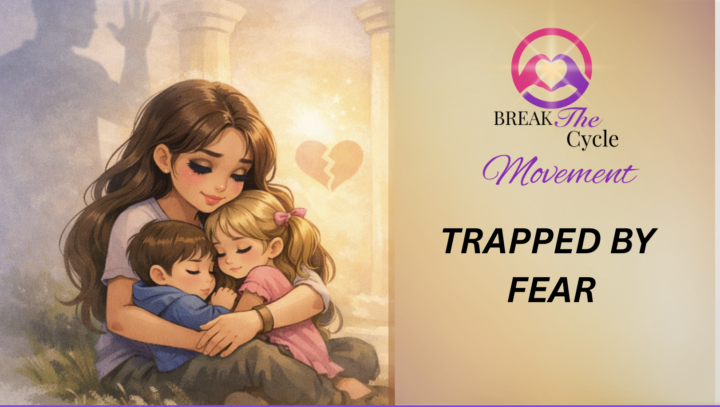
New lesson inside the classroom – Trapped by Fear
Afternoon all — I hope you’ve had a good week. Inside the Knowledge Saves Lives folder in the classroom, you’ll now find a 30-minute pre-recorded workshop exploring how fear and isolation operate within coercive control. This session breaks down how fear is created, how it leads to self-isolation, and why this is often misunderstood in both personal and professional settings. Have a watch when you can, and if anything resonates or raises questions, feel free to reach out.💜🙂
2
0
Mar 25 •
Today’s Exercise: Reflecting on Our Role Professionally
“Why This Work Matters” Purpose:To reinforce purpose and support clearer decision-making under pressure. When we are grounded in why we do this work, it strengthens our ability to stay focused, even in complex or high-risk situations. Exercise:Take a few moments to write down 5 reasons why your role matters, specifically: - To victims/survivors - To safeguarding outcomes - To long-term societal impact Consider: - What happens when this role is done well? - What happens when risk is missed or minimised? Here’s mine: 1. Families are given hope at a time when all they face is fear and uncertainty. 2. As the saying goes, "If you give a man a fish, he will eat for a day, but if you teach a man how to fish, he will eat for life." The same applies here. By building awareness and equipping people with tools, they are able to navigate their way to safety without feeling dependent on others. 3. Improving outcomes, one case at a time. One case well done is one life potentially saved. Or even more if they have children. 4. By focusing on root causes, the long-term cost to society is significantly reduced. 5. Young people are given a stronger foundation to thrive, grow, and make safer choices.
1-8 of 8
powered by
skool.com/say-no-das-professional-hub-3824
A professional space for those working with individuals impacted by abuse to deepen their understanding, improve trauma-informed practice & outcomes
Suggested communities
Powered by