
Write something

Jun 2 •
Wanting to scale and expecting everyone to bend to your terms aren't two things you get to have at the same time.
I had a call last month with an investor with an active deal flow and a good private money network. They got on the call because they already knew their private money lenders were tapped out — and they saw the value in what our lenders could do for them. But when the terms came up, everything changed. "The lender should change their process to show they want to work with me." That was almost verbatim what they said. But the more deals you do, the more you should understand how these processes work. It sounded like somewhere between their first deal and their tenth, “cheap” private money capital stopped being a tool and started being the only way they knew how to operate. PSA: Hard money and private money aren't competing. They're complimentary. But you don't get to build that stack on your own terms. That's not how collaboration works — and that's not how scaling works either. An unwillingness to work within a lender’s terms is the biggest problem I see with growing investors. That's the only thing standing between where they are and where they are trying to go.
0
0

May 11 •
**Don't Sign Until You Read This**
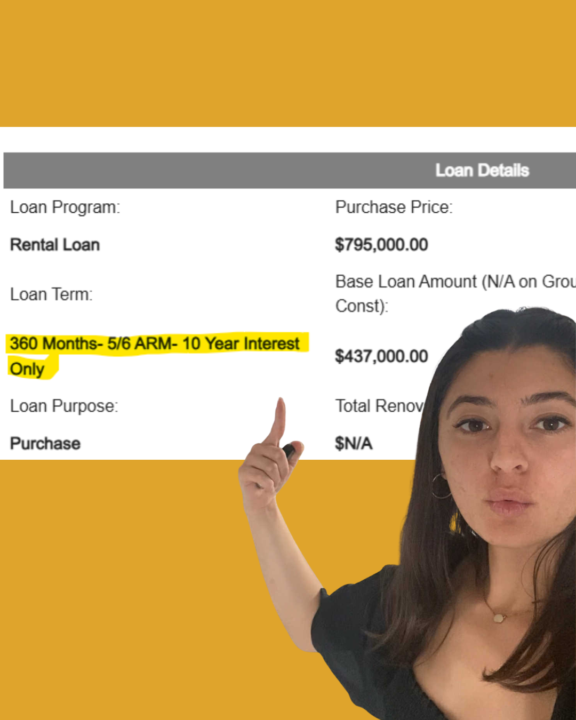
A lot of people think once they hand over their paperwork to a lender, their job is done. It's not. Closing a deal is teamwork. Your job doesn't stop at the documents. Here's what to watch for: 👉 Did the terms change from what you agreed to at the start? 👉 Does anything in the closing docs look different? 👉 Did anyone warn you about changes, or did they surprise you at the table? **Four steps to stay on top of it:** 1. 1️⃣ Make a Google Drive folder for your Chris Deal 2. 2️⃣ Save your term sheet 3. 3️⃣ Ask along the way: "Are the terms still the same?" 4. 4️⃣ Read your closing docs before you sign A borrower of mine signed for an adjustable rate loan WITHOUT KNOWING IT until they were sitting at the title company on closing day. We caught it and fixed it in time, but that's not always how it goes. Four steps, maybe 10 minutes total. And most investors skip all of them. Don't. be. that. investor.
0
0
Apr 28 •
A price drop that doesn't sell your flip can also kill your refinance.
I had a borrower come to me last week with a flip that wouldn't move. $50K into rehab. Priced at $700K. Dropped it to $650K trying to get traction. Meanwhile, he's bleeding hard money fees every month with no exit in sight. He decided to refinance and keep the property as a rental to stop the bleeding. Most flippers assume refinancing is straightforward once the rehab is done — especially if the appraisal comes in strong. So they drop the price, wait for the right buyer, and plan to refi if it doesn't sell. ☝️ What they DON’T know is that price drop just became the number their lender has to work with. If your property is listed — or was listed in the last 6 months — a DSCR lender cannot use appraised value. They use the lowest list price on record. So his math changed fast. Property appraised at $700K. Loan at 75% LTV. He wanted $525K out. But the lender had to base the loan on that $650K price drop. His actual loan came in at $487,500. That's $37K less than he was counting on. The fix: don’t drop and delist before you apply. 👉 Most lenders need 6 months off market before they can ignore the list price history and go back to appraised value. Know this before you cut the price. If you're sitting on a flip that isn't moving and you're thinking about refinancing out, get off market first. THEN start the conversation with your lender. Timing this wrong is an expensive lesson. Hopefully this saves someone from learning it the hard way.
1
0

Apr 17 •
“I have a new bank account for my business – do I have to season my funds for 60 days?”
We’re working with an investor right now who asked this exact question. His situation: - He’s refinancing a property into a new LLC - The bank account for that new LLC was just created Most DSCR lenders want to see **2 months of bank statements** with funds in the account to verify liquidity. Most DSCR lenders want 2 months of statements with funds sitting in the account to verify liquidity — so he was worried he'd have to wait 60 days before he could close. The good news was he already had the funds. They were just spread across other accounts. Our lenders aren't going to reject someone because a brand-new LLC account doesn't have a long history. They want to see where the money actually lives. As long as he sends: - Bank statements from the accounts that actually hold the funds - Operating agreements for any accounts owned by an LLC he’s in the clear. If you're in a similar spot — new LLC, new account, working on a refi — before you panic about seasoning, get clear on: 1. Where does the money actually sit right now? 2. What entity owns those accounts? Once you know that, pull the statements and operating agreements. You're probably closer to a clean approval than you think. 😁
1
0

Apr 15 •
“I’m moving out and want to refi my primary that will be a rental property.”
We just had an investor call with this exact scenario. My usual response is, “Sorry, we can’t work with primary homes.” However, this one was different. Most questions I get about DSCR and primary homes are about house hacking: 1. Buy a 2–4 unit 2. Live in one unit 3. Rent out the others What many don’t realize is that DSCR loans are **required** to be non‑owner‑occupied. It’s prohibited for the owner to live in the property. Now, like I said, this situation was different. These borrowers were moving OUT and wanted to rent what used to be their primary home. In that case, here’s the key: As long as they’ve established a new primary residence and it’s reflected on their driver’s license for the last 2 months, they’re good to go for a DSCR on the old home. So instead of selling a perfectly good house, they can: ⭐ Move into their new primary ⭐ Keep the old one in their portfolio ⭐ Turn it into a cash‑flowing rental Why sell a solid asset when you can keep it and let a tenant pay it down? 😉 ❓For the group: - Have you ever turned a former primary into a rental? - Did you refi it first, or rent it as‑is and refinance later? Share what you did and what you’d do differently now. If you’re considering this move and have questions, drop your scenario in the comments and we can talk it through together.
1
0

1-30 of 40
powered by

skool.com/real-estate-30-days-challenge-5427
Achieving financial freedom and building wealth are easy if you know where to start.
Our #1 goal is accelerating your growth with real estate!
Suggested communities
Powered by