Write something

Mar 26 •
Unlocking the Full Potential of Discord: Communities, Creativity, and Digital Growth
𝐈𝐧𝐭𝐫𝐨𝐝𝐮𝐜𝐭𝐢𝐨𝐧 Discord has evolved to become one of the most vibrant community, creator, and business platforms over the last 10 years, once a gaming niche communication platform. Be it creating a fanbase, organizing an intimate group, or finding new ways to interact, Discord has an excellent ecosystem with features that foster collaboration and creativity. Customizable servers are only the beginning; the platform has evolved in many more ways that can be useful to novices and seasoned users alike. We will discuss special insights into the development of Discord, how users can optimize the platform, and how account marketplaces and services are influencing the experience of the Discord present. 𝐒𝐭𝐚𝐫𝐭𝐢𝐧𝐠 𝐒𝐭𝐫𝐨𝐧𝐠: 𝐓𝐡𝐞 𝐕𝐚𝐥𝐮𝐞 𝐨𝐟 𝐄𝐬𝐭𝐚𝐛𝐥𝐢𝐬𝐡𝐞𝐝 𝐃𝐢𝐬𝐜𝐨𝐫𝐝 𝐀𝐜𝐜𝐨𝐮𝐧𝐭𝐬 It can be important to establish a well-established presence when making an entry into the Discord ecosystem. Buy old discord account is favored by many users due to their ability to offer a base that is already active, credible, and pre-engaging. Older accounts have a maturity-like overture to the platform, and users can better become part of communities. You may want to start with a server or exclusive groups, but an established account can get you started fast and with a lot of confidence. Furthermore, such accounts may prove helpful to creators or entrepreneurs who do not want to begin on this path. They will not have to create something step by step, but they can invest day one in content, communication and growth. 𝐁𝐮𝐢𝐥𝐝𝐢𝐧𝐠 𝐔𝐧𝐢𝐪𝐮𝐞 𝐂𝐨𝐦𝐦𝐮𝐧𝐢𝐭𝐢𝐞𝐬 𝐓𝐡𝐚𝐭 𝐒𝐭𝐚𝐧𝐝 𝐎𝐮𝐭 The real power of Discord is that it allows building communities around any subject, virtually. Gaming clans to groups of learning institutions and art studios, users can create spaces that mirror their identity on the platform. One of the key considerations here is server customization. Themed channels, visual elements, roles, permissions all help to make a specific environment. When community leaders take time to organize their servers, they usually experience more participation and greater member retention.
0
0

Mar 26 •
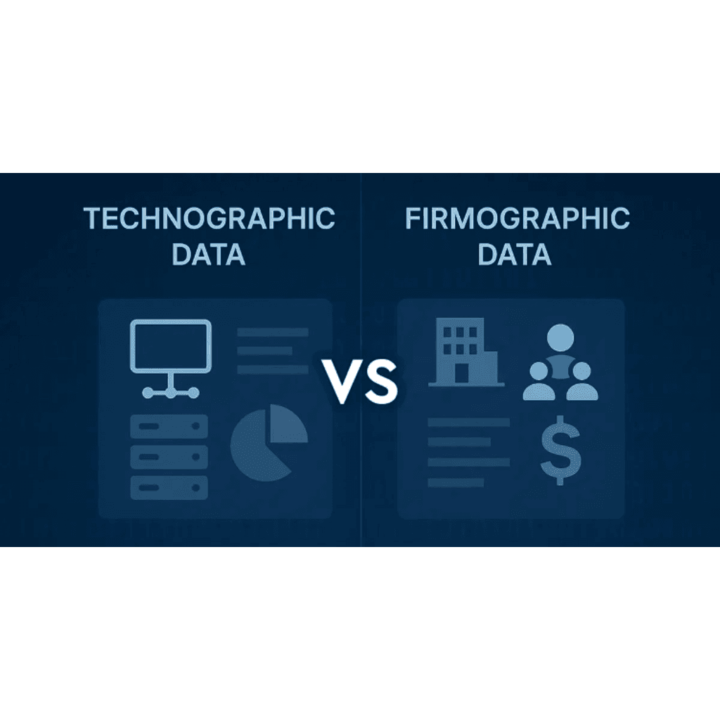
Technographic vs. Firmographic Data: What's the Difference and When to Use Each
If you work in B2B sales, marketing, or revenue operations, you've almost certainly encountered the terms firmographic data and technographic data. Both are essential ingredients in modern go-to-market strategies. Both help teams target better, prioritize smarter, and convert faster. But they are not the same thing, and understanding the difference between them is critical to using each one effectively. Too many revenue teams treat these data types as interchangeable or lean heavily on one while ignoring the other. The result is targeting that's either too broad to be actionable or too narrow to capture the full opportunity. The most effective GTM organizations understand what each data type brings to the table, where each one falls short, and how to combine them for maximum impact. This guide breaks down the differences, the use cases, and the strategy for bringing them together. 𝐖𝐡𝐚𝐭 𝐈𝐬 𝐅𝐢𝐫𝐦𝐨𝐠𝐫𝐚𝐩𝐡𝐢𝐜 𝐃𝐚𝐭𝐚? Firmographic data describes the fundamental, structural characteristics of a business. It is the B2B equivalent of demographic data in consumer marketing. Where demographics profile individual people, firmographics profile companies. Common firmographic attributes include industry or vertical classification, annual revenue, employee count, headquarters location and geographic footprint, ownership structure (public, private, PE-backed), year founded, and number of office locations. Firmographic data answers the question: "What kind of company is this?" It tells you whether a business operates in your target industry, whether it falls within your ideal size range, whether it's located in a geography you serve, and whether its organizational profile matches the type of customer you typically win. For decades, firmographic data was the backbone of B2B targeting. It remains essential today, but it is no longer sufficient on its own. Knowing that a company is a mid-market financial services firm with 500 employees tells you something useful. But it tells you nothing about how that company operates, what challenges its technology environment creates, or whether your specific solution is relevant to its current situation.
0
0
1-2 of 2