
Write something

Feb 4 •
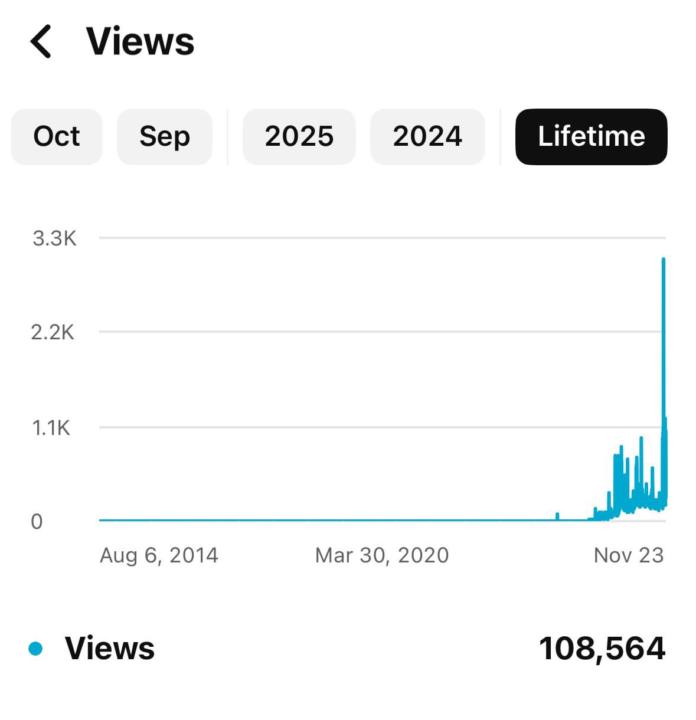
From Zero to 100K+ Views 📈 (Without Showing My Face)
This is what happens when YouTube automation is done the right way.No luck. No guessing. Just niche research, data-driven content, smart automation systems, and consistency. Most channels stay flat for years because they don’t understand how YouTube really works.When you build with strategy, the growth eventually speaks for itself. If you’re serious about starting, scaling, or fixing a faceless YouTube channel, you’re already late. but not too late. More real results. No hype. 🚀
Feb 3 •
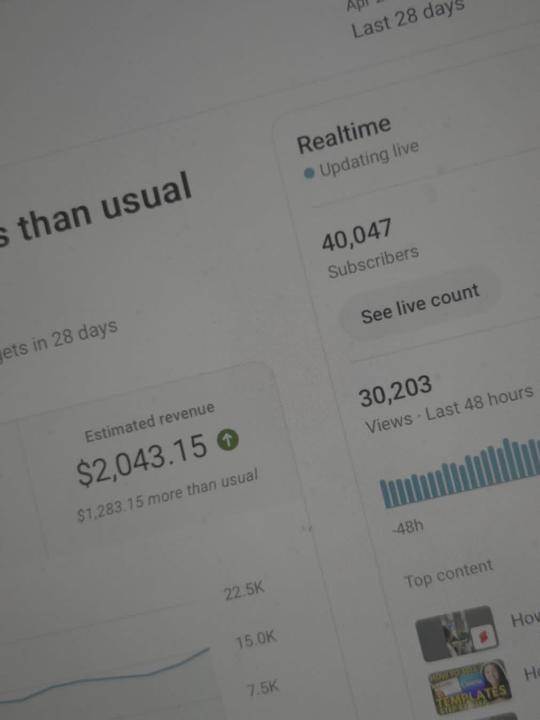
🚀 YouTube Automation works when done right.
40K+ subscribers, consistent real-time views, and over $2K generated all powered by systems, strategy, and smart automation. No face. No guesswork. Just data-driven growth. If you’re serious about building, scaling, or fixing a YouTube Cash Cow channel, focus on process > hype. Results follow.
Feb 2 •
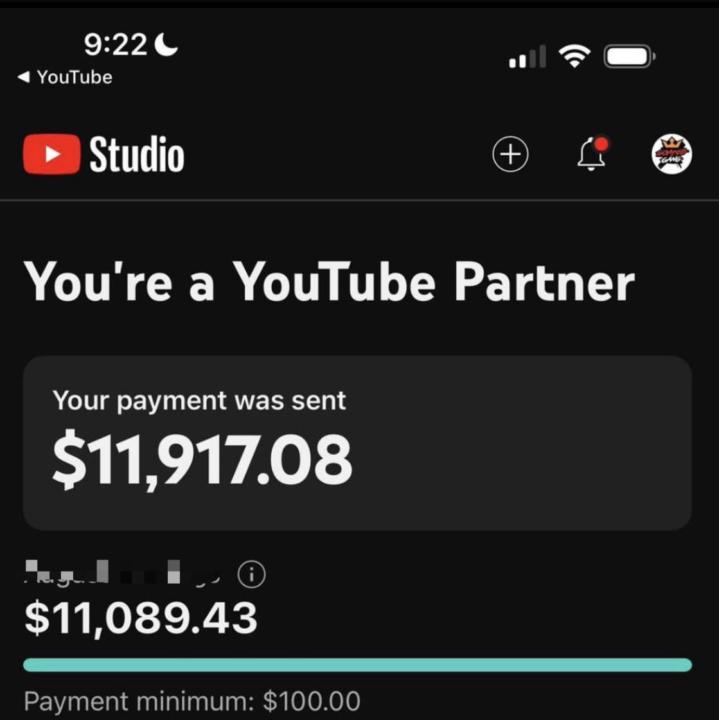
📸 Screenshot is real. Result is repeatable.first payout on YouTube automation channel $11,000
This is what happens when: You stop guessing niches • You run YouTube like a business • You let systems do the heavy lifting (no face, no hype) Most people are stuck watching videos. A few are quietly collecting payouts. If you’re serious about: ✅ Starting YouTube automation ✅ Scaling an existing channel ✅ Fixing a channel that’s not monetizing ✅ Or seeing what’s actually working right now 👉 DM me “START” Join my Telegram for direct access & step-by-step guidance: 🔗 https://t.me/YouTubeGrowthBlueprint Or message me directly on Telegram: 📩 https://t.me/remiyta I’ll show you: – What niche I’d pick today – What most people are doing wrong – And whether this is even right for you (honest answer) No pressure. No noise
0
0
Feb 2 •
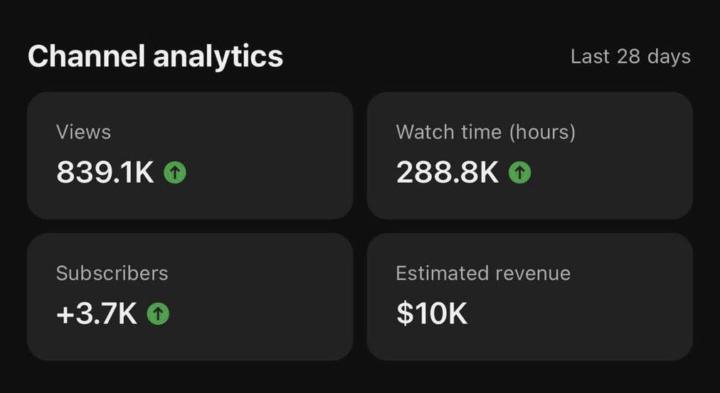
📊 839K+ views in 28 days ⏱️ 288K watch hours 👥 +3.7K subscribers 💰 ~$10K estimated revenue
This is what happens when YouTube automation is done the right way: niche research, viral-ready content, strong retention, and smart monetization. If you’re serious about building or scaling a cash cow YouTube channel, learn the process don’t guess it. Real results. Real systems. 📈

1-5 of 5
powered by
skool.com/pt-and-leadership-educator-2118
Learn about health, fitness and leadership from a qualified personal trainer and British Army officer in the Educational and Training Services.
Suggested communities
Powered by