
Write something
Pinned

Apr 28 •
The Men’s Vitality Assessment Tool in Skool
The Men’s Vitality Assessment Tool Is Now Live Inside Skool (member code: IRONMEN) A lot of men know something is off. They may not say it out loud right away.But they feel it. Energy is not what it used to be.Sleep is lighter, shorter, or more broken.The waistline is moving in the wrong direction.Blood flow does not feel the same.Libido is lower.Recovery is slower.The prostate may be acting up.The body just does not feel sharp, clean, and responsive the way it once did. And here is the problem: Most men do not know where to start. They know they do not feel like themselves anymore.But they do not know what system is actually dragging the rest of them down. That confusion keeps men stuck. They try random supplements.Random videos.Random health tips.Random motivation. But random action without clarity usually leads to random results. That is exactly why I created the Men’s Vitality Assessment Tool. Why This Tool Exists I built this tool because a lot of men are asking the wrong question. They ask:“What supplement should I take?”“What food should I eat?”“What protocol should I try?” Those can be useful questions later. But the smarter first question is: “What system is struggling first?” Because the body works in systems. If a man’s sleep is bad, that spills into hormones, cravings, recovery, and energy.If blood sugar is off, that spills into inflammation, belly fat, circulation, and drive.If circulation is poor, blood flow suffers.If prostate stress is high, quality of life drops.If libido is off, confidence and connection can suffer too. The body does not break down in isolated boxes. That is why this assessment matters. What the Men’s Vitality Assessment Tool Does: The tool helps you take a step back and look at 8 key systems in the male body. It is designed to help you stop guessing and start seeing patterns. Not just:“I feel bad.” But: - where the drag may be coming from - what system appears weakest right now - what may deserve your attention first
Pinned
Apr 11 •
20 Smoothies for Men
Instant download. 20 smoothie recipes for blood flow, erectile support, prostate health, and vitality. Grocery-store ingredients. PDF format. No subscription. 20 Smoothies for Men — Digital Guide (PDF) Buy Now https://www.paypal.com/ncp/payment/2HWDY7JZJTZKY
1
0
Pinned
Apr 11 •
Read this before anything else --> Welcome
Welcome to Prostate God. This community is for men 40+ who want to take a practical, grounded approach to prostate health, blood flow, erectile strength and daily performance — without prescriptions, hype, or guesswork. Here's how this works: - Read the 7-Day Prostate Reset (pinned in Classroom). That's your starting point. - Introduce yourself in the comments below. Just your first name, age, and what brought you here. - Ask questions plainly. No judgment here. Every man in this room has the same biology. What you won't find here: miracle cures, fake urgency, or supplements pushed without context. What you will find: specific protocols, real food strategies, and a group of men doing the work quietly. Let's get started.
2
0
May 29 •
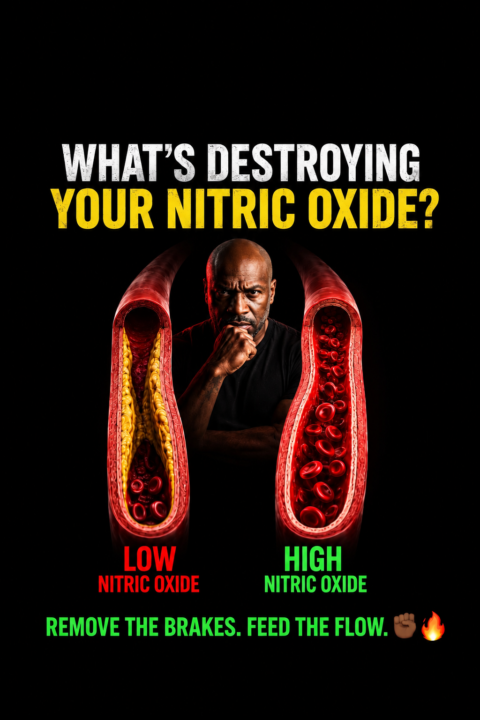
What’s Destroying Your Nitric Oxide? (And Why It Matters More Than Most Men Think)
Most men are desperately trying to increase nitric oxide. They’re drinking beet juice, buying expensive supplements, taking pre-workouts, swallowing capsules, and searching for the next miracle solution for erections, circulation, energy, and prostate health. But almost nobody is asking the more important question: What is destroying my nitric oxide every single day? Because if you’re pouring water into a bucket with holes in it, the answer isn’t more water. The answer is fixing the holes. First, What Exactly Is Nitric Oxide? Nitric oxide is one of the most important molecules in the male body. Its job is simple: It tells your blood vessels to relax and open. When blood vessels open, blood flows. When blood flows, good things happen: ✅ Stronger erections ✅ Better circulation ✅ More energy ✅ Better exercise performance ✅ Improved recovery ✅ Healthier blood pressure ✅ Better nutrient delivery throughout the body In fact, every healthy erection starts with nitric oxide. Without it, the signal never gets sent. No signal. No blood flow. No erection. It’s almost mechanical. Why So Many Men Over 40 Start Struggling Most men assume their problems are caused by aging. “I’m getting older.” “My testosterone must be low.” “I guess this is normal.” Not necessarily. What often happens is years of lifestyle habits slowly damage the delicate lining inside your blood vessels. That lining is called the endothelium. Think of it as the factory that helps produce nitric oxide. When the factory becomes damaged, production drops. And that’s when symptoms begin showing up. Weak erections. Cold hands and feet. Poor circulation. Low energy. Brain fog. Slower recovery. Weak urine flow. Higher blood pressure. The body starts sending warning signs long before a major diagnosis arrives. The 6 Biggest Nitric Oxide Killers 1. Poor Sleep Sleep is when your body repairs itself. Blood vessels recover. Hormones rebalance. Inflammation comes down. Men who consistently sleep poorly often experience reduced testosterone, higher inflammation, and impaired nitric oxide production.
0
0
1-30 of 35
powered by
skool.com/prostate-god-8211
A Private community for men 40+ to restore prostate comfort, clarity, and confidence. Weekly protocols, supplement guidance, and support.
Suggested communities
Powered by