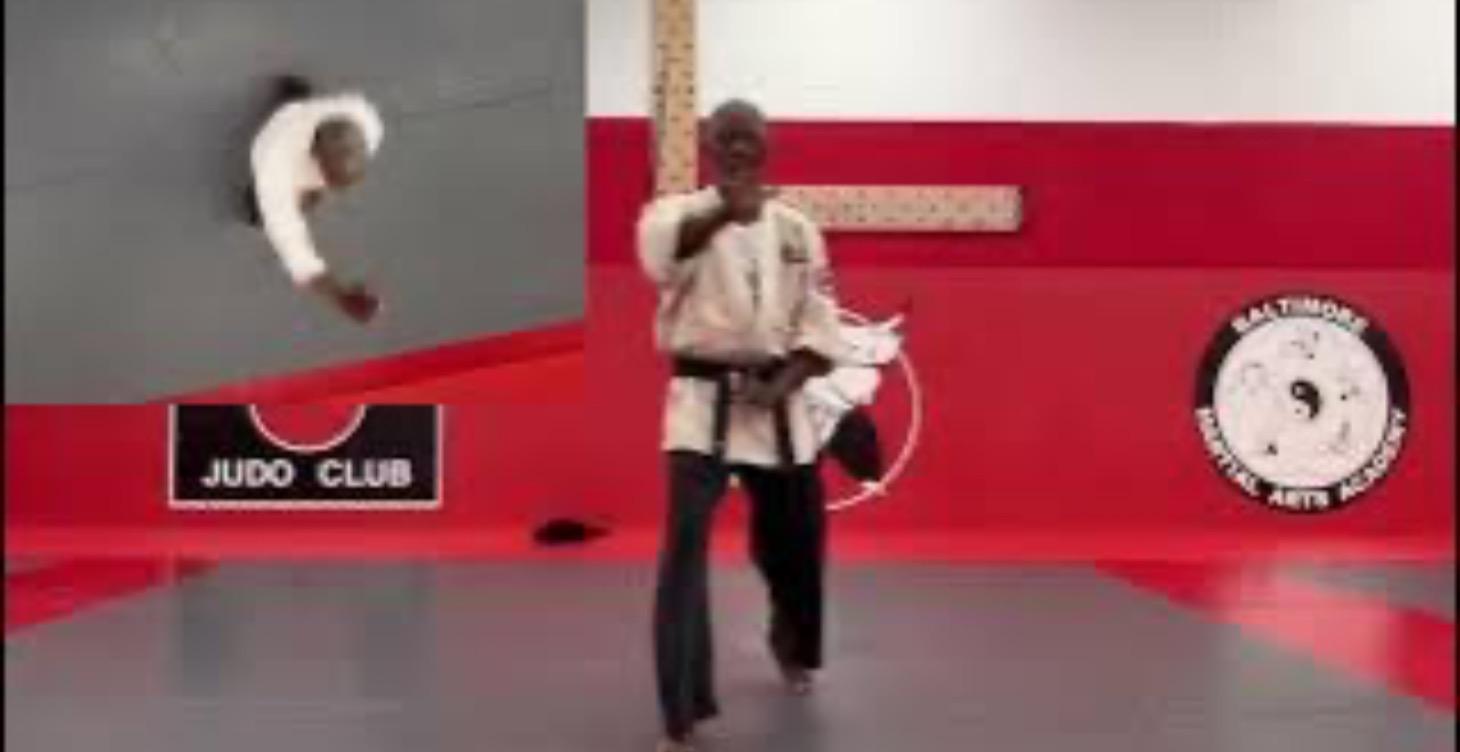
Aikido foot work and hand practice
Unsoku and Tegatana Dosa is the foundational footwork and hand movement of Aikido. It trains calm, continuous movement that maintains balance, posture, and proper distance (ma-ai) under pressure. Rather than colliding or retreating, Unsoku allows the practitioner to enter, blend, control, and disengage smoothly. In Tomiki Aikido, Unsoku is not a warm-up—it is the basis for effective technique, responsible control, and budo expressed through movement rather than force.
0%
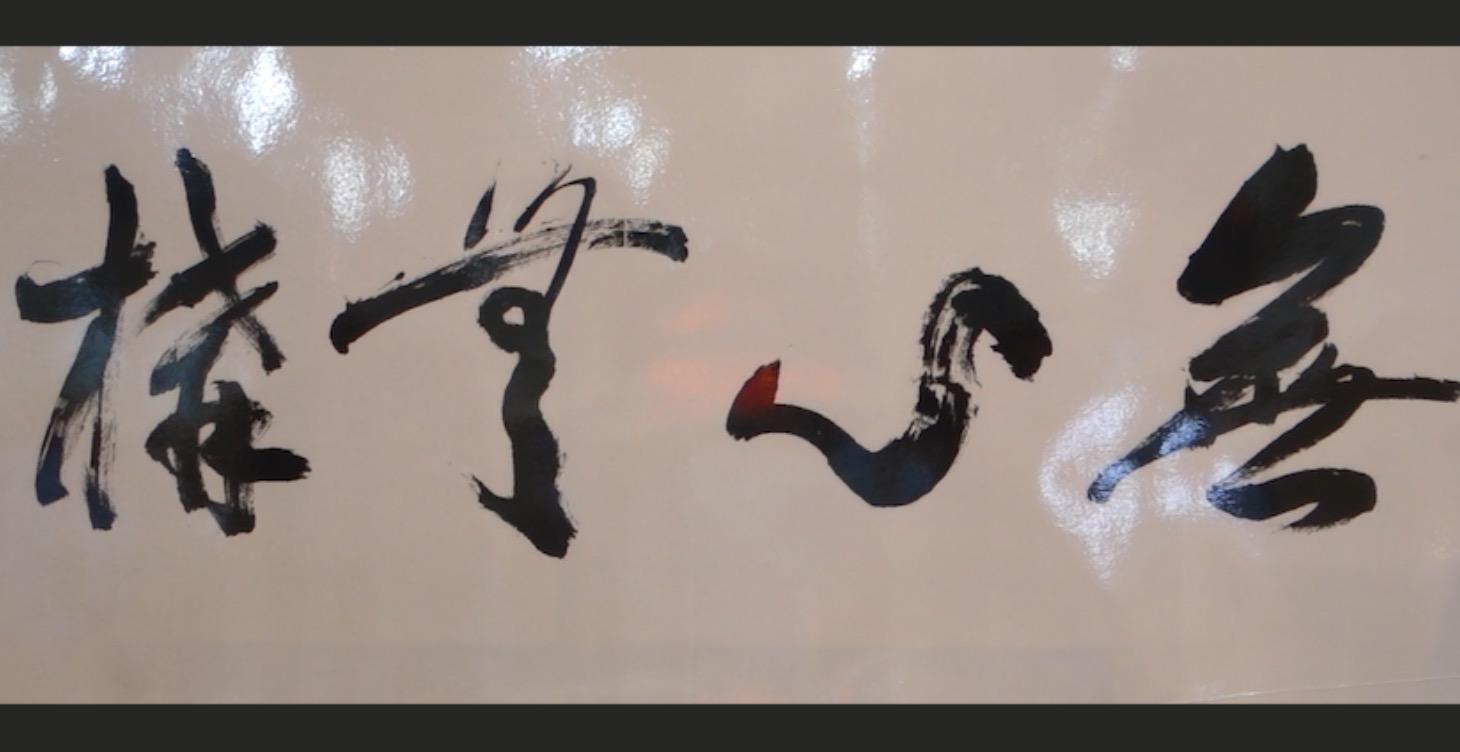
no mind no stance
No mind no stance
0%
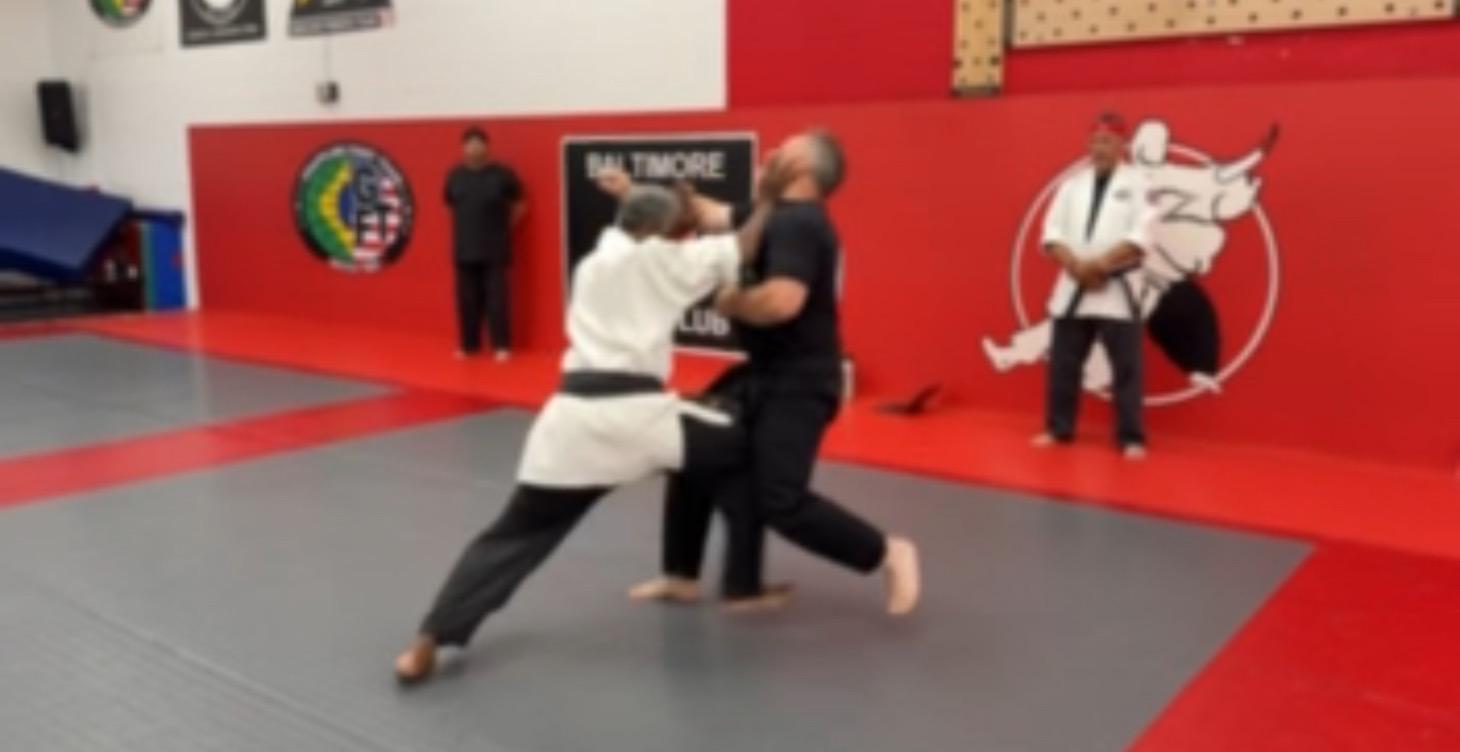
1. Shomen-ate (Front strike to head) -#1
Shomen Ate teaches us to move from danger directly into uke’s center of power. It’s a risky position, but an honest one—when the entry is correct, uke must respond. Through training, we learn to place ourselves with clarity, inviting predictable reactions rather than forcing outcomes. This is why it is taught first and should be practiced with the goal of developing true understanding of movement, timing, and self-awareness—not just technique.
0%
#13 Tenkai-kote-hineri (Rotating wrist twist)
#13 Tenkai-kote-hineri
[https://youtu.be/9-O2mEtYXVw](https://youtu.be/9-O2mEtYXVw)
Tomiki Aikido #13 – Tenkai-kote-hineri (Rotating Wrist Twist) uses body rotation to create wrist control without force. Through tenkai, tori aligns movement with uke’s structure, allowing kuzushi to emerge naturally. The lock is a result of posture, timing, and positioning—not strength. This technique teaches how small rotational movements can break balance and guide uke safely and efficiently.
0%
1-4 of 4