
Write something

Oct '25 •
Welcome! Introduce yourself + share a pic of your workspace 🎉
Welcome! Introduce yourself + share a pic of your workspace 🎉 Let's get to know each other! Comment below sharing where you are in the world, a photo of your workspace, and something you like to do for fun. 😊
0
0
Oct '25 •
Unveiling Sustainable Catering Innovations: How To Tantalise Taste Buds and Reduce Footprints!
Are you planning an event that is not only a feast for the senses but also gentle on the planet? Look no further! In the realm of catering, sustainable innovations are revolutionising the way we indulge in culinary delights. From gourmet weddings to corporate events, the catering industry is embracing eco-friendly practices without compromising on the quality or taste of the offerings. So, let's dive into the world of green gastronomy and explore how sustainability is making its mark on the catering landscape. Embracing Eco-Friendly Catering 1. Farm-to-Table Freshness One of the standout trends in sustainable catering is the farm-to-table approach. By sourcing ingredients locally, caterers reduce the carbon footprint associated with transportation while supporting local farmers. Imagine savoring a dish where every ingredient has a story and a place of origin, adding a layer of authenticity to your gastronomic experience. 2. Zero-Waste Menus Say goodbye to food waste with zero-waste catering menus. Caterers are getting creative with repurposing food scraps, utilising leftovers, and minimising packaging to ensure that every morsel served contributes to a more sustainable future. By adopting zero-waste practices, events can be both delicious and environmentally responsible. 3. Plant-Based Delights Plant-based cuisine is not just a trend; it's a movement. Caterers are crafting gourmet plant-based dishes that cater to diverse palates while reducing the environmental impact of meat production. Whether you are a committed vegan or just looking to add more greens to your plate, plant-based catering options are a flavorful choice that promotes sustainability. Capturing Sustainable Celebrations 1. Eco-Friendly Event Design Beyond the menu, sustainable catering extends to the presentation and ambience of your event. Biodegradable serveware, reusable decorations, and energy-efficient lighting are just a few ways that caterers are transforming events into eco-conscious extravaganzas. Embrace the beauty of sustainability in every aspect of your celebration.
0
0
Oct '25 •
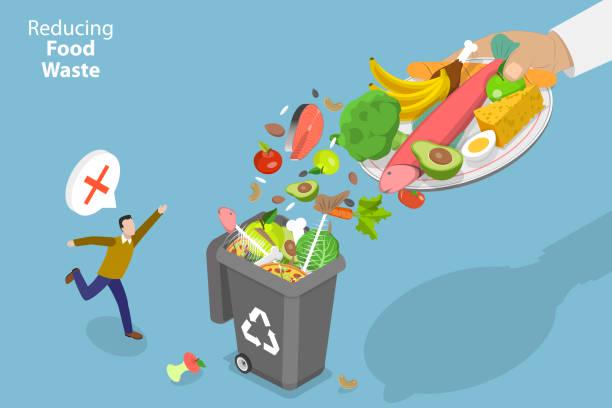
Reducing Food Waste: A Delicious Path to a More Sustainable World.
In a world where hunger coexists with abundance, the importance of minimizing food waste cannot be overstated. Every year, billions of tons of food are discarded, leading to not only economic losses but also environmental and social consequences. Particularly concerning is the wastage of fruits, vegetables, and other perishable goods, which not only represents a loss of nutrition but also squanders the resources and labor that went into producing them. However, amidst this challenge lies an opportunity to foster diversity and sustainability in our food systems. The Impact of Food Waste The impact of food waste extends far beyond the confines of our kitchens. It contributes to greenhouse gas emissions, as decomposing organic matter releases methane—a potent greenhouse gas—into the atmosphere. Additionally, wasted food means wasted resources such as water, land, and energy, further exacerbating environmental degradation. From farm to fork, every step in the food supply chain represents an investment of resources, and when food is wasted, these investments go to waste as well. Fruits and Vegetables: Champions of Diversity Fruits and vegetables are not only nutritional powerhouses but also emblematic of culinary diversity. They come in a myriad of shapes, colors, and flavors, each representing a unique cultural heritage and culinary tradition. However, when these diverse treasures end up in the trash, we lose more than just sustenance—we lose a piece of our cultural and agricultural heritage. What Can We Do? Reducing food waste starts with awareness and action. Here are some steps we can take to make a difference: 1. Mindful Shopping: Plan meals, make lists, and buy only what you need. Avoid impulse purchases and be mindful of expiration dates. 2. Creative Cooking: Embrace creativity in the kitchen by repurposing leftovers and using imperfect produce. Soups, smoothies, and stir-fries are great ways to breathe new life into surplus fruits and vegetables. 3. Proper Storage: Store fruits and vegetables properly to prolong their freshness. Use airtight containers, wrap leafy greens in damp paper towels, and keep perishables in the fridge. 4. Community Engagement: Support local initiatives aimed at redistributing surplus food to those in need. Volunteer at food banks, participate in community gardens, and advocate for policies that promote food recovery and redistribution. 5. Education and Advocacy: Raise awareness about the issue of food waste and advocate for systemic changes in our food systems. Encourage schools, businesses, and policymakers to implement strategies for reducing waste at every level.
0
0


Oct '25 •
welcome to your community
Firstly, I would like to welcome you to your new community where you can meet like-minded people and swap or share ideas, but first, I'd love to know more about you and what makes you tick in the culinary World.
0
0
1-7 of 7
powered by

skool.com/picture-perfect-catering-club-3752
Picture Perfect Catering Club is a community to learn, share recipes, swap ideas, and connect with fellow food lovers and creative cooks.
Suggested communities
Powered by