
Write something

3d •
Heavy metal environmental contaminations
For the past several decades the concern of heavy metal toxins in our foods has been on the rise. Mother's, no longer feeding their children rice cereal because of fear of arsenic in high levels. Cadmium and lead in dangerous amounts found in many food products. Many are taught to believe that these harmful contaminants are naturally in the soil but that is not the truth. Unfortunately, the heavy use of mined chemical fertilizers, pesticides and industrial agricultural practices have caused mass contamination to the soils, waterways, and ecosystems in which we grow our food and live. Lead arsenate and calcium arsenate that have been heavily used on orchards (apples, peaches) and other crops until the mid-20th century, have created severe contamination. The majority of phosphorus-based fertilizers, specifically Triple Super Phosphate (TSP) contains elevated levels of inorganic arsenic, with studies indicating a mass contribution in arsenic accumulation in commercial agricultural soils. In regions like Bangladesh, Vietnam, and parts of China the groundwater containing high natural levels of arsenic is used for irrigation has significantly increased contamination in topsoil. The contamination levels rise to extreme levels in the flooded fields of rice. Exposure to inorganic arsenic has been linked to a greatly increased risk of cancer, build up in the organs especially the brain is linked to autism, as well as endocrine disruption disorders. Now that we know the severity of the issue, what can we do about it? Our purchasing decisions have great power. By choosing to buy from organic permaculture oriented farmers who do practices to heal and regenerate soil, test their soils for contaminants, and use practices such as biochar refertilization we support the system that will heal. Of course that option is not always available, the next best thing is to buy the fruits and vegetables low in arsenic contamination and avoid ones that are known for high contamination levels.
0
0
Sep '25 •
It's the time of year to make fire cider! What's your favorite recipe?
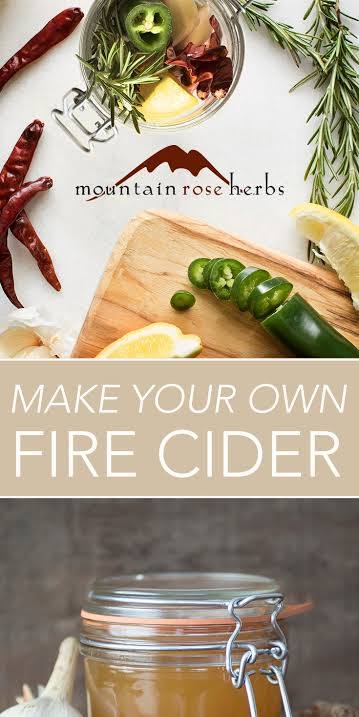
My favorite is this one from Mountain Rose herbs, which is also my favorite place to buy dried herbs and tinctures for medicinal use. Classic Mountain Rose Herbs Fire Cider Recipe Ingredients 1 medium organic onion, chopped 10 cloves of organic garlic, crushed or chopped 2 organic jalapeno peppers, chopped Zest and juice from 1 organic lemon 1/2 cup fresh grated organic ginger root (or organic ginger root powder) 1/2 cup fresh grated organic horseradish root (or organic horseradish powder) 1 Tbsp. organic turmeric powder 1/4 tsp. organic cayenne powder 2 Tbsp. of dried rosemary leaves Organic apple cider vinegar 1/4 cup of raw, local honey, or to taste Directions Prepare your roots, fruits, and herbs and place them in a quart-sized glass jar. If you've never grated fresh horseradish, be prepared for a powerful sinus-opening experience! Pour the apple cider vinegar in the jar until all of the ingredients are covered and the vinegar reaches the jar's top. Use a piece of natural parchment paper under the lid to keep the vinegar from touching the metal, or a plastic lid if you have one. Shake well. Store in a dark, cool place for a month and remember to shake daily. After one month, use cheesecloth to strain out the pulp, pouring the vinegar into a clean jar. Be sure to squeeze as much of the liquidy goodness as you can from the pulp while straining. Next comes the honey. Add and stir until incorporated. Taste your cider and add more honey until you reach the desired sweetness Recipe and image credit to mountainroseherbs.com
0
0
Sep '25 •
Garlic as medicine, how do you like to eat yours?
Garlic has many benefits when eatan raw. I also love fermented garlic honey. It has all those wonderful probiotics to aide digestion. But did you know that if you roast garlic it converts the thiamine into benfotamine which is a much more bioavailable form of B1. Most B vitamins are really good for colds, flus and wide majority of immune diseases, but B1 is the most essential and hardest to find in a variety of natural spurces. Only available in roasted allums, garlic contains much more then onions. Allicin is formed when raw garlic is crushed or chopped and has strong antimicrobial properties, but it is unstable and sensitive to heat. Benfotiamine, by contrast, is more stable and heat-resistant, forming in roasted garlic. It provides benefits as a highly bioavailable vitamin B1 precursor rather than an antimicrobial agent. Adding roasted garlic to a dish can by an immune super boost!
0
0
Aug '25 •
Adventure is out there!
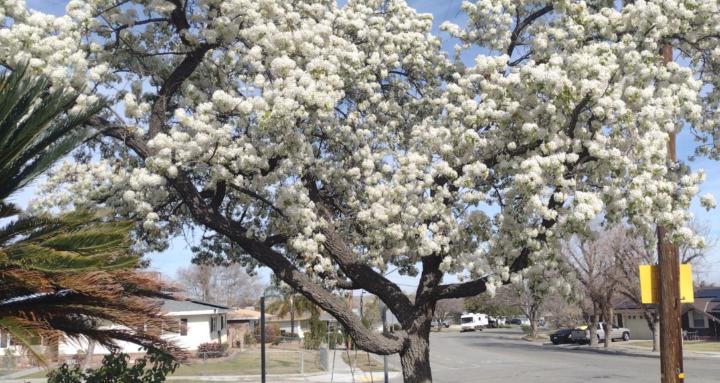
Hi! I love to garden and explore nature. If you do too post a pic of your favorite hiking spot, garden space, or any outdoor adventure!
0
0

1-4 of 4
powered by
skool.com/permaculture-life-8735
A community for nature lovers to come together to live holistically. Sharing tips on gardening, healthy fresh recipes, and naturopathic medicines.
Suggested communities
Powered by