O.U.R Breathwork Tribe
Private
1 member
Free

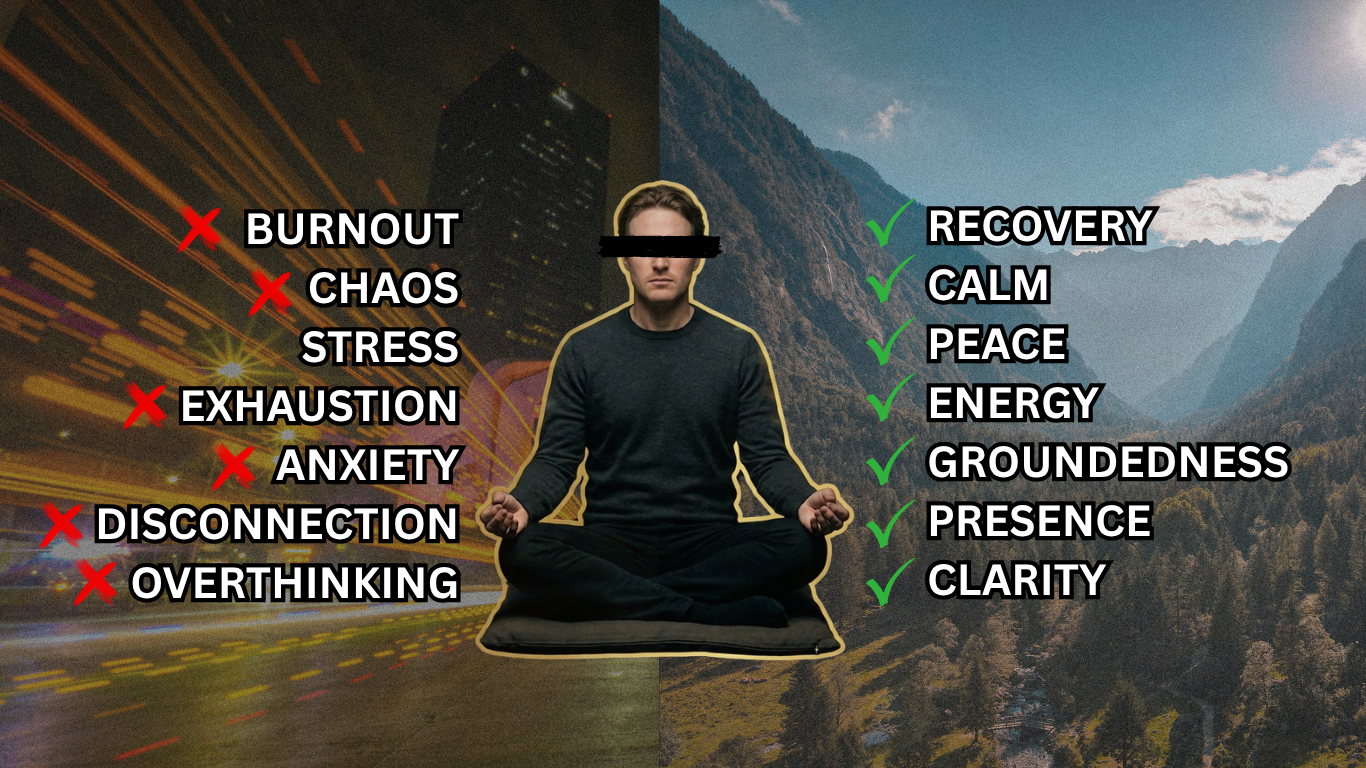
If you're a professional or entrepreneur who's running on empty and wondering when the exhaustion became the new normal — you're in the right place.
Welcome to Oxygenate. Unplug. Reset.
I spent years working in the tech industry until I hit a wall of complete burnout trying to keep up with the AI race. I realised I needed to disconnect to survive.
Now, as a breathwork instructor, I help professionals and entrepreneurs recover from burnout who can't afford to slow down or take time off.
Breathwork gave me something I didn't expect — space between my thoughts. A way to decompress in real time, lower the noise and keep moving from a calmer, clearer place.
You'll get:
✅ Mental space and clarity
✅ Manage stress & anxiety
✅ Deeper sleep and waking up rested
✅ Learn to regulate your nervous system
✅ A simple tool you can use anywhere
Join a community of people who are done running on empty and doing something about it.
👉 You belong here. Join the O.U.R Breathwork & wellness tribe today
powered by
skool.com/oxygenate-unplug-reset-7677
Burned out but can't stop? Breathwork tools to recover, recharge, and keep going — without stepping away or taking time off