🎯ASSOCIAÇAO MONDEGO VITAL 🎯
2:00
Private
47 members
Free
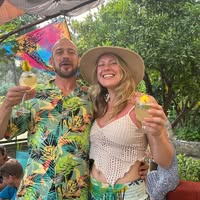
Mondego Vital Tábua: Hands in the soil, hearts in community.
We regenerate land through volunteer workdays, clearing paths and planting roots. These practical sessions restore neglected terrain while forging real connections between locals and newcomers.
Between shovels, we share stories around communal lunches, play chess tournaments, practice conversational Portuguese, learn about Portuguese culture and raise funds through online streaming of local DJs supporting bombeiros.
Our Skool hub is Tábua's beating heart: a live calendar of workdays, language meetups, chess nights, music sessions, and community socials keeps everyone connected and up to date. The classroom indexes essential resources—from Portuguese essentials and workday safety guides to Tábua gardening tips and local knowledge shared by members themselves.
We fight isolation one workday, one conversation, one shared skill at a time. Internationals find belonging, locals share expertise, and Tábua grows stronger together.
powered by
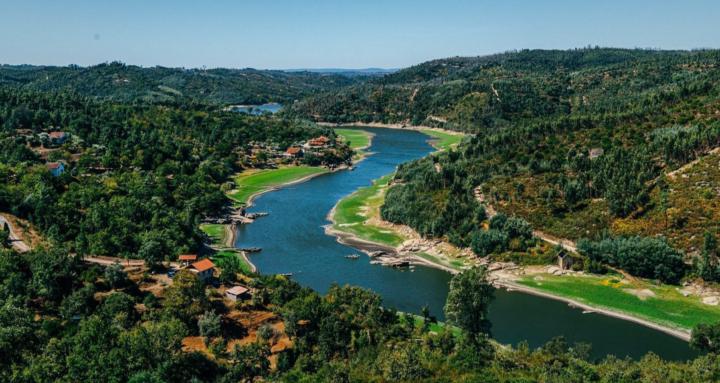
skool.com/out-of-the-norm-portugal-4457
Land Regeneration workdays + Community skills hub.
Calendar keeps you connected.
Togetherness through music, games and Portuguese culture!