

🔥
26m •
📌 No Detailed Coaching Blueprint Survives First Contact with the Client
There is an old military observation, often attributed to von Moltke, that says: "No plan survives first contact with the enemy." The deeper meaning is simple: reality changes things. I have been thinking about how perfectly that applies to modern coaching and mentoring. We live in a time overflowing with blueprints, frameworks, systems, and "proven" step-by-step methods. Every coach seems to have a process. Every program promises transformation through structure. And to be fair, structure does matter. Frameworks can create clarity. They can help people begin. They can reduce confusion and provide direction. But something interesting happens the moment a real client enters the process. Reality intervenes. One client needs accountability. Another needs reassurance. One needs strategy. Another needs permission to slow down and think clearly for the first time in years. Human beings are not standardized environments. And yet much of the online coaching world increasingly behaves as though every person should move through the same carefully engineered sequence in exactly the same way. That is where things begin to flatten. Not because coaches lack care or skill, but because the system itself quietly becomes more important than the person. Ironically, the best coaches rarely follow their own blueprints rigidly in practice. They adapt. They notice subtle signals. They respond to what is actually happening instead of forcing every conversation back into the prepared structure. Because they understand something important: The framework is not the transformation. The relationship is. This does not mean systems are useless. Far from it. A good framework can serve as a valuable map. But the map is not the journey. The real work often happens in the unexpected moments; the off-script question, the hesitation behind the confidence, the realization neither person saw coming at the beginning. Those moments cannot be fully templated. Perhaps the strongest coaches are not the ones with the most detailed blueprints. Perhaps they are the ones most capable of remaining present once the blueprint collides with reality. The ones willing to adapt without losing direction. The ones who understand that meaningful growth rarely unfolds in perfectly predictable ways.
0
0


🔥
2d •
Visibility Without Burning Out 🔥
You don't need to post every day. You need to post on purpose. Most Warriors are exhausted because they're producing content like it's a treadmill. Daily posts, daily reels, daily stories, daily everything. And then they wonder why nothing converts. The volume isn't the problem. The lack of intention is. Here's the truth. Five intentional posts a week, aimed at the right person, beat 30 random posts every single time. Your audience doesn't need more from you. They need clearer signal. When the right people see the right content from you consistently, that's when the math starts working. 𝗧𝗵𝗿𝗲𝗲 𝘁𝗵𝗶𝗻𝗴𝘀 𝘆𝗼𝘂 𝗰𝗮𝗻 𝗱𝗼 𝗧𝗢𝗗𝗔𝗬: Open your content calendar (or your notes app, no judgment). List your top 3 content themes for May. Pick 𝗢𝗡𝗘 theme to lean hardest into for the next 7 days. Just one. (My Example: Grow your community or build your community, or monetize your community) 𝗣𝗜𝗖𝗞 𝗢𝗡𝗘! Plan your next 3 posts under that theme. Not 30. Three. Less content. Sharper aim. That's how the small audience starts converting like a big one. What theme are you leaning into for the next 7 days? 👇

🔥
4d •
📌 You Are Not Stuck: You Are Unconvinced
Most people say they feel stuck. Stuck in their thinking. Stuck in their work. Stuck in what comes next. But I am not always convinced that "stuck" is the right word. Because stuck suggests there is no movement. And that is rarely true. What I see more often is something quieter. A hesitation. Not because the next step is unknown, but because it is not yet trusted. You can see it. You can almost reach it. You may have even circled it more than once. And yet, you do not move. Not from lack of ability. Not from lack of ideas. But from a lack of conviction. We tend to think clarity comes first, and then action follows. But often, it works the other way around. A small step. A simple attempt. A willingness to move before everything feels certain. That is what builds conviction. You do not always need a better plan. Sometimes you need a reason to trust the one already forming. If you have been feeling "stuck",”it may be worth asking a different question: "What am I not yet convinced of?" That question does not push. It opens. And sometimes, that is all it takes.

🔥
5d •
You Don't Need a Big Audience!
You need a small group of aligned humans. 𝗥𝗲𝗮𝗱 𝘁𝗵𝗮𝘁 𝗮𝗴𝗮𝗶𝗻. Most Warriors think the reason they're not making money is that they don't have enough followers. So they chase numbers. They post for the algorithm. They burn out trying to "grow" before they've actually sold anything to the people already watching. Here's what nobody tells you. You don't need 10,000 people. You need a handful of the RIGHT people. A handful who trust you. A handful who said yes to one thing and would say yes to the next. The math gets really small really fast when your offer is solid and your people are aligned. 𝗧𝗵𝗿𝗲𝗲 𝘁𝗵𝗶𝗻𝗴𝘀 𝘆𝗼𝘂 𝗰𝗮𝗻 𝗱𝗼 𝗧𝗢𝗗𝗔𝗬: 1️⃣ Open your follower list (or your email list, or your Skool DMs). Write down 10 people who've engaged with you in the last 30 days. 2️⃣ Pick 3 of those names. These are warm leads. Not strangers. Not algorithm crumbs. Actual humans paying attention. 3️⃣ Send one of them a real message. Not a pitch. Ask them what they're working on right now. Stop chasing audience. Start activating the room you already have. 𝗪𝗵𝗼'𝘀 𝘁𝗵𝗲 𝗼𝗻𝗲 𝗽𝗲𝗿𝘀𝗼𝗻 𝘆𝗼𝘂'𝗿𝗲 𝗴𝗼𝗶𝗻𝗴 𝘁𝗼 𝗺𝗲𝘀𝘀𝗮𝗴𝗲 𝘁𝗼𝗱𝗮𝘆?👇

🔥
4d •
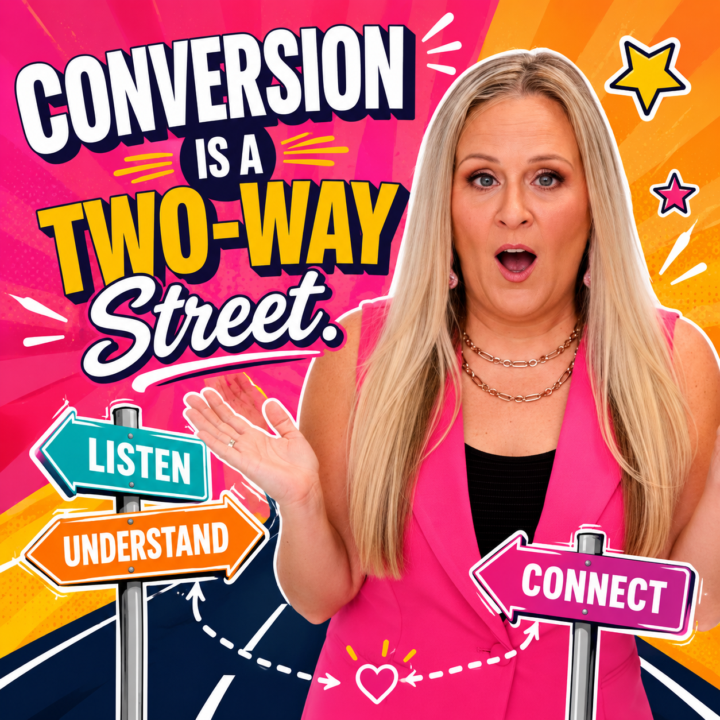
Conversion is a two-way street 🙌
Most Warriors think conversion is about the funnel. It's not. It's about the relationship. You can have the prettiest landing page on the internet and still get crickets if the people landing on it have never heard of you, never engaged with you, never trusted you. Conversion isn't magic. It's math. A small percentage of the right people, who already know you, will say yes when you make the offer. The rest of the work is just getting the right people in the room and showing up enough that they trust you when the offer drops. You don't need a viral post. You need consistent visibility to the people most likely to buy. 𝗧𝗵𝗿𝗲𝗲 𝘁𝗵𝗶𝗻𝗴𝘀 𝘆𝗼𝘂 𝗰𝗮𝗻 𝗱𝗼 𝗧𝗢𝗗𝗔𝗬: 1️⃣ Audit your last 5 posts. Which ONE got the most engagement? Don't guess. Actually look. 2️⃣ Write down what made it land. The hook? The story? The topic? Get specific. 3️⃣ Schedule ONE post this week that uses that same angle. Not a copy. Same energy. Visibility isn't louder posting. It's smarter repetition. The Warriors who win don't post more. They post on purpose. What was your top post this week? 🤔
1-30 of 87
skool.com/online-profit-mastery-academy
Learn how to stop chasing tactics and instead build stable income through a simple, monetized Skool community, w/out tech overwhelm or content hustle.
Leaderboard (30-day)
1

🔥
+376
2

+311
3

🔥
+309
4

+253
5

🔥
+225
Powered by