
Write something
Pinned
Dec '25 •
Welcome to the community 🤍
Hi everyone, welcome 🤍 I wanted to create a space that goes deeper than Instagram. This community is for real education around body sculpting, post-operative care, recovery, lymphatic work, fibrosis, tools, and reading bodies properly, not trends, not shortcuts, not TikTok techniques. I’ve worked with real bodies, real complications, real post-op clients, and I’ve seen what happens when people are rushed, under-educated, or poorly advised. This space is about doing things properly, understanding why we do what we do, and protecting both clients and practitioners. This isn’t a course (yet). This is a learning space. I’ll be sharing: • behind-the-scenes knowledge • recovery education most people skip • body reading tips • tool breakdowns • mistakes I see all the time • honest conversations about safety, healing, and results You don’t need to post anything yet. Just read, learn, and settle in. If you’d like, introduce yourself below: – your name – what you do (or want to do) – what you’re hoping to learn I’m glad you’re here 🤍
0
0
Pinned
Dec '25 •
Post-op care vs body sculpting, they are not the same
One thing I see all the time is post-op care being treated like regular body sculpting. They are not the same thing. Post-op care is about: • supporting healing • reducing inflammation safely • encouraging proper lymphatic flow • protecting tissue, stitches, and internal trauma Body sculpting is about: • contouring • fat reduction • skin tightening • reshaping once the body is stable When post-op care is rushed or done incorrectly, it can lead to: • prolonged swelling • fibrosis • uneven healing • pain that shouldn’t be there • delayed results This is why timing, pressure, tools, and technique matter so much. In this community, we’ll be talking a lot about: – when to do less, not more – why gentle work is sometimes more effective – how to read what the body is telling you If you’ve ever been unsure whether something was “too soon” or “too much”, you’re not alone. That’s exactly why this space exists.
1
0
Dec '25 •
Why tools don’t create results
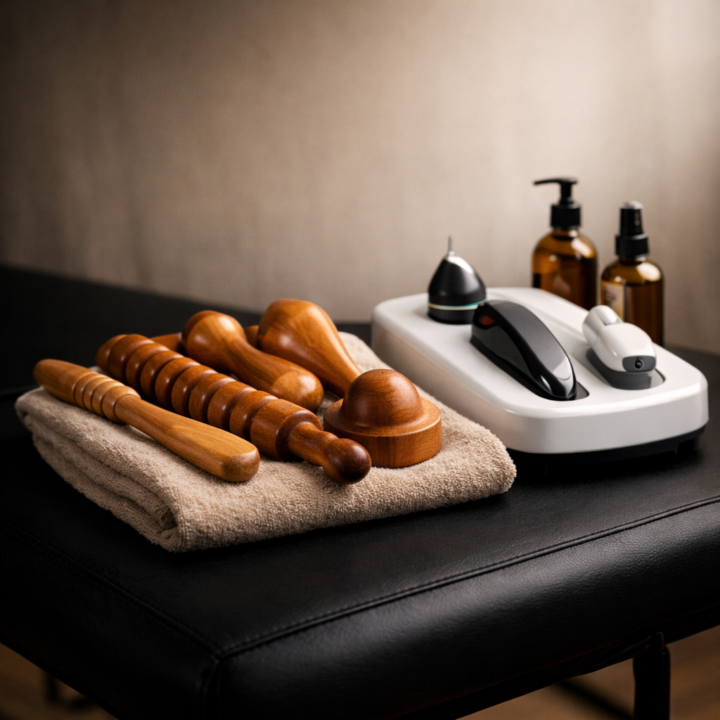
One thing I want to be very clear about in this space is this, tools don’t create results, technique and understanding do. You can have the most expensive machine, the latest tool, or the most popular device on the market, but if you don’t understand: • timing • pressure • healing stages • lymphatic flow • tissue response it won’t work the way it should. I’ve seen practitioners with very basic tools get incredible results because they understand the body. And I’ve seen advanced tools cause problems because they were used without proper knowledge. This is where a lot of confusion comes from in this industry. Tools are just tools. They don’t think, they don’t assess, they don’t adapt. You do. In this community, we’ll be focusing on: – reading the body – knowing when to do less – understanding why something works – and recognising when something should wait If you’ve ever felt unsure whether a tool was right for a client, or felt pressure to buy more equipment instead of learning more, you’re not alone. This space is about clarity, not trends.
0
0
Dec '25 •
Ultimate leg cellulite case study, why timing and variation matter
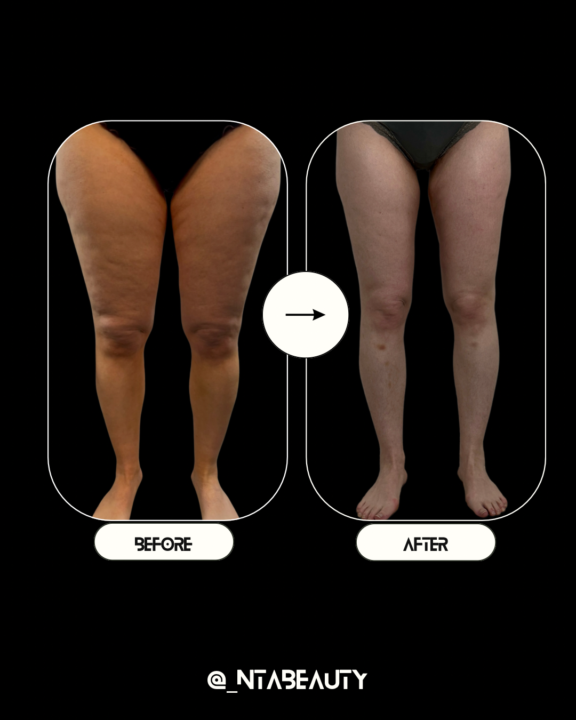
This is a long-term leg transformation that took place over time, not weeks. This client started with me in October 2024 and continued consistently until June 2025. Her legs presented with loose tissue, visible cellulite, uneven texture, and reduced skin firmness. There was no single “magic” treatment used here. Over the months, we worked with a combination of techniques, applied at different stages depending on how her body responded on each visit. These included: • leg sculpting sessions • fat dissolving (lemon bottle) • LED light therapy • wood therapy • cavitation • radio frequency for skin tightening • vacuum therapy Not all treatments were used at the same time. Each session was assessed individually. What we did depended on: • tissue response • firmness vs looseness • fluid retention • skin elasticity • how the legs felt and looked that week Vacuum therapy and wood therapy played a key role over time, particularly in improving texture and circulation, while radio frequency supported skin tightening and cavitation supported fat reduction when appropriate. This client attended weekly from October through to June, and the results shown are the outcome of consistency, correct timing, and adapting treatment to the body, not forcing results. This is why leg cellulite work requires patience, variation, and understanding, not rushed protocols.
0
0
Dec '25 •
A mistake I see that slows healing
One of the biggest mistakes I see is trying to force results before the body is ready. More pressure doesn’t mean better results. More sessions don’t always mean faster healing. More tools doesn’t mean more effective care. The body heals in phases. If you skip those phases or work against them, the body resists. Healing requires: • patience • understanding inflammation • respecting tissue trauma • adapting sessions as the body changes A protocol should never be copied and pasted. Every body responds differently. This is why education matters more than trends. Leave your comments below!
0
0
1-5 of 5
powered by
skool.com/nta-student-body-recovery-8150
A global space for body reading, sculpting technique and post-op recovery education focused on real results, not shortcuts.
Suggested communities
Powered by