Nov 10 • General discussion
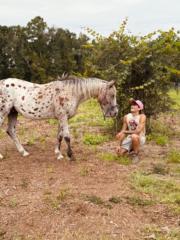
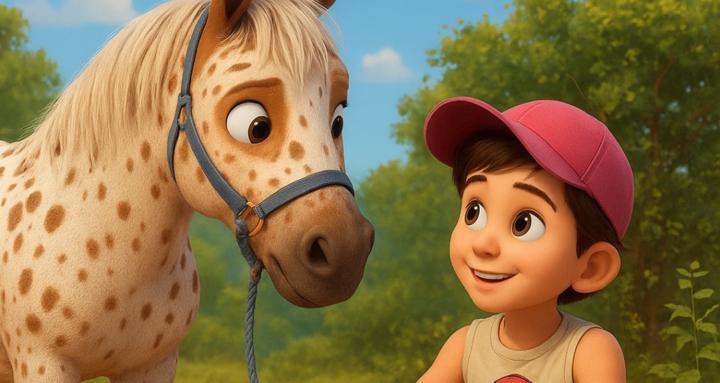
Horses & Mental Health 🐴🧠
“When you walk into the stall, you’re not just meeting a horse — you’re meeting a mirror of your own energy.”
“Horses don’t ask you to talk your problems out. They ask you to show up and they’ll reflect what you bring.”
“Better horsemanship includes better self-care: your state matters just as much as your cue.”
📚 The Science of It
1. Emotional mirroring & feedback
Horses are highly sensitive to human body language, emotional states, and non-verbal cues. They act as “mirrors” of our internal state.
For example, research states:
“Horses are keen observers … they act like a bio-feedback mechanism in their ability to detect a person’s emotional state.”
2. Physiological co-regulation
Studies show during human-animal interaction there can be measurable coupling of heart rate, hormonal responses (like cortisol, oxytocin) and other physiological markers.
This means that when you calm yourself, it can help calm your horse — and vice-versa.
3. Psychological benefits of equine-assisted interaction
From grooming to leading, working with horses has been shown to:
- improve emotional regulation and reduce anxiety/stress.
- boost self-esteem, confidence, sense of achievement.
- provide a safe, non-judgmental space to process feelings and build trust.
4. Caveats & research gaps
- A systematic review found evidence is promising but limited; many studies have small sample sizes and varied designs.
- This means while horses can have strong positive effects, they’re not a guaranteed “cure” — they work best as part of a holistic approach (training + care + mindset).
🧠 Why This Matters for the Horsemanship Community
- If your internal state affects your horse, then your mental-health habits become part of your horsemanship practice. Your presence, energy, and clarity matter as much as your technical skill.
- Horses can help us see ourselves — our guardedness, our tension, our joy, our bad patterns — because they respond to it. When you notice your horse reacting, that’s a signal for you too.
- By prioritising mental wellness (breathing, mindset, rest, reflection), you actually build a better leader for your horse. That’s *no bucks given† horsemanship — you’re showing up for both of you.
🚀 Practical Exercises & Integration
Exercise A: 3-Minute Grounding Before Approach
- Stand next to your horse’s stall or pen.
- Take 3 deep breaths in for 4 seconds, out for 6 seconds.
- Feel your feet on the ground, shoulders relaxed, mind still.
- Then approach your horse in slow, confident steps.
- Observe how they respond: soft ears, head lowering, sniffing?
- Reflect: “What did my body/energy feel like? What did my horse do?”
Exercise B: Mirror the Calm
- Hand graze or free-graze your horse for 5 minutes.
- While doing so, maintain a slow walk, steady breathing, light posture.
- Then intentionally change your state: speed up step, tense shoulders, raise voice (briefly).
- Watch how the horse’s energy changes.
- Reflect: “When I changed, how did my horse change? What did I learn about me?”
Exercise C: Journaling the Horse-Human Feedback Loop
- After your session, write: What emotion I brought today was ____. My horse responded by ____. One thing I will do next session to bring more calm is ____.
- Share one insight in the community to build awareness together.
📝 Reflection Prompts for the Community
- Have you ever noticed your horse acting differently (tense, reactive, shut down) and realised you were feeling that way first?
- What one small habit can you change this week (breathing, posture, presence) to show up better for your horse?
- How has interacting with your horse helped you outside the barn (confidence, calm, clarity)?
✅ Key Take-Home Message
Your horses aren’t just machines for riding — they’re partners in emotional and mental work. When you bring calm, clarity, and presence, you give them—and yourself—the chance to heal, grow, and connect.
“We don’t just ride horses. We become better when we ride with awareness.”
0
0 comments
Horses & Mental Health 🐴🧠
powered by
skool.com/no-bucks-given-hoofcamp-6560
Here we are Empowering horse owners to train with heart, build bonds, and find joy in horsemanship—no bucks, just better rides! So saddle up Buckaroo
Suggested communities
Powered by