
Write something
Pinned

Oct '25 •
What are your kids into right now? Let’s build around it!
Hey everyone 👋 Quick check-in for all our home-ed parents and curious minds. We’re planning our next round of NeuroLearn resources, and I’d love to know what your kids are currently learning about (or obsessed with 😅). Whether it’s: 🦖 Dinosaurs or Greek myths 🪴 Gardening or geology 🎮 Game design or graphic novels 🧪 Chemistry, coding, castles or something totally random… Drop it in the comments below ⬇️ — the more specific, the better! If there’s a topic your child loves (or one they need help engaging with), we’ll see what we can develop to support it. Let’s make this term’s learning fit the kids, not the curriculum. 💡

Pinned
Nov '25 •
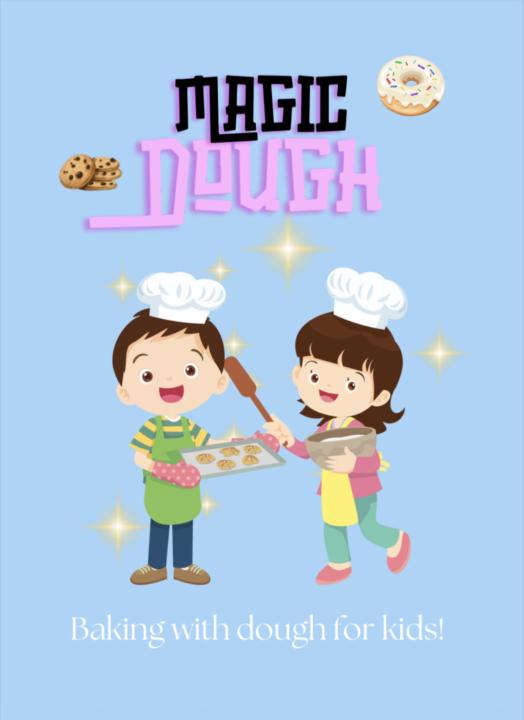
🍞 Surprise Upload! Magic Dough — Baking with Dough for Kids 🍕
We’ve officially rolled out something new (pun very much intended). Introducing Magic Dough: a beautifully simple, hands-on baking guide for kids that mixes science, history, and practical life skills into one delicious learning adventure. Inside, you’ll find: ✨ The history and science of dough 🍕 A child-friendly pizza dough recipe + lots more 🍩 Fun facts about doughnuts and cookie dough 🥐 A checklist of creations to try from bread to beignets! This one’s perfect for home-ed days, life skills sessions, or just for fun weekends in the kitchen. It teaches measuring, sequencing, reading comprehension, and a sprinkle of independence, all through something every kid loves: food. Find it now under Classroom → Life Skills Tag me when you try it - I’d love to see your bakes! 🧁💖 This class doesn’t have an age requirement or limit. You can use it as a guide for younger children, or as an independent study workbook for older children - though I highly recommend getting hands-on with this one and really have fun with it. Who knows, maybe you’ll discover their passion for baking & cooking! I’m a 4th generation baker, my mother, grandmother & great-grandmother were or are avid bakers. I’ve been stirring spoons and licking the bowl since I was big enough to hold it. I’m fully confident these recipes are at the beginner level, easily adapted (go on, throw in some chocolate chips) and not too much mess is made - most of the time! Above all - have fun!
2
0
Pinned
Aug '25 •
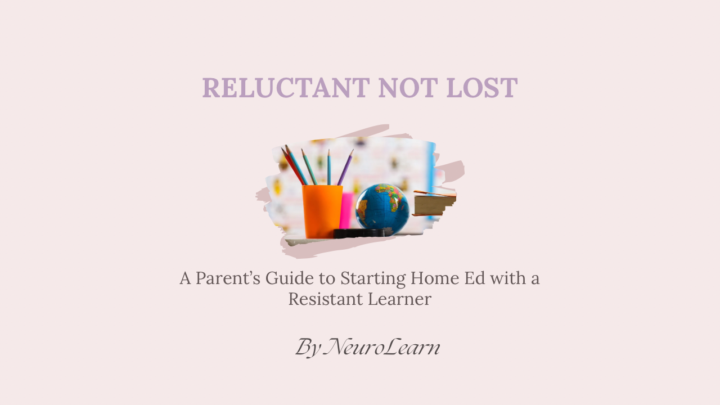
Reluctant Learners? 👇🏻 See Here
Even if they say “I’ll do it” or “please, please I really want it”, it doesn’t always happen with Home Ed. Sometimes they beg and plead and tell you how bad school is, and you might have school on the phone telling you how disruptive your child is, or that they just won’t concentrate, or they’re defiant, argumentative, or worse… not attending at all. At some point we have to listen. Choose to listen to your child. Choose support, find out what works for them. If you chose to Home Educate, you’re thinking about it or you just want to look closer at problem areas to figure out what’s going on - try our Reluctant learner workbook. Inside the guide you’ll find: - A “Why School Didn’t Work” worksheet - A full learning profile builder - A tool to help spot hidden patterns and support needs - Tips on building structure without replicating school - A tracker for small wins (like “asked a question” or “read something new”) - Plus a day-planner template that works for kids who struggle to focus And more! It’s not a magic fix, but we’re using it ourselves and I have to say before, it was an absolute nightmare. 20% attendance, zero desire to learn. But… Two weeks in & we were smashing it! We got a full 3 months of focused brilliance because we took the time to figure out what was right for our child. Take the time, for them and for yourself. You’ll appreciate it later 🫶🏻
2
0
Nov '25 •
💡 Can I suggest a topic or course?
Yes, please! Go to the Ask Anything space in the Community and tell us what you’d love to see next. NeuroLearn grows with your ideas.
Nov '25 •
🧠 Finding Your Teaching Style for Parents
(There’s no wrong way — only the way that works) Every parent starts home education wondering: “Am I doing this right?” Spoiler: there isn’t one “right.” There are just different ways to do it — and the magic happens when you find the one that fits your family. Here are a few styles you can mix, match, or reinvent: 🎯 1. Structured Learning You like clear plans, printed worksheets, and ticking boxes. It’s predictable, easy to measure progress, and keeps everyone on track. Best for: kids who like routine or parents who need a roadmap. Tip: build in mini “free choice” breaks so it doesn’t feel like school 2.0. 🌿 2. Unschooling The opposite of structure — child-led, interest-driven, and often spontaneous. Learning happens through life, projects, and curiosity. Best for: creative thinkers and kids who learn by doing. Tip: keep a loose record of what you cover — you’ll be amazed at how much learning happens naturally. 🧩 3. Thematic Learning Pick a topic and run with it across subjects — “Space” becomes science, art, maths, and writing all in one. Best for: kids who love deep dives and connections. Tip: use your child’s interests (dinosaurs, trains, baking) as starting points. 🪴 4. Eclectic (aka “Real Life”) A mix of everything — some structure, some freedom, some chaos, some brilliance. You use what works and drop what doesn’t. Best for: most families, honestly. Tip: stop apologising for being “inconsistent.” You’re being adaptive. 🔄 5. Montessori / Charlotte Mason / Classical (etc.) These are established philosophies with their own structures and rhythms. You can borrow what resonates without committing to the whole system. Best for: parents who like a framework but want flexibility. Tip: start with one small idea (like nature journaling or hands-on tasks) before diving into full curricula. ✏️ The Bottom Line You don’t have to pick a single label. You’re allowed to change approaches, mix methods, and experiment until it feels like you.
0
0
1-30 of 37
powered by
skool.com/neurolearn-1664
Neurodivergent-led learning for life.
Courses, guides & support for unmasking, self-regulation, home ed, & life skills built for ADHD, autism & beyond
Suggested communities
Powered by