Jumps With Purpose: Confidence, Advocacy, Independ
It’s not “just jumps.” It’s a full preschool water-safety progression: wall travel, body position, advocacy, and independent recovery.
0%
Breath Control & Retrieval: Preschool Progression
Comfort first: bubbles, a simple “mission,” and a big confidence win—high five included. Bubbles before goggles. Calm breath, confident submersion, independent retrieval.
0%
Board-Under-Core
Board-under-core training looks “wrong” until you understand what it builds. In this video I explain why I use it to strengthen trunk control, fade support fast (without carrying the swimmer), and practice the most overlooked water-safety skill: horizontal ↔ vertical transitions. Then I show how I turn wall poppers into a simple, child-led circuit for reps.
0%
Special Needs: Floating
A quiet-pool, calm-first supported back float with a special needs swimmer. This lesson shows how to use low stimulation, optional “security” equipment, co-regulation, counting, and a clear horizontal → vertical recovery to build trust and real water-safety skill—without forcing or flooding the child.
0%
From Bubbles to Glide (Beginner Swim Progression)
This series shows how to teach a beginner (especially a teen) slow on purpose—because slow builds trust, body control, and real progress. We start with surface blowing, move into floating with exhale, build trunk strength with leg lifts, then layer in fall-and-glide using support tools before upgrading to a kickboard glide (more core demand).
0%
Voluntary Submersion + Core Travel Drill
What looks like “just playing on the steps” is actually intentional swim readiness: he chooses to go under (no forcing), retrieves an object, then walks through chest-deep water to complete a task—building the core control that keeps hips up and kicks from sinking. Mom is on deck watching the whole time.
0%
Back to Belly
If your swimmers “bike” their legs, sink their hips, or fall apart during transitions—this is the fix. Back to Belly teaches one repeatable drill chain (back glide → kick → flip → front kick) that builds core strength and clean kicking without forcing or over-coaching.
0%
Unlock for $2
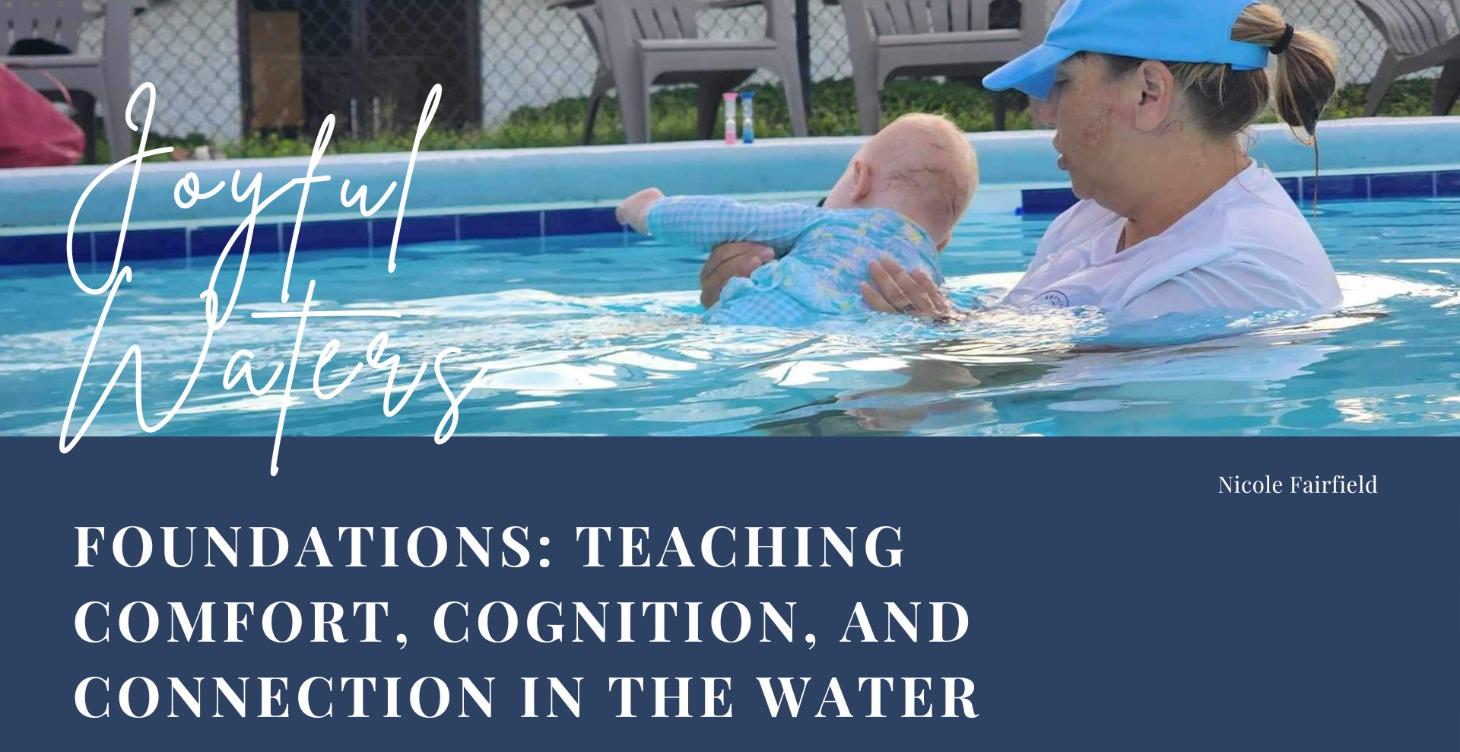
Joyful Waters Foundations
Lead smarter, not harder.
Joyful Waters Foundations introduces a next-generation, evidence-based model for water education built on emotional safety, cognitive science, and trauma-aware communication. Learn to create confident, joyful swimmers through trust and cooperation—not control—and give your staff a framework that transforms teaching, retention, and team culture.
0%
Joyful Waters First Splash and Aqua Explorers
Child-Led Water Confidence & Emotional Safety
Because safety begins with trust — and trust begins with joy.
0%
Positioning & Regulation in the Water
Body, Breath, and Trust: How Positioning and Regulation Work Together in Water Learning.
0%
How We Repattern Survival-Trained Swimmers
Across the industry, we meet children who’ve been through survival-style programs.
They’ve learned to roll, float, and hold — and in many cases, those skills have saved lives.
But as these same children grow, we often see the other side: rigidity, fear, or confusion when asked to move, breathe, or explore differently.
This post isn’t about what went wrong. It’s about what comes next.
0%
Encouraging Independence and Autonomy in the Water
Help instructors and aquatic leaders understand the developmental needs of children ages 3–4 and learn how to use their natural curiosity, autonomy, and imagination to build water confidence.
This course blends developmental psychology, play theory, and practical lesson design so that independence becomes part of every swim experience—not an accident that happens when adults step back.
0%
The Psychology of Presence
Why it matters: Sets your tone right away. Not just about being there physically, but showing up ethically and responsibly in roles where safety is on the line.
• Audience: Lifeguards, instructors, managers, rec leaders.
• Takeaway: Students learn how their presence influences safety outcomes, trust, and authority.
0%
Effective Communication in High-StakesEnvironments
Equip aquatic and recreation professionals with communication skills that prevent accidents, resolve conflict, and sustain calm under pressure.
0%
CognitiveDefusion Untangling Thought from Identity
Stop letting overthinking steal your confidence. In this course, you’ll master the skill of stepping back from your thoughts so you can respond—not react—when pressure hits. Build the calm focus that keeps great leaders composed in chaos and clear in communication.
0%
Emotional Intelligence for Leaders & Instructors
Lead people, not just programs—empathy, awareness, and steadiness are your real credentials.
0%
Building a Trauma-Aware Learning Environment
Teach safety without fear — create learning spaces where every body and every story belongs
0%
Trauma-Aware Aquatics: Teaching with Presence
Learn to teach from calm, not control—trauma-aware tools for safer, more connected swim instruction.
0%
Autism-Aware Aquatics
Designed for aquatic leaders, directors, and coordinators who want to create safer, more inclusive programs for neurodiverse swimmers. Learn how to design calm, predictable lesson environments, reduce sensory overload, and lead teams that support every swimmer with empathy and structure—not pressure.
0%
Why Swimming Works for ADHD Brains
Understand why swimming is one of the most effective movement therapies for children and adults with ADHD, and how instructors can intentionally use that knowledge to improve focus, rhythm, and regulation in the pool
0%

Child-Led Learning in Aquatics
This course teaches you the child-led approach that transforms swimming lessons from rushed, fear-based instruction into calm, confident, skill-building experiences children actually enjoy.
You’ll learn how to observe before you teach, follow nervous-system readiness cues, use invitational language, support emotional safety, and guide children through natural movement progressions that lead to real water skills — without forcing, crying, or dunking.
0%
When Good Messaging Misses the Deeper Lesson
When Good Messaging Misses the Deeper Lesson: Teaching Comfort Without Pressure
Many instructors and swim programs share well-meaning advice like “Start now, start small, stay consistent.” But even the best intentions can miss the emotional core of water comfort.
This course helps instructors and aquatic directors learn how to evaluate messaging, support parents with trauma-aware language, and align teaching with true love and respect — not pressure or performance.
0%
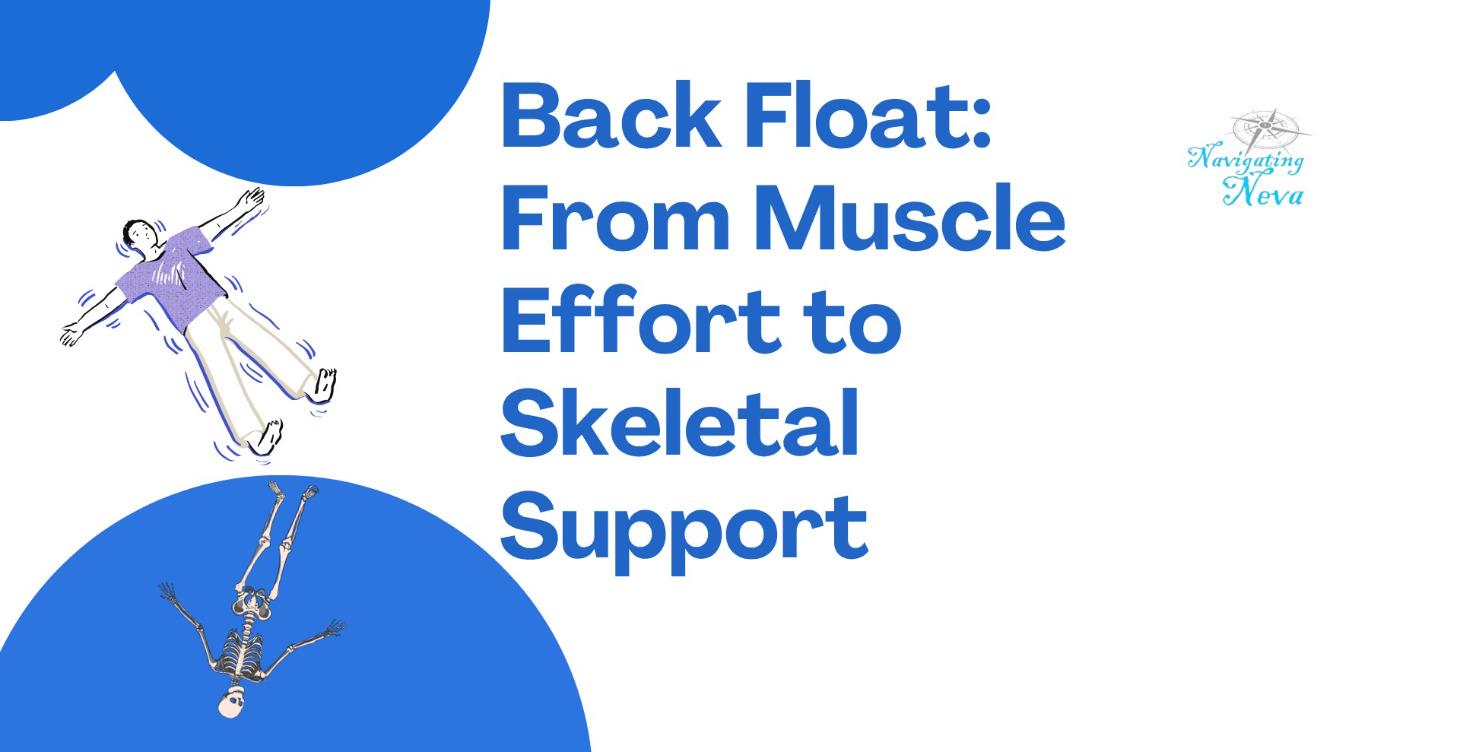
Back Float: From Muscle Effort to Skeletal Support
When instructors say belly up, they often mean “lift the hips,” but anatomically it’s the wrong chain of command. If the student thinks about pushing their stomach to the sky, they usually contract the abdominals and hip flexors — which actually pulls the body into slight flexion. The spine shortens, the ribs drop, and the head tends to tilt forward. That’s the opposite of what we need for buoyancy. Lets dive deeper...
0%
The Aquatic Educator's Edge
Unlock the power of rapport in the water. This course explores human behavior, non-verbal cues (neuroception), and emotional intelligence to transform instruction. Learn to master influence, build instant trust (mirroring), and guide swimmers past fear using tone, timing, and intentional body language. Move beyond technique to teach with presence and safety.
0%
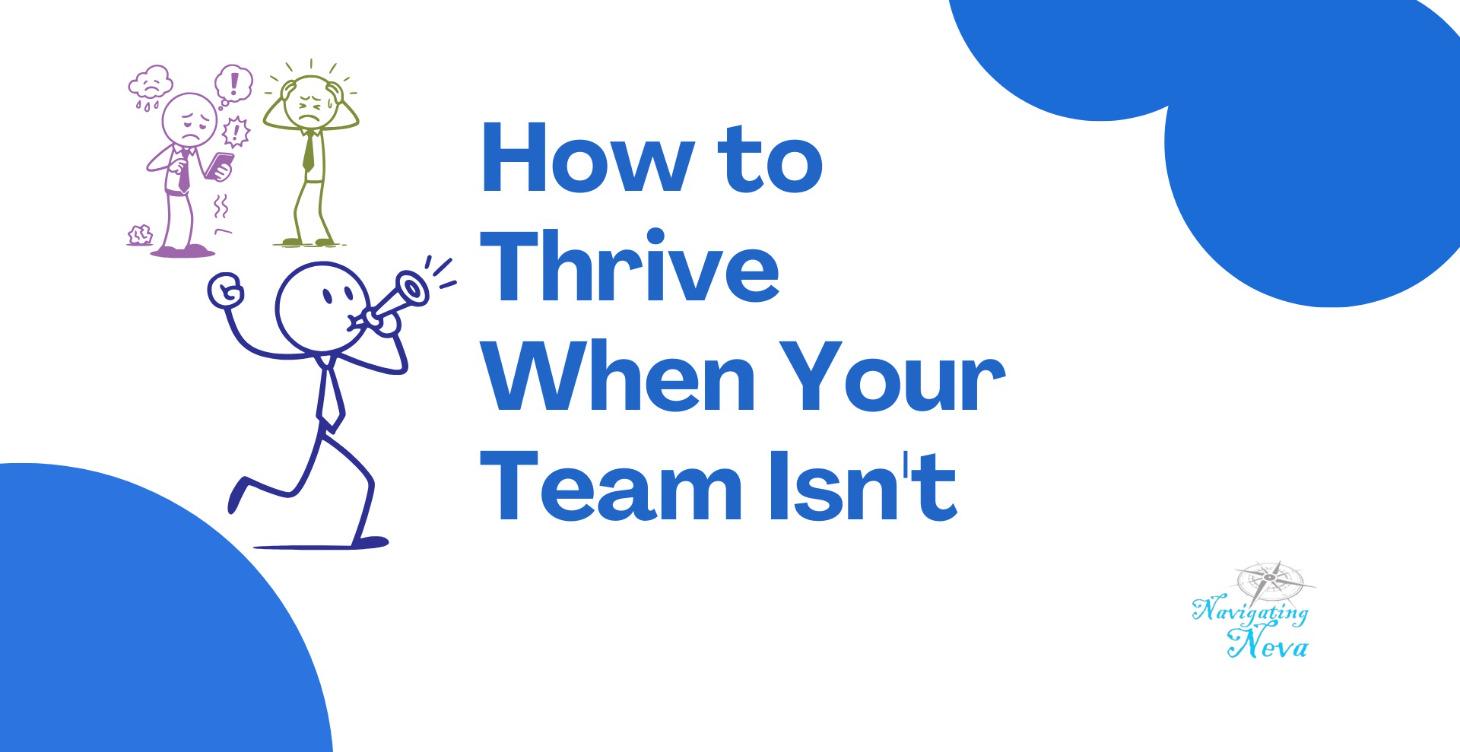
How to Thrive When Your Team Isn't
Every team has a Roger (coasting beneath his lid) and a Monica (potential hitting a ceiling). Based on The Law of the Lid, this course teaches you how culture is shaped by every seat. Learn self-awareness, emotional regulation, and boundary setting to stay sane and effective, even when your teammate isn't pulling equal weight. Raise your own lid regardless of the environment.
0%
Behavior & Safety Culture on Your Pool Deck
High performers often say “I’ve got it” even when they’re stretched thin. In aquatics, that instinct keeps things running smoothly—until it doesn’t. This post explores how understanding human behavior can shape leadership, communication, and safety culture so every “I’ve got it” truly means the team is supported.
0%
Relational Regulation for Aquatic Professionals
Help aquatic professionals recognize their own nervous-system states, practice self-regulation, and apply relational intelligence to teaching, teamwork, and crisis response.
0%
My Take Aways from Heavy or Not with Coach Steve
Enjoyed Mark's Heavy or Not's "Was Illegal, Now Genius? This Backstroke Move Is Finishing Fast" with Coach Steve Friederang. This is my recap, my take away and my notes.
0%
Culture Turnaround
Turning any low-performing or disengaged aquatics or recreation department into a purpose-driven, high-functioning team.
0%
The Confident Aquatic Professional
Speaking, Leading & Trusting Yourself
0%
1-30 of 91