
Write something

Nov '24 •
Holistic Medicine? A Guide to Whole-Person Healing 🌿
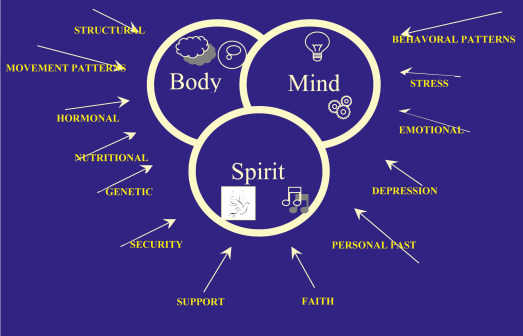
Holistic medicine offers a transformative approach to health, treating individuals as whole beings—mind, body, and spirit—rather than focusing solely on isolated symptoms. Rooted in the philosophy of interconnectedness, holistic medicine acknowledges that true wellness comes from balancing every aspect of a person’s life. In this blog, we’ll break down the core principles of holistic medicine and explore how this approach can lead to a healthier, more fulfilling life. 1. The Core Philosophy of Holistic Medicine Holistic medicine centers on the idea that all parts of a person’s life are deeply interconnected. Physical health, emotional well-being, mental clarity, and spiritual fulfillment all influence one another. For instance, stress might manifest as physical ailments, while poor nutrition could lead to emotional instability. By addressing these connections, holistic medicine promotes harmony and long-term health. 2. Treating the Root Cause, Not Just the Symptoms Unlike conventional medicine, which often focuses on managing symptoms, holistic medicine seeks to uncover and treat the underlying causes of illness. This approach takes into account factors like lifestyle, environment, and emotional health to provide a comprehensive treatment plan that encourages lasting recovery. 3. The Role of the Patient-Practitioner Partnership Holistic medicine emphasizes collaboration between the patient and the practitioner. Patients are encouraged to take an active role in their health journey, making informed decisions and adopting healthy habits. This partnership fosters empowerment and a deeper understanding of one’s own health. 4. Holistic Practices for Everyday Wellness Holistic medicine employs a wide range of practices to restore balance and enhance well-being. Some of the most common include: Herbal Remedies: Using natural plant-based treatments to support healing. Nutrition Counseling: Emphasizing whole, nutrient-rich foods tailored to individual needs. Mind-Body Practices: Incorporating mindfulness, meditation, and yoga to reduce stress and improve focus.
0
0
Nov '24 •
What Is Holistic Health and Why It Matters 🌿
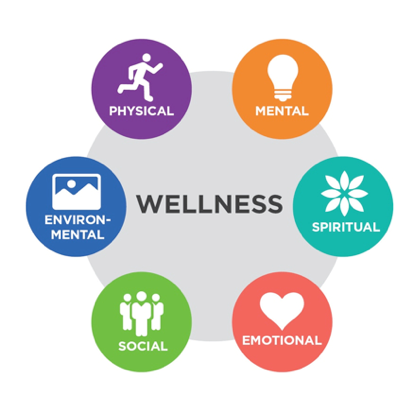
In today’s fast-paced world, finding balance can often feel like a challenge. This is where holistic health steps in—a philosophy that focuses on aligning the mind, body, and spirit to achieve overall wellness. Unlike conventional medicine, which often focuses on treating symptoms, holistic health looks at the person as a whole, addressing the root causes of imbalance and working to restore harmony. So, what does holistic health entail, and how can it transform your life? Let’s explore the key components of this powerful approach to well-being. 1. The Foundations of Holistic Health At its core, holistic health operates on the belief that all parts of a person’s life are interconnected. Physical health cannot be isolated from mental clarity, emotional resilience, and spiritual fulfillment. For instance, chronic stress might lead to physical ailments, while poor nutrition can influence emotional health. By understanding and addressing these connections, holistic health provides a pathway to comprehensive well-being. 2. Physical Wellness: The Starting Point While holistic health encompasses more than the physical body, maintaining physical wellness is an essential foundation. This involves proper nutrition, regular exercise, adequate sleep, and preventive care. Rather than just managing illness, holistic health prioritizes keeping the body in optimal condition to avoid disease altogether. 3. The Power of Emotional Balance Emotional health is just as important as physical health. Unresolved emotional stress or trauma can manifest in physical symptoms, such as tension headaches or digestive issues. Holistic health encourages practices like mindfulness, therapy, or journaling to process emotions and maintain balance. By acknowledging and addressing feelings, individuals can create a more stable and harmonious emotional state. 4. Mental Clarity and Mindset The mind is a powerful tool in shaping health outcomes. A positive mindset and mental clarity can enhance physical healing and emotional resilience. Holistic health practices such as meditation, visualization, and cognitive-behavioral techniques help individuals cultivate focus and reduce stress, creating a healthier mental state.
0
0
Nov '24 •
The Principles of Holistic Medicine: A Path to Wellness 🌿
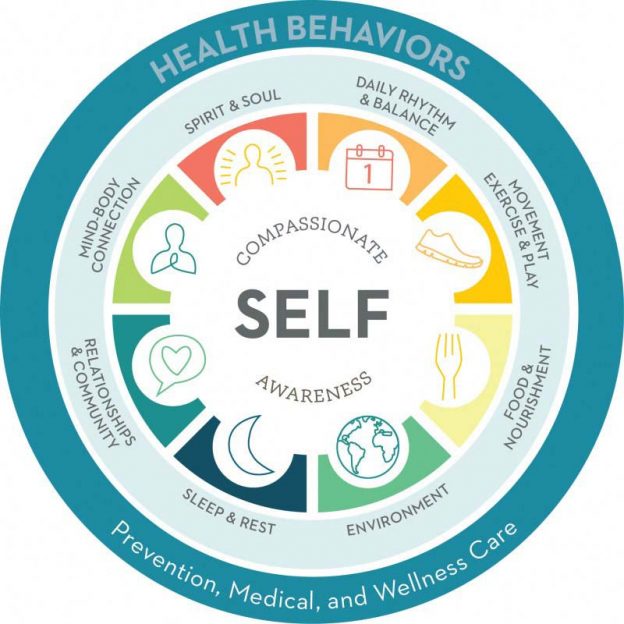
Holistic medicine offers a refreshing perspective on health, focusing on the whole person rather than isolated symptoms. Unlike conventional approaches that often treat symptoms as standalone issues, holistic health integrates the body, mind, emotions, and spirit into a cohesive understanding of wellness. This philosophy recognizes that all aspects of a person’s life are interconnected, and achieving balance across these areas is key to optimal health. So, what exactly does holistic medicine encompass? Let’s dive into the core principles that make this approach so transformative. 1. Healing the Whole Person At its heart, holistic medicine emphasizes treating the person, not just the disease. This means looking beyond physical symptoms and considering mental health, emotional well-being, and spiritual fulfillment. For example, stress can manifest as physical pain, and emotional trauma might affect digestion or immunity. By addressing the root cause of discomfort, holistic health aims for lasting recovery and balance. 2. Preventative Care Over Quick Fixes Rather than waiting for illnesses to develop, holistic practitioners encourage preventative care. Lifestyle habits, diet, exercise, and mental health management are central to keeping the body strong and resilient. This approach empowers individuals to take charge of their health, fostering habits that minimize the risk of chronic diseases. 3. The Mind-Body Connection Holistic medicine firmly believes in the power of the mind to influence physical health. Stress, anxiety, and negative emotions can weaken the immune system and lead to physical ailments. Conversely, mindfulness, meditation, and positive thinking can support healing and enhance overall well-being. This principle encourages practices that nurture mental clarity and emotional balance, such as yoga, journaling, or gratitude exercises. 4. Individualized Care No two people are alike, and holistic medicine honors that truth. Treatment plans are tailored to each individual, considering unique needs, preferences, and lifestyles. This personalized approach ensures that care is effective and aligned with the patient’s goals and values.
0
0
Nov '24 •
🌍 "Natural Remedies That Work – Your Go-To Solutions"
Got a favorite natural remedy for stress, sleep, or a cold? Share your wisdom and let’s create a resource bank for everyone!
0
0
Nov '24 •
🌻 "Your Holistic Morning Routine – Let’s Compare Notes!"
How do you start your day? Share your morning rituals, from affirmations to smoothies, and inspire others to level up!
0
0
1-7 of 7

skool.com/natural
Unlock exclusive secrets to transform your health with proven, revolutionary tips. Join now to maximize your wellness and boost vitality!
Powered by