
Write something
May 21 •
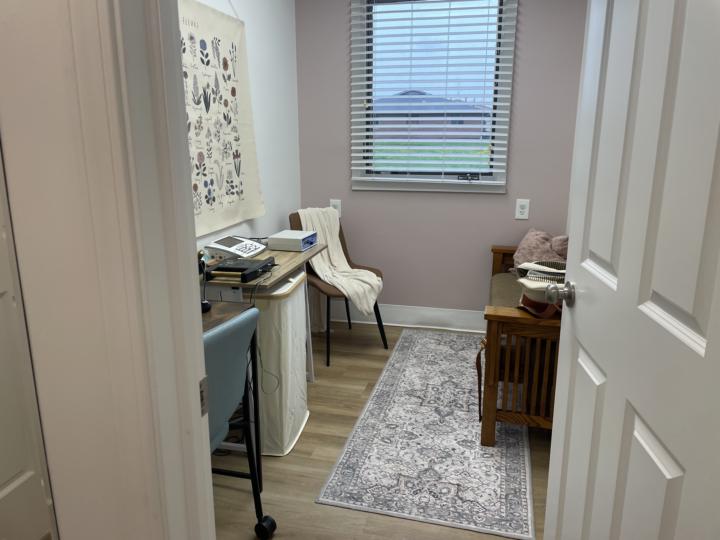
New Home Office
Here’s a look at my Home Office! Still have a few things to add, but it is coming along!

Apr 15 •
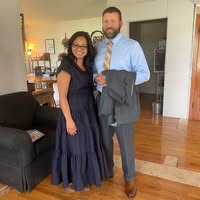
Another Wednesday at the office!
Another small thing I’ve been working on lately is my clothes- slowly swapping out synthetic pieces for natural fibers like cotton, linen, and wool. Silk and I just don’t get along… my lifestyle isn’t exactly silk-friendly. 💁🏻♀️ They are out there, I’ve gotten most of my clothes from thrift stores, though this is a TJ Max outfit. Replacing one item, one outfit, with another. Have I arrived yet? No. Small steps here. You’d be surprised how much the body is affected by the fabric touching your skin- and no, this isn’t a conspiracy. Just another area the Lord has been teaching and guiding me in. What about you? Have you gone down the fabric rabbit hole yet?
1
0
Oct '25 •
Introduction!
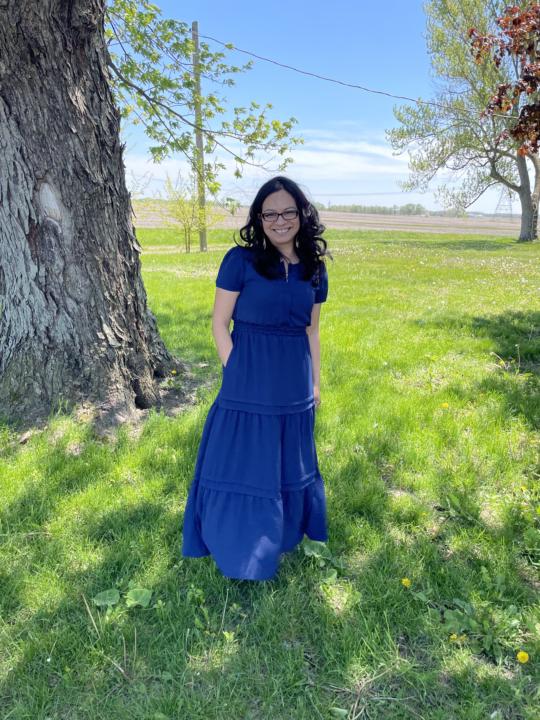
Hi, I’m Flower M. Webb, ND Founder of Made Whole: Spirit, Soul & Body Most people just call me Flower—a name that naturally blossoms from my given name, Flor. I like to joke, “If you can’t roll the ‘r,’ just call me Flower.”☺️ I’m a follower of Jesus, a happy wife, and the proud mom of seven amazing children. My life is deeply rooted in faith, purpose, and a calling to bring hope and healing wherever God leads me. I’m a Naturopathic Doctor (ND), a Certified Bionetic Naturopathic Counselor, and a Certified Trauma-Informed Practitioner. I’m currently working toward my Personal Trainer certification and plan to study Functional Medicine in the coming year. I truly believe in lifelong learning and equipping others to thrive in body, soul, and spirit. My approach to wellness is Christ-centered, compassionate, and holistic. I love creating a safe space where people can heal and grow—integrating naturopathic principles, bioenergetics, trauma-informed care, and faith-based lifestyle coaching. My goal is to help others embrace God’s original design for health and wholeness. As the founder of Made Whole: Spirit, Soul & Body, I draw inspiration from 1 Thessalonians 5:23 (KJV): “And the very God of peace sanctify you wholly; and I pray God your whole spirit and soul and body be preserved blameless unto the coming of our Lord Jesus Christ.” This verse captures the heart of my mission: to help others pursue complete wellness through natural, biblically aligned principles. Alongside my family, we are also developing a wellness farm—an extension of our ministry and a peaceful place where people can reconnect with creation, find rest, and experience God’s healing presence. Whether I’m meeting one-on-one, or sharing encouragement online, my mission remains the same: to glorify Christ and guide others into the wholeness, freedom, and healing found in Him. I’m so excited to be here and to learn from you all. I’d also love to invite you to join me on my Skool community—it’s still a work in progress, but my prayer is that what I share there will be encouraging and valuable to you. If I can ever be of help, please don’t hesitate to reach out. I’d love to connect and walk alongside you on your wellness journey.
Apr 10 •
Faith: The Anchor Within
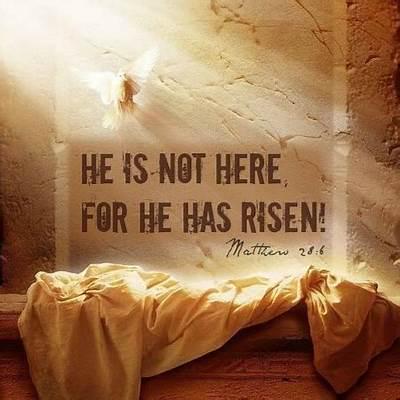
Faith: The Anchor Within Faith is not just belief—it is personal. It is not a checklist of things you do right or wrong. It is not measured by how perfect you appear or how much you accomplish. Faith is a relationship—quiet, personal, and real—between you and Jesus. And the truth is, many of us struggle here. We try to do all the “right” things. We try to be strong. We try to hold everything together. But without faith—real, personal faith—everything else begins to feel empty. “But without faith it is impossible to please him: for he that cometh to God must believe that he is, and that he is a rewarder of them that diligently seek him.” Hebrews 11:6 (KJV) God is not asking you for perfection—He is asking for your heart. A Personal Journey, Not a Performance Faith becomes real when it becomes personal. It’s in the quiet prayers no one else hears. It’s in the moments you choose to trust when nothing makes sense. It’s in surrendering control, even when it feels uncomfortable. This journey is not about earning your way to God—it’s about walking with Him. “Come unto me, all ye that labour and are heavy laden, and I will give you rest. Matthew 11:28 (KJV) You don’t have to have it all together. You just have to come. Why Easter Makes This Personal Easter is not just a story—it is an invitation. Jesus didn’t just die for the world- He died for you. He didn’t just rise again for humanity—He rose so you could have life, personally and eternally. “But God commendeth his love toward us, in that, while we were yet sinners, Christ died for us.” Romans 5:8 (KJV) He sees you fully—your doubts, your struggles, your questions—and He still chose the cross. “For I delivered unto you first of all that which I also received, how that Christ died for our sins according to the scriptures; And that he was buried, and that he rose again the third day according to the scriptures:” 1 Corinthians 15:3–4 (KJV) His death was personal. His sacrifice was intentional. His resurrection is your hope.
0
0
Apr 6 •
Made Whole
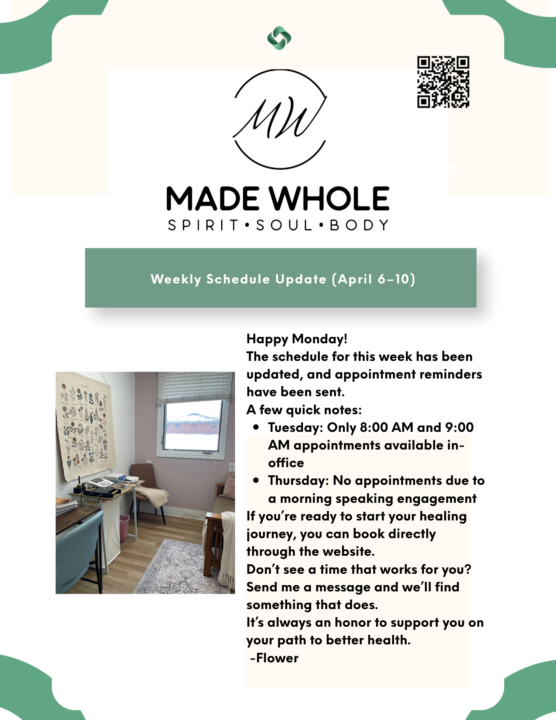
This week’s schedule has been updated, take a look and see what works for you. Feel free to share- someone you know may be ready to begin their own health journey. -Flor M Webb, ND www.madewhole.llc
1
0
1-30 of 62
powered by
skool.com/made-whole-9441
Educational wellness content focused on root-cause insight, nervous system support, and honoring each body’s unique healing journey.
Suggested communities
Powered by