Learn the Basics
Understand what fly fishing is, including its unique techniques and gear. Familiarize yourself with basic terminology and concepts to build a solid foundation.
0%
Research and Select Gear
Select the appropriate fly rod, reel, line, leaders, and tippets based on your target fish and fishing conditions. Start with versatile and beginner-friendly options.
0%
Casting Practice
Learn and practice basic casting techniques, starting with the overhead cast. Improving casting distance and accuracy is crucial for effective fly presentation.
0%
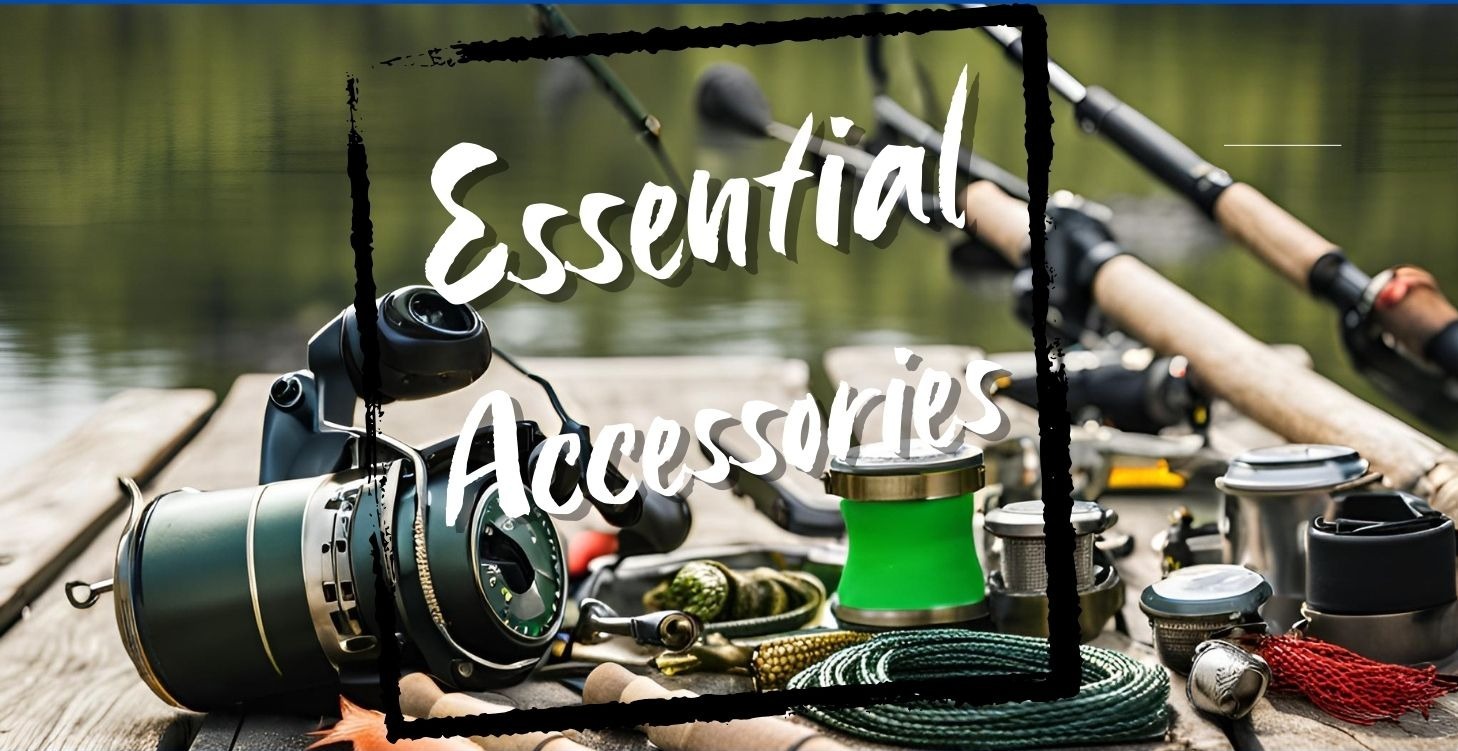
Acquire Essential Accessories
Get necessary gear such as waders, boots, vests, and packs for carrying your tackle and tools. Ensure you have essential tools like nippers, forceps, and fly boxes.
0%
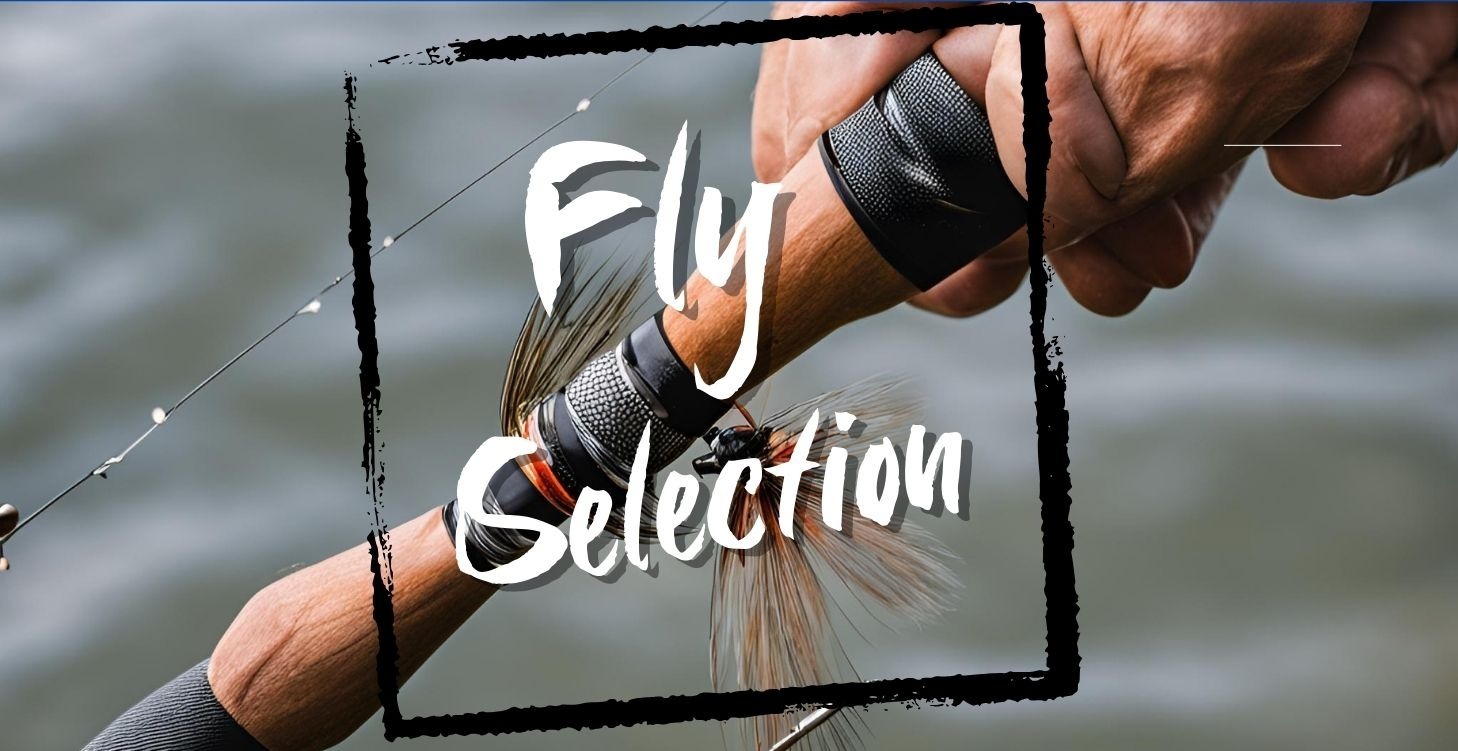
Learn About Fly Selection
Understand different types of flies (dry flies, wet flies, nymphs, streamers) and how to choose them based on local insect life and fishing conditions.
0%
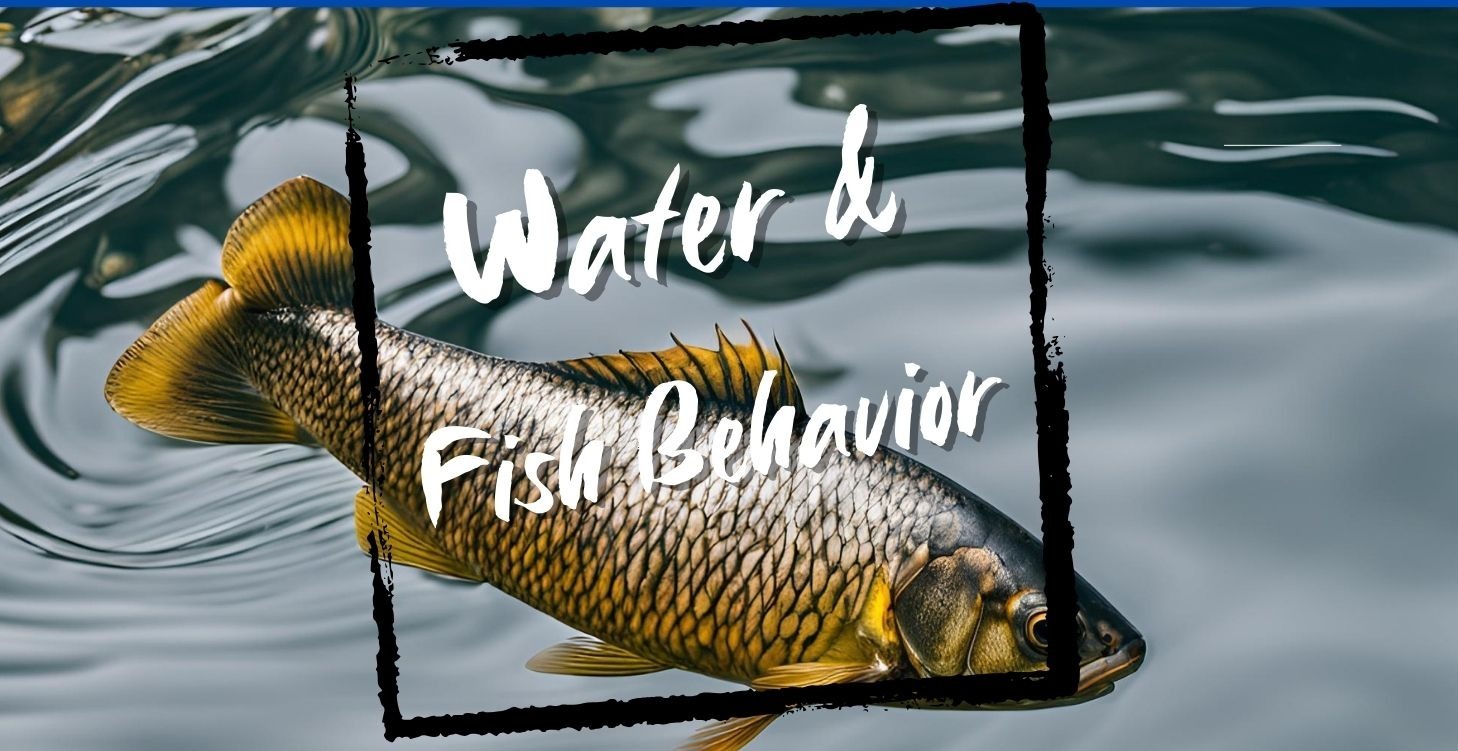
Study Water and Fish Behavior
Learn how to read water to identify where fish are likely to be and understand fish behavior to increase your chances of a successful catch.
0%
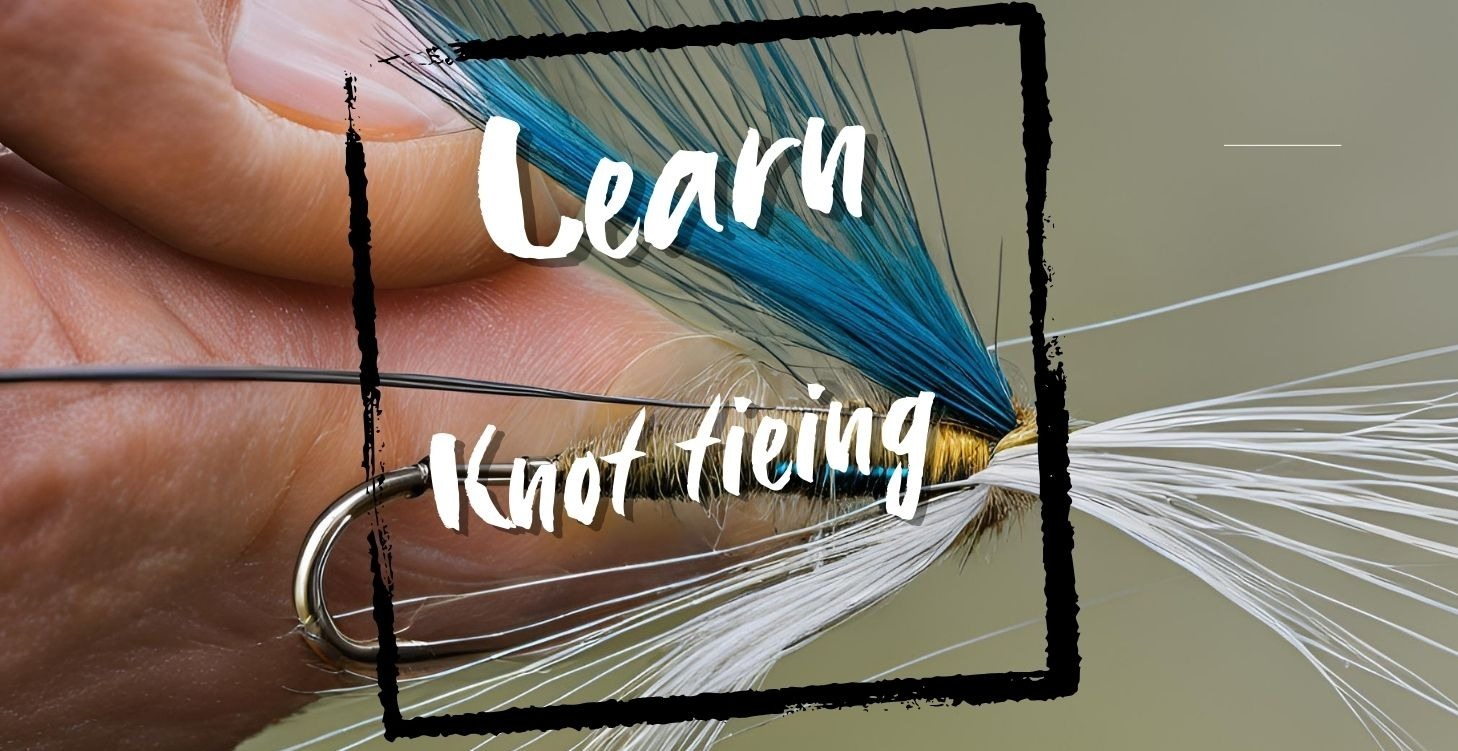
Learn Knot Tying
Master essential knots for fly fishing, such as the improved clinch knot, loop knot, and nail knot, to ensure your gear is secure and effective.
0%
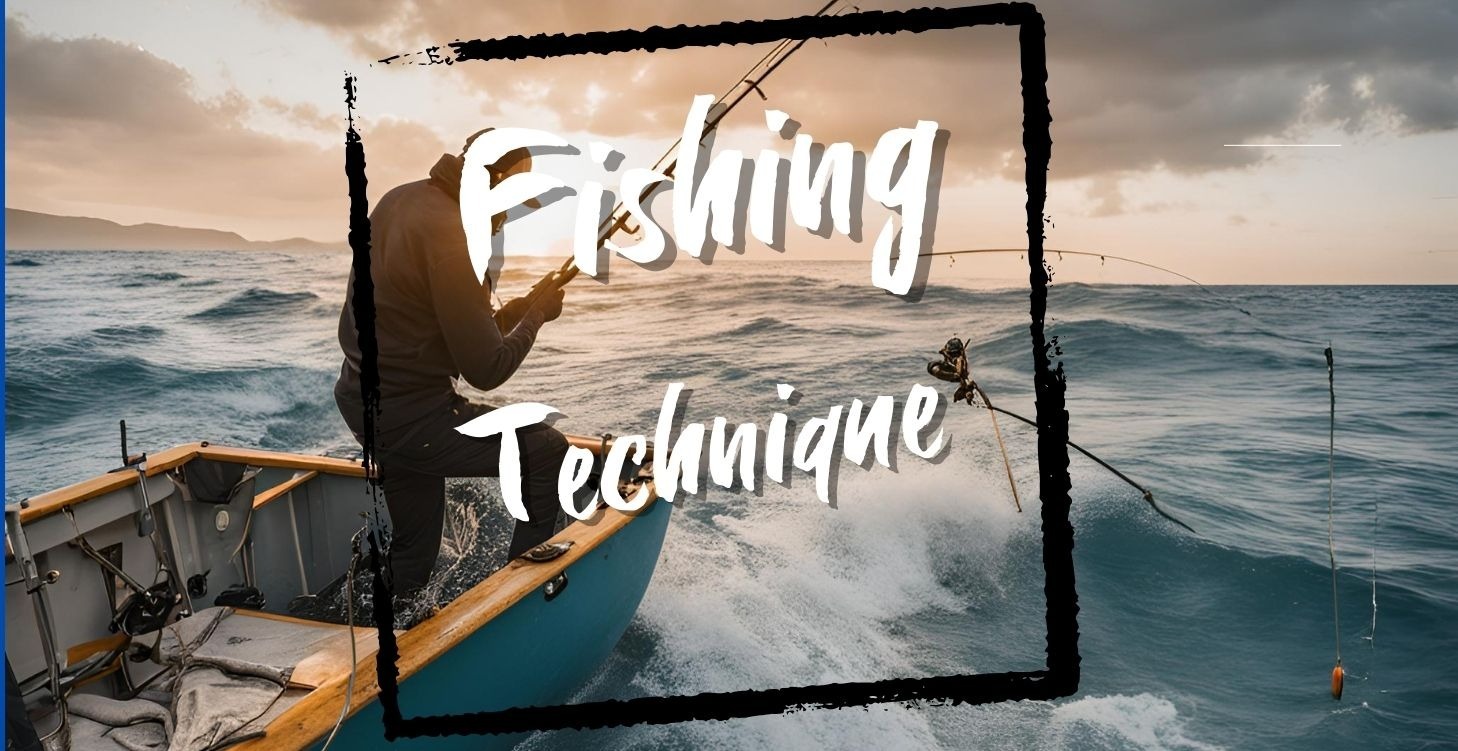
Fishing Techniques
Learn various fly fishing techniques, including dry fly fishing, nymphing, and streamer fishing. Practice presenting the fly naturally to attract fish.
0%
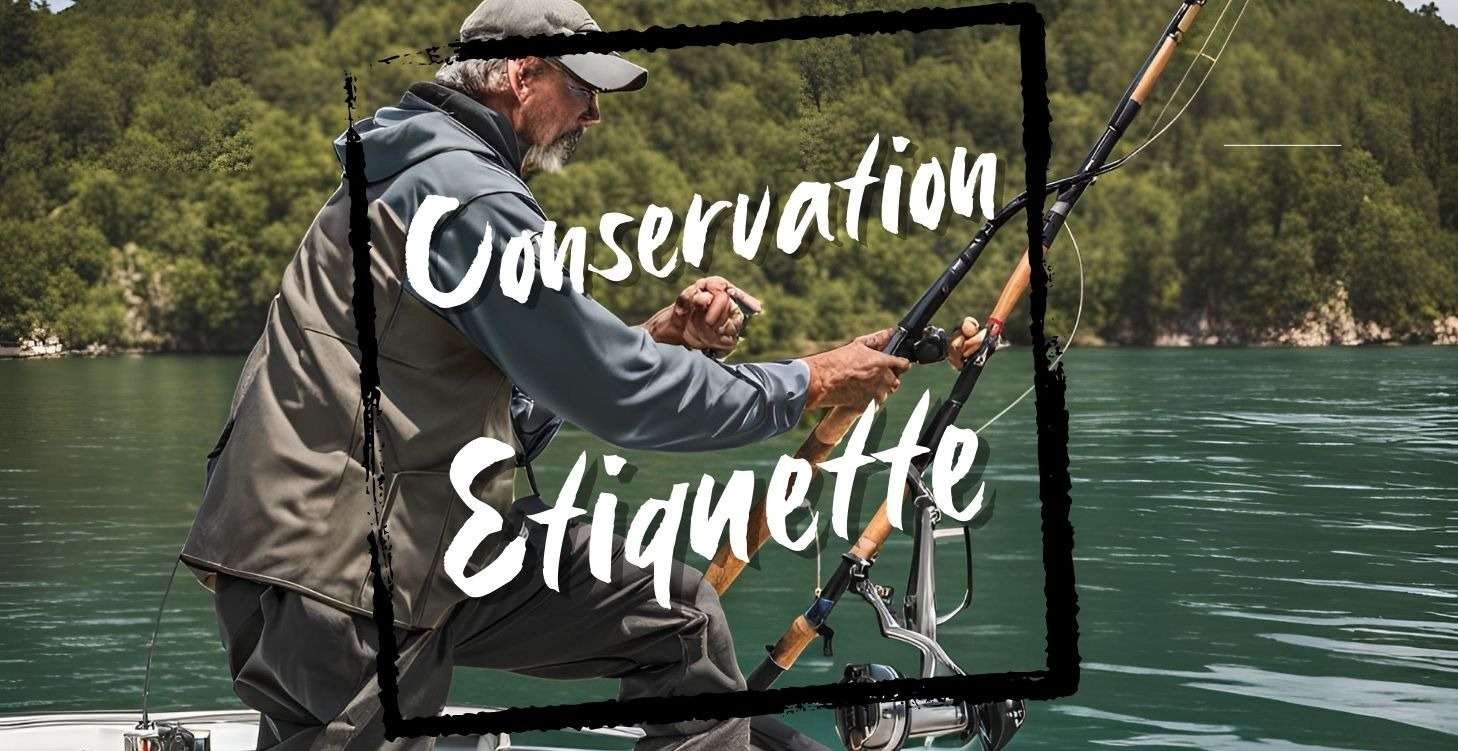
Conservation and Etiquette
Adopt best practices for catch and release, minimize your environmental impact, and respect other anglers and wildlife while fishing.
0%
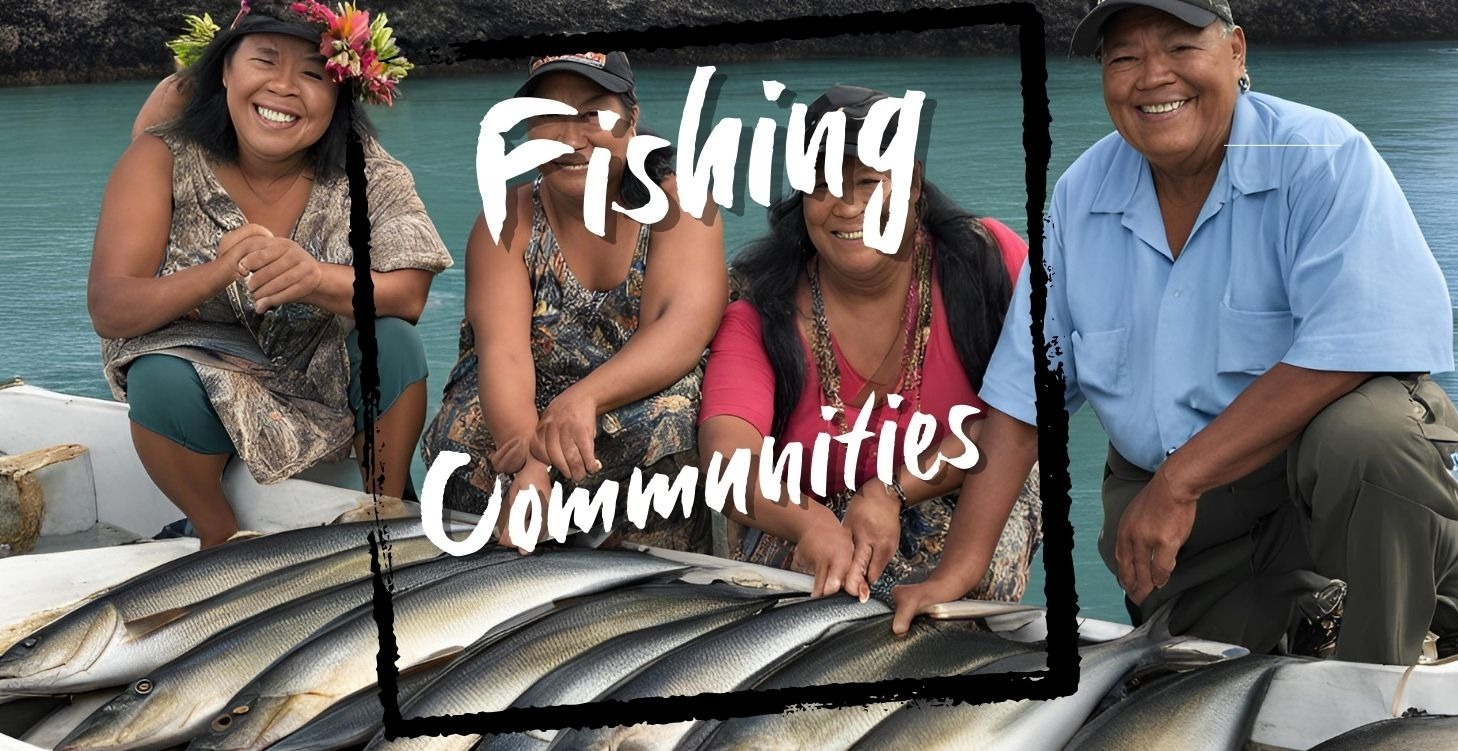
Join a Community and Get Hands-On Experience
Engage with local fly fishing clubs, take guided trips, and attend workshops to gain practical experience and learn from experienced anglers.
0%
1-10 of 10