
Write something
Jun 6 •
How a Loop Audit Works (Step by Step)
How a Loop Audit Works (Step by Step) Many people think better results come from changing settings faster. In reality, most problems come from misinterpreting the data. Before changing anything, I look for patterns. Step 1: Collect the data I usually review: - 3–7 days of CGM data - AAPS/Trio settings - Meal entries - Bolus history - SMB activity - Nighttime trends - Notes about exercise, stress, illness, or unusual events The goal is to separate real patterns from random diabetes noise. Step 2: Identify the actual problem A high after lunch doesn't automatically mean the carb ratio is wrong. A nighttime low doesn't automatically mean basal is too high. Many issues are caused by: - Prebolus timing - Meal composition - Insulin action profile - SMB behavior - Site absorption issues - Counterregulation effects Finding the true cause is often more important than changing settings. Step 3: Build a hypothesis Instead of guessing, I create a working theory based on the data. Examples: - "The prebolus is too short." - "SMBs are arriving too aggressively." - "The insulin model doesn't match the actual insulin." - "Counterregulation is being mistaken for a settings problem." Step 4: Test one variable at a time The fastest way to get lost is changing five things at once. I prefer controlled testing with clean data whenever possible. One change. One observation. One conclusion. Step 5: Review the results After testing, we compare: - Before - After - What improved - What did not improve Then we decide on the next step. What makes this different? I don't promise perfect graphs. Diabetes will always find ways to surprise us. What I do promise is a structured diagnostic process focused on finding causes rather than chasing symptoms. Over the years I've learned that the biggest improvements often come from identifying things that were previously overlooked or incorrectly interpreted. If you're struggling with unexplained highs, lows, overnight instability, SMB behavior, meal responses, or recurring patterns that don't make sense, this process may help uncover what's really happening behind the data.
0
0
Jun 6 •
Looking for 3 beta testers 🚀
I'm building a new side project called Loop Control Automation. The goal is simple: Help Skool creators and small business owners save time with simple automations and ready-to-use systems. I'm currently building my first tool: ✅ Simple Lead Tracker✅ Google Sheets based✅ No coding✅ Setup in under 15 minutes I'm looking for 3 people willing to test it and give honest feedback. Comment "TEST" below if interested.

Jun 5 •
Hey Marek Tomanek, LOOP CONTROL 🚀
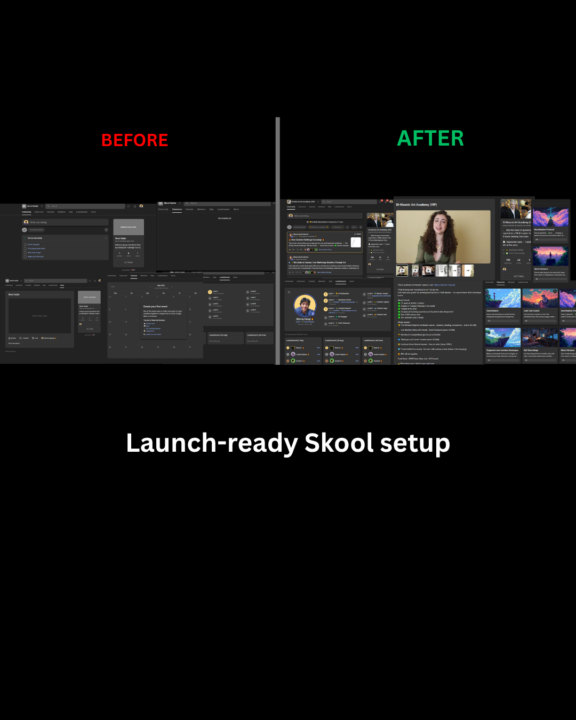
Hey Marek Tomanek 👋 Just checked out LOOP CONTROL. You're still early enough to structure the community properly before growth starts kicking in — which honestly is the best possible timing. We're currently helping new Skool owners turn empty/basic communities into launch-ready ecosystems completely free. Examples + full breakdown here: 👉 Community Launch Before vs after examples below 👇
Jun 2 •
🎯 START HERE — Welcome to Loop Control!
Hey! Glad you're here 👋 This community is for people using AAPS, AndroidAPS, Trio, Nightscout and CGM systems (Dexcom, Libre) who want better glucose control. Here's what to do first: Go to Classroom → start with Module 1 Introduce yourself below 👇 — tell us: what system are you using? Post your questions — I read everything Need 1:1 help with your settings? Book a consultation (60 min, $59): 👉 calendly.com/fabrykatresci88/60min Want full access to all 15 modules + case studies? 👉 skool.com/loop-control-5960 Welcome to the loop! 🔄
0
0
May 29 •
CASE STUDY #3 – When everything goes wrong... and the loop still recovers
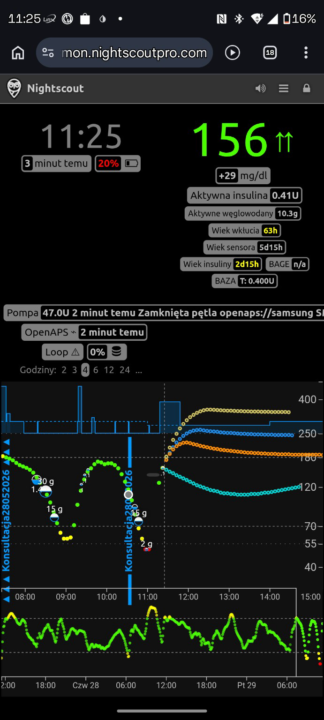
This case involved multiple problems happening at the same time: • Nightscout connection interruption • Incorrect prebolus timing • Temporary loss of visibility for the loop • Additional carbs added during uncertainty At that moment, the family thought the situation was turning into a disaster and glucose would likely climb well above 250 mg/dL. Screenshot #1 Predictions suggested a significant rise and many people expected glucose to go well above 250 mg/dL. Screenshot #2 About 15 minutes later the picture looked completely different. The loop regained visibility, insulin activity became clearer and the expected glucose spike never happened. Instead of climbing far above 250 mg/dL, glucose stabilized and the system started recovering control. Key lesson: Predictions are not outcomes. Many people would have stacked corrections here and made the situation worse. Sometimes the best intervention is allowing the loop to do its job. This is a good example of why isolated screenshots can be misleading. Context, insulin activity, carbs, system visibility and timing all matter. The first prediction looked scary. The actual outcome was very different. What would you have done after seeing Screenshot #1? Discussion: What would you have done after Screenshot #1? Wait and let the loop work? Or add a manual correction? 👇
1-9 of 9
powered by

skool.com/loop-control-5960
AAPS, AndroidAPS & Trio specialist. Book a consultation:
calendly.com/fabrykatresci88/60min
Suggested communities
Powered by