Mastering Emotional Intelligence for Success
The lesson outlines a podcast script focused on emotional intelligence (EI), defining it as the essential ability to identify and regulate personal feelings while empathizing with others. It highlights four core pillars—self-awareness, self-management, social awareness, and relationship management—as vital components that often contribute more to career and life success than traditional IQ.
0%

Cultural Intelligence in a Global World
This lesson provides a comprehensive podcast script centered on the concept of cultural intelligence, commonly referred to as CQ. It breaks down the subject into four distinct pillars—metacognitive, cognitive, motivational, and behavioral—to show how individuals can better handle intercultural interactions. REFER TO COMPLETE VIDEO OF THE LESSON IS FOUND ON THE ABOUT PAGE.
0%
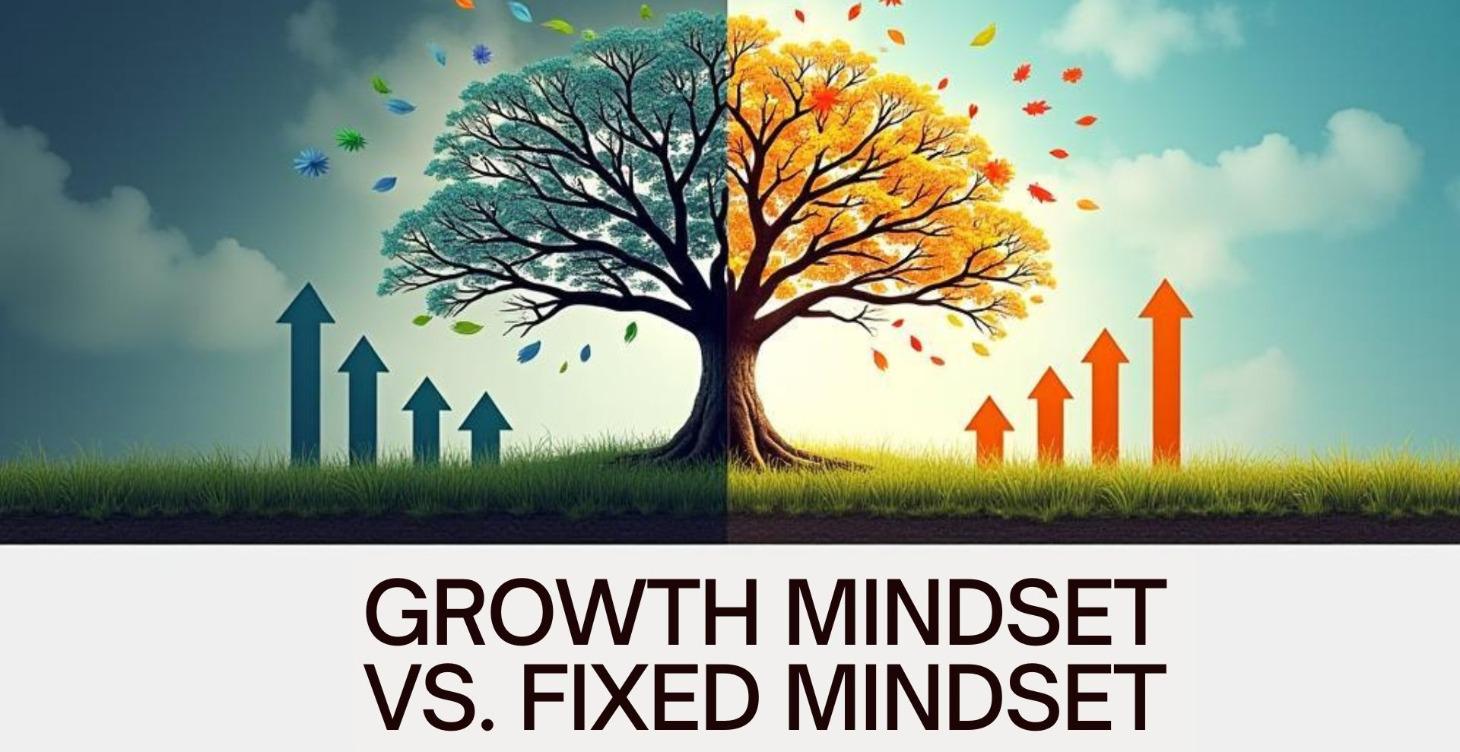
Growth Mindset Vs. Fixed Mindset
The lesson outlines a comprehensive educational podcast script that explores the distinction between growth and fixed mindsets as defined by psychologist Carol Dweck. It emphasizes that a growth mindset views intelligence as a quality that can be expanded through persistent effort and strategic learning, whereas a fixed mindset treats ability as an unchangeable trait.The material offers practical strategies for parents, teachers, and professionals to foster resilience and curiosity.
0%

Learn Anything Faster - Unlock Your Potential!
The lesson explores scientific strategies and psychological mindsets that facilitate efficient knowledge acquisition. It emphasizes that active retrieval, such as self-quizzing and the Feynman Technique, is far superior to passive review for long-term memory retention. The material also highlights the importance of spaced repetition and metacognition, which involve strategically timing study sessions and reflecting on one's own understanding.
0%
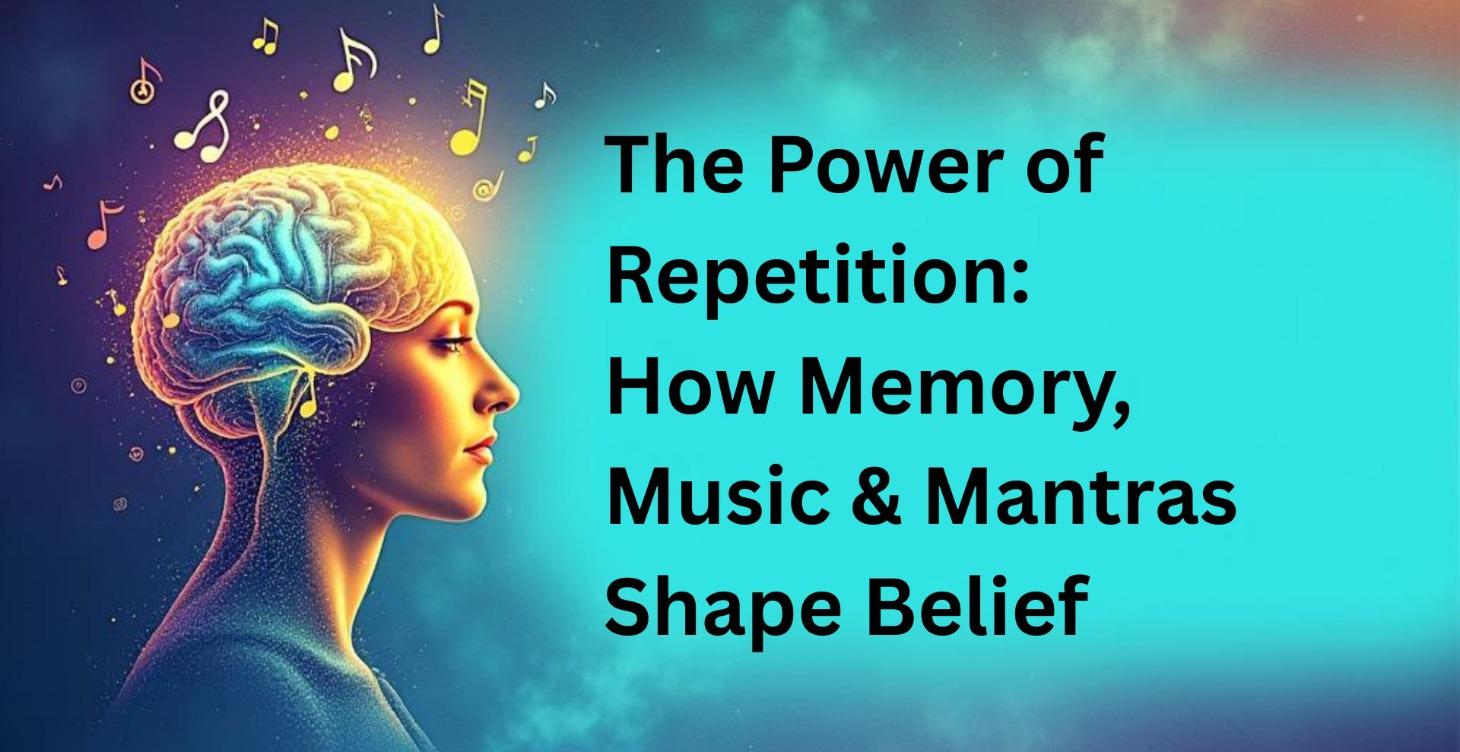
The Power of Repetition: How Memory is Affected
Chat
🧠
The Power of Repetition: How Memory, Music & Mantras Shape Belief
1 source
This text explores how repetitive actions serve as a fundamental mechanism for strengthening human memory and shaping core beliefs. By examining perspectives from educational psychology, neuroscience, and spiritual traditions, the source illustrates that revisiting information creates durable neural pathways and enhances cognitive fluency.
0%
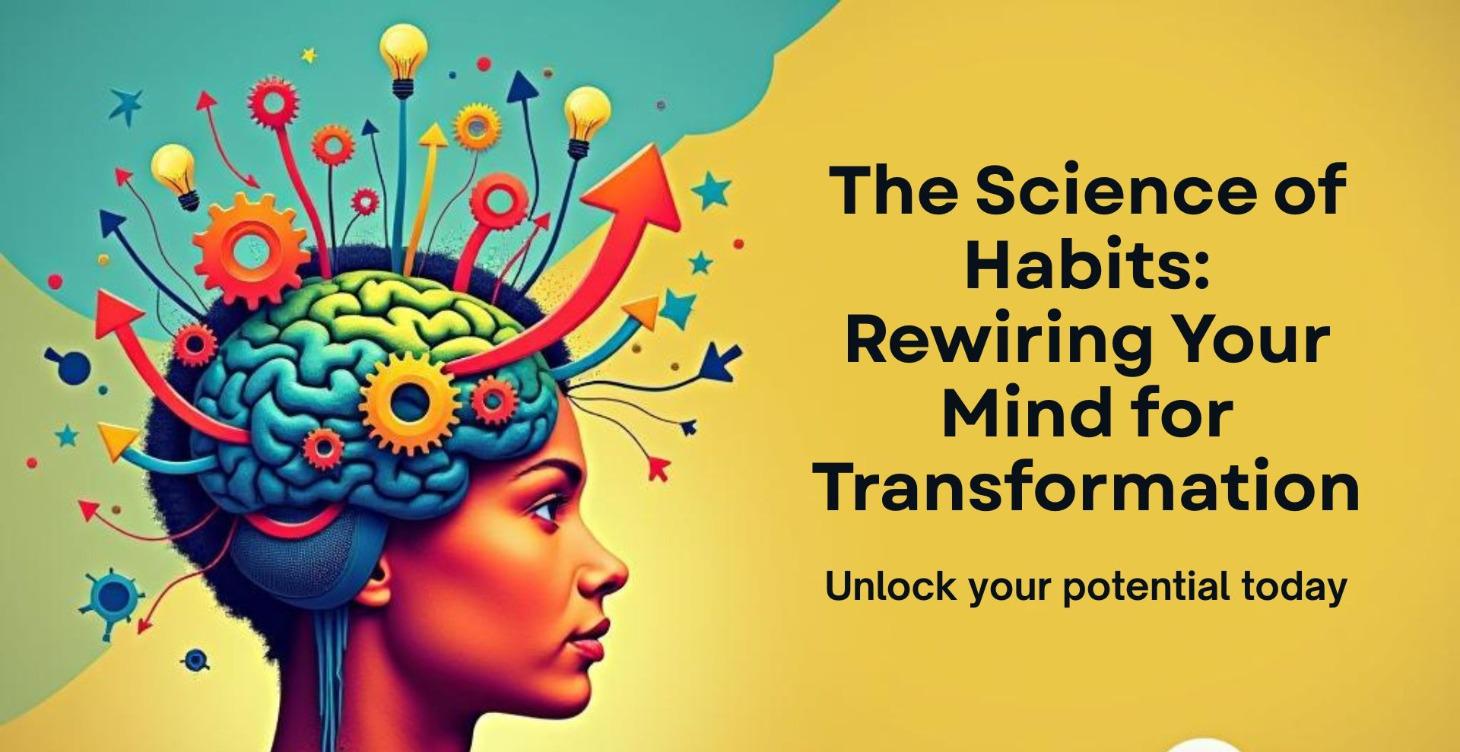
The Science of Habits: Rewiring Your Mind ...
This lesson explores the biological and spiritual foundations of personal change by connecting neuroscience with biblical teachings. It explains that while the brain naturally builds automatic habits through dopamine-driven reinforcement in the basal ganglia, the gift of neuroplasticity allows individuals to consciously restructure these neural pathways.
0%
The Harmony of Science and Faith
The provided text explores the harmonious relationship between scientific inquiry and religious belief, arguing that they are complementary perspectives rather than conflicting forces. While science investigates the mechanisms of the natural world, faith addresses the underlying purpose and meaning of existence.The author highlights historical figures like Newton and Mendel to demonstrate that spiritual conviction has frequently served as a catalyst for discovery.
0%
Overcoming Procrastination: Brain-Based Strategy
This lesson explores the neuroscience behind procrastination, reframing it as a struggle with emotional regulation rather than a lack of discipline. The text explains that the brain often prioritizes short-term relief from uncomfortable feelings like anxiety or boredom over long-term goals. To combat this, the material provides several brain-based strategies, such as the "five-minute start" and "temptation bundling," to lower the barrier to entry for difficult tasks.
0%
The Neuroscience of Gratitude: How Thanksgiving...
This text explores the neurological and psychological benefits of practicing appreciation, specifically how it can physically alter the brain’s structure to enhance emotional well-being. By engaging specific neural circuits, a habit of thankfulness can reduce stress hormones and promote the release of chemicals associated with pleasure and social bonding.
0%
How One Idea Can Change the World
This transcript explores the transformative power of singular concepts and how they evolve from internal sparks into global movements. By examining the anatomy of innovation, the text highlights the journey from initial observation and rejection to eventual widespread adoption and legacy. It references historic breakthroughs in science, economics, and civil rights to demonstrate how pioneering thinkers like Einstein and Rosa Parks challenged established norms.
0%

Can You Really Multitask? How Focus Wins...
This lesson outlines a request for a thirty-minute podcast script titled "Unmasking Multitasking: Focus’s Triumph in Learning." The content aims to explore the negative impacts of divided attention on mental health, education, and spiritual worship. By blending cognitive load theory with biblical principles, the script is designed to provide an academic yet accessible look at how concentration enhances human understanding.
0%

Ethics in the Age of (AI) Technology
This lesson examines the profound moral challenges emerging from rapid technological advancement in the digital era. It highlights how artificial intelligence, mass surveillance, and data harvesting threaten individual privacy and exacerbate social inequalities. By citing various philosophers and experts, the text explores the biases embedded in algorithms and the potential for automation to displace human labor.
0%
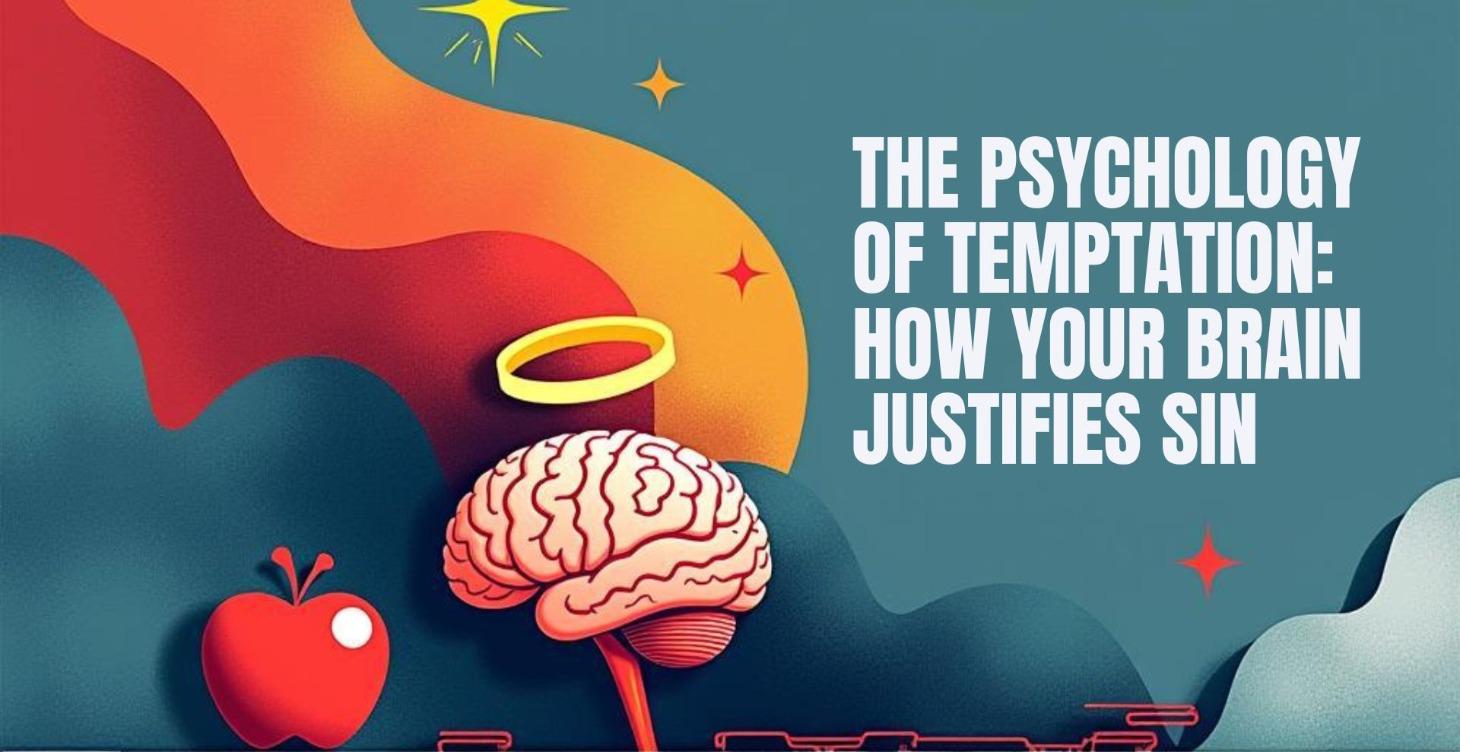
The Psychology of Temptation: Brain Justifies Sin?
This lesson explores the psychological and biblical mechanics of how humans face and justify moral failures. By connecting the Book of James with modern behavioral science, the text illustrates how internal desires evolve into wrong actions through mental rationalizations like cognitive dissonance and moral disengagement. It highlights that active resistance and anticipating difficult scenarios are essential for building a resilient character.
0%
Curiosity: A Holy Calling for Minds and Souls
This lesson explores the concept of holy curiosity, arguing that the drive to ask questions is a divine invitation rather than a threat to faith. Drawing on scriptural insights from Proverbs, the text suggests that God purposefully embeds mysteries within the world to encourage human discovery and worship. The content bridges the gap between science and religion, illustrating how both disciplines rely on wonder to uncover the hidden mechanisms of creation.
0%
Sleep, Sabbath & Spiritual Health: Power of Rest
This lesson explores the vital intersection of neurological science and spiritual practice by examining how intentional downtime revitalizes the human experience. It highlights how proper sleep clears toxins from the brain and enhances creative problem-solving, while the biblical tradition of Sabbath provides a necessary rhythm for psychological and spiritual restoration.
0%

The Fingerprints of God
This transcript presents a theological examination of scientific phenomena, arguing that the precise nature of the universe serves as evidence for a divine Creator. The text highlights several "fine-tuned" physical constants, such as the specific strength of gravity and the ideal chemical composition of Earth’s atmosphere, which allow life to flourish. By exploring concepts like the "Goldilocks Zone" and the complex coding of DNA, the source contends that these are not mere coincidences...
0%
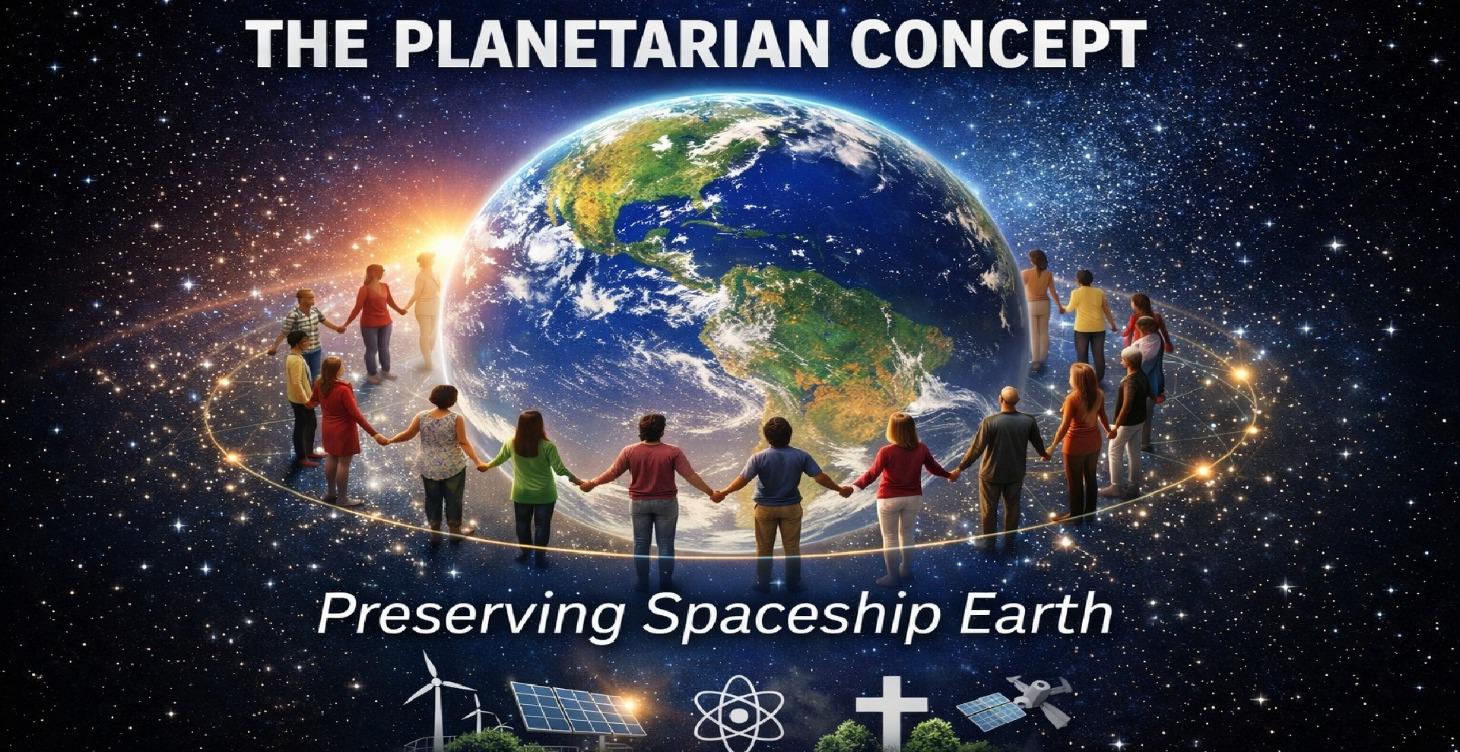
The Planetarian Concept
This lesson explores the interconnectedness of humanity and our shared responsibility to protect the global environment. By utilizing concepts such as Spaceship Earth and the Overview Effect, the texts illustrate a profound shift in perspective that views our world as a single, fragile unit.
0%
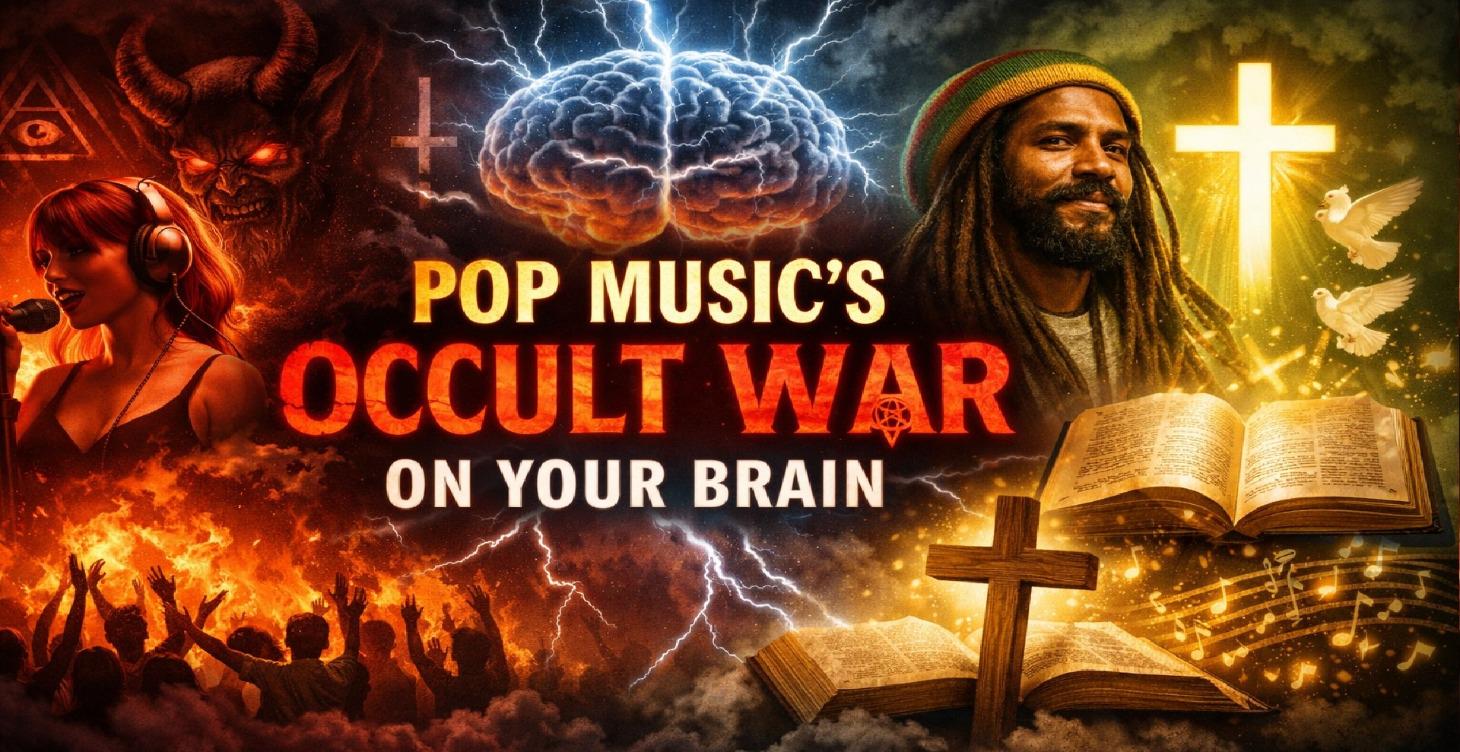
Pop Music’s Occult War on Your Brain
This lesson explores the spiritual and psychological impact of music, suggesting it serves as a powerful tool for both divine worship and demonic influence. The speakers argue that music bypasses the brain’s frontal lobe, the center of reason and morality, making listeners vulnerable to subconscious programming by the entertainment industry.
0%
1-18 of 18