Write something

May 16 •
Welcome!
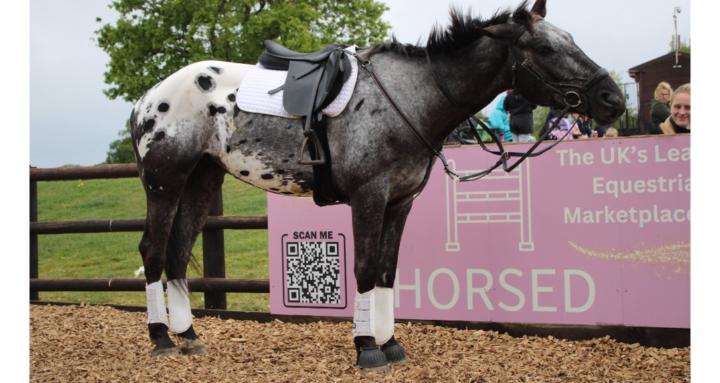
Welcome to the community! Whether you are picking up a camera for the very first time or you’re a seasoned photographer looking to master the unpredictable world of animals, you are in the right place. Shooting with four-legged models is uniquely challenging. They don't take direction like humans, they get distracted easily, and horses in particular have a knack for looking everywhere except where you want them to. But when you get that perfect shot? There is nothing quite like it. To kick things off, here are three foundational rules that will immediately elevate your pet and equine photography. 1. Get Down on Their Level The biggest mistake beginners make is taking photos from a standing human perspective. This creates an " olhando para baixo" (looking down) effect that disconnects the viewer from the animal. • For Dogs & Cats: Get your knees dirty. Lie flat on your stomach if you have to. You want your camera lens to be at the exact same eye level as the pet. • For Horses: Aim for chest height. Shooting a horse from too high makes their legs look short and their heads look massive. Crouching slightly gives them a majestic, powerful stature. 2. Master the "Alert Ear" Trick An animal's ears tell the entire story of the image. Pinny, relaxed, or backwards ears can make a horse or dog look sad, angry, or bored. We always want those ears crisp and pointing forward. • The Golden Rule: Never use your best trick first. Animals desensitize quickly. • The Progression: Start with soft crinkling paper, move to a subtle whistle, then use a squeaker app on your phone, and save the high-value treats or a hidden helper waving a flag for the very end of the session. 3. Watch Your Shutter Speed Animals move fast—even when they are just sitting still, their heads twitch and tails wag. • Portraits: Keep your shutter speed at a minimum of 1/250s for a sitting animal to avoid motion blur from breathing or minor movements. • Action (Dogs running/Horses trotting): Push that shutter speed up to 1/1000s or higher to freeze the action and get those tack-sharp flying dirt pieces or splashing water droplets.
0
0
1-1 of 1