
Write something
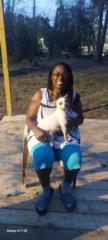
Jul 5 •
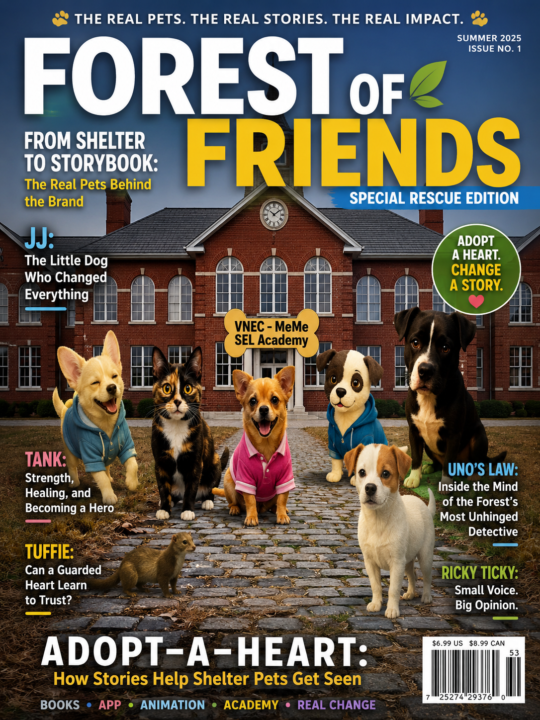
Forest of Friends magazine
This is a sample magazine cover with all the real forest of friends. Do you think we should make a reality. If so how frequent would you like to see a copy and would you subscribe?

Mar 29 •
Welcome to JJ & Friends Learning Hub🐾
This is a space for parents, caregivers, and educators who want to help children better understand emotions through story. Everything here starts with one simple question: What do you see? Instead of rushing to answers, we slow down…We observe…We notice what’s happening before we name it. This space is built from real rescue pet stories, including JJ — the one who started it all. You don’t need special training to be here.Just curiosity. To get started: Try this tonight: Before reading a story, ask your child:👉 “What do you see?” Don’t correct them. Just listen. Glad you’re here. — Serena BrownMeMe, JJ & Friends 🐾 memejjandfriends.com/meme-sel-academy

Jul 2 •
Pit Bull Friendship Teaches Lessons That Observations Cannot Ignore
In this video, we divide deeper into Tank relationship with his new friends. Watch the video and tell me what you observe.
0
0
1-20 of 20
powered by

skool.com/jj-friends-learning-hub-6903
VNEC lessons, case files, and tools to build emotional awareness and comprehension. Early members help shape this method in real time.
Suggested communities
Powered by