
Mar 24 • General discussion
🎸 The World of Jam Bands: Where Music Lives in the Moment
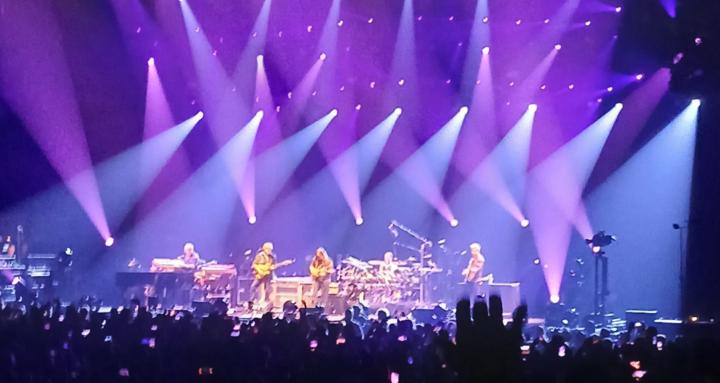
There’s something different about a jam band. It’s not just about the songs—it’s about the experience, the unpredictability, and the feeling that anything can happen at any time. Unlike traditional artists who perform the same setlist night after night, jam bands thrive on improvisation, turning each live show into a one-of-a-kind journey.
At the heart of the jam band scene is a deep-rooted connection to live performance. Songs are rarely played the same way twice. A track that might be five minutes on a studio album can stretch into a 20-minute exploration on stage, weaving through solos, transitions, and unexpected musical turns. This spontaneous creativity is what keeps fans coming back—not just to hear their favorite songs, but to discover what those songs might become.
The origins of jam bands can be traced back to the 1960s, when bands began experimenting with extended improvisation during live shows. One of the most influential pioneers of this movement was the Grateful Dead, whose concerts became immersive experiences blending rock, folk, blues, and psychedelia. Their approach to music created not just a fanbase, but a community—a traveling culture of devoted followers who valued the journey as much as the destination.
In the 1990s, bands like Phish carried that torch forward, expanding the genre and introducing new audiences to the jam band ethos. They combined humor, technical skill, and genre-blending performances to create shows that felt both playful and deeply musical. As the scene evolved, other bands brought in influences from funk, jazz, bluegrass, and even electronic music, pushing the boundaries of what a jam band could be.
But what truly defines the jam band world isn’t just the music—it’s the culture surrounding it. Fans often follow tours, attend festivals, and share recordings of live performances. There’s a strong sense of participation, where the audience isn’t just watching the show—they’re part of it. Every cheer, every dance, every shared moment adds to the collective energy of the experience.
Festivals have become a major part of this culture, bringing together fans from all over to celebrate music, community, and freedom. These gatherings are more than concerts; they’re immersive environments where creativity and connection take center stage.
In a world where so much is predictable and repeatable, jam bands offer something rare: authentic, in-the-moment creation. No two shows are the same, and that’s exactly the point. It’s not just about listening—it’s about being there, feeling it, and becoming part of something that only exists once.
And that’s the magic of jam bands.
1
0 comments
🎸 The World of Jam Bands: Where Music Lives in the Moment
skool.com/jamband
Unlock EXCLUSIVE jam band secrets. Discover PROVEN deep cuts, ELITE fans, and UNLIMITED vibes. Transform how you experience live music.
Powered by