Activity
Mon
Wed
Fri
Sun
Jun
Jul
Aug
Sep
Oct
Nov
Dec
Jan
Feb
Mar
Apr
May
What is this?
Less
More
Owned by James
Unlock EXCLUSIVE jam band secrets. Discover PROVEN deep cuts, ELITE fans, and UNLIMITED vibes. Transform how you experience live music.
Memberships
Free Skool Course
67.6k members • Free
Community Launch
12.4k members • Free
ECOM MRR (1000 Recurring Mbrs)
104 members • $197/month
19 contributions to The Jam Tribe

Apr 1 •
Billy Strings 5-31-2025 Van Andel Arena
https://www.youtube.com/watch?v=_aYVLLo-0_A&list=RD_aYVLLo-0_A&start_radio=1&t=13s&pp=oAcB
0 likes • Apr 3
@Tony Thompson That Dylan cover was so good !! You got me on the floor for that one right? Pretty sure that's the one. lol. Pretty sure i had the space cadet glow going on that night !
Apr 2 •
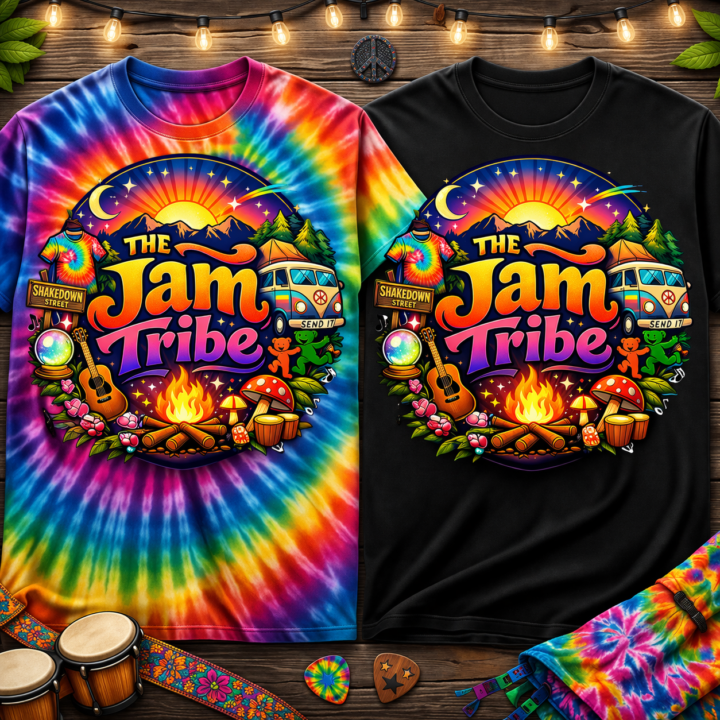
The Jam Tribes first original T-shirt!!!
Tell me what you think...your opinions will shape how this community is built!
3
0
Apr 2 •
Greensky Bluegrass Summer Tour 2026
https://www.youtube.com/shorts/XjSowHzxLJc?feature=share
0
0
1-10 of 19
@james-wils-7682
After 30 years of concrete work, trying to get away from back breaking work and transition into e commerce.
Active 17d ago
Joined Mar 13, 2026
Powered by