
Write something
Pinned
Nov '25 •
🌿 Welcome, Beautiful Women — You’re in the Right Place!
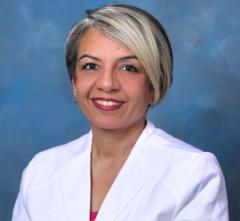
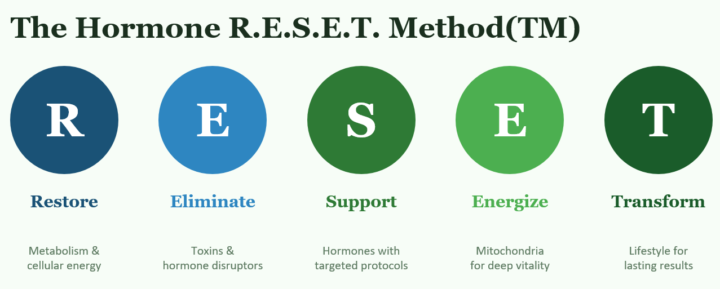
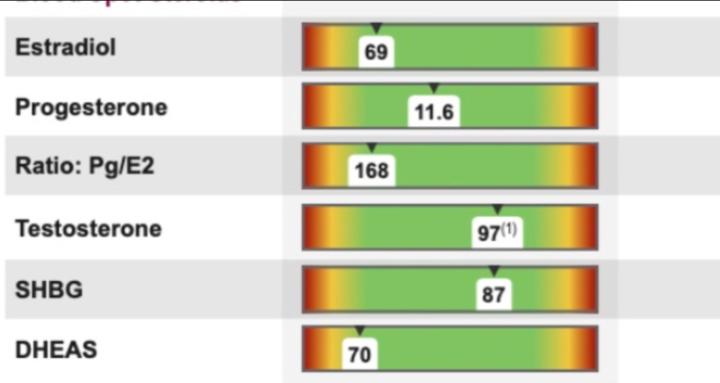
If you made it here, it means something inside you is saying: “I’m tired of guessing. I’m ready to understand what my body needs.” You’re not alone — and you’re not “just stressed,” “overreacting,” or “getting older.” This community was built so women can finally understand their fatigue, hot flashes, insomnia, weight changes, mood shifts, and anxiety… without being dismissed or told everything is ‘normal.’ 💬 What to Do First 1. Introduce yourself below — What brought you here? 2. Share your top 2–3 symptoms (fatigue? anxiety? sleep struggles?) 3. Download your Symptom Tracker → coming shortly inside “Resources” 4. Look out for the Welcome Email (with challenge times & links!) 🧭 What’s Coming Next Over the next few days, we’ll begin the3-Day Hormone R.E.S.E.T. Challenge™, where you’ll learn: ✔ Why you feel exhausted but still can’t sleep at night ✔ How stress and cortisol affect weight, mood, and energy ✔ The REAL patterns of perimenopause and menopause ✔ How to finally see YOUR hormone map — not guess it 🤍 A Final Note You don’t need to have it all figured out. You don’t need to explain your symptoms perfectly. You don’t need to pretend you’re okay. You just need to show up — and you already did that. ✨ This is where clarity begins.I’m honored to walk this journey with you. With love and respect, Megan Hormazdi, FNP-BC
0
0
1d •
Skin changing in midlife? Nourish it.
Skin feeling different in perimenopause or menopause? You do not need a list of miracle beauty foods. Start with the basics: colorful plants, enough protein, unsaturated fats and regular hydration. Vitamin C helps your body make collagen, but no single food can promise a glow or reverse menopausal skin changes. Food is only part of the picture. Keep using moisturizer and broad-spectrum SPF 30 or higher. If dryness persists or your skin changes concern you, talk with your clinician or dermatologist. Rise into Her is a one-day retreat for women in perimenopause and menopause. Saturday, November 14, Long Beach, limited to 12 women. DM me RETREAT and spend one day for you. For education and connection, not diagnosis or medical treatment. Sources: NIH Office of Dietary Supplements, Vitamin C; MedlinePlus, Protein in diet; American Heart Association, 4 Ways to Get Good Fats; CDC, Water and Healthier Drinks; American Academy of Dermatology, Caring for your skin in menopause. #perimenopause #menopause #skinhealth #womenshealth #retreat
0
0

2d •
Tired in perimenopause? Could low iron be part of it?
Tired in perimenopause? Your hormones may not be the whole story. Iron-deficiency anemia can leave you tired, weak and low on energy. Heavy menstrual bleeding can raise your risk. But symptoms alone cannot tell you whether your iron is low, and fatigue has many possible causes. Bring changes in your periods and energy to your clinician. Ask what testing makes sense before starting an iron supplement. More iron is not always better. Rise into Her is a one-day retreat for women in perimenopause and menopause. Sat Nov 14, Long Beach, limited to 12 women. DM me RETREAT and spend one day for you. For education and connection, not diagnosis or medical treatment. Source: NIH Office of Dietary Supplements, Iron Consumer Fact Sheet. #perimenopause #menopause #womenshealth #retreat
0
0

3d •
Breakfasts That Keep You Full Longer
Breakfast is where a lot of us lose the morning. Here are 5 simple breakfasts built around protein, fiber and healthy fats, so you can start the day steady. Swipe for the recipes: apple cinnamon oats, lentils with egg, spinach mushroom omelet, yogurt cucumber walnut bowl and cheese walnut egg toast. Save this one for your next grocery run, and tell me which you will try first. Rise into Her is a one-day retreat for women in perimenopause and menopause. Sat Nov 14, Long Beach, limited to 12 women. DM me RETREAT and spend one day for you. For education and connection, not diagnosis or medical treatment. #perimenopause #menopause #womenshealth #retreat
0
0

5d •
Why does your body seem to age faster after 45?
You are not imagining it. Hormone shifts can touch skin, hair, muscle, fat and sleep. Swipe for what is going on and what helps: strength training, good sleep, balanced meals and stress care. It is not just getting older. It is a hormonal shift, and much of it is manageable. Rise into Her is a one-day retreat for women in perimenopause and menopause, Saturday, November 14 in Long Beach. DM me RETREAT to learn more. For education and connection, not diagnosis or medical treatment.
0
0

1-30 of 31
powered by
skool.com/integrative-oncology-academy-4618
A supportive community where we decode fatigue, hot flashes, insomnia, and hormone chaos, so you can feel like yourself again.
Suggested communities
Powered by