
Write something
2d •
Reading Tip: Teach sounds before letter names
Quick tip that makes a BIG difference in early reading success 👇 When we learn the alphabet, most of us grew up singing "A, B, C" with letter names. But when your child starts blending words like c-a-t, letter names don't actually help — sounds do. Here's why this matters: ❌ If your child says "cee - ay - tee," blending won't work ✅ If your child says "/c/ - /a/ - /t/," they can blend it into "cat" 🎉 What to do instead: Focus on the sound each letter makes first (its phoneme), not its name. So instead of "that letter is B," try "that letter says /b/, like in ball." This is actually the foundation of phonics-based programs like Jolly Phonics — sounds first, names later. Kids pick up letter names naturally over time anyway (through the alphabet song, books, etc.), but sounds are the real key that unlocks blending and reading. Try this today: Pick 3 letters your child knows and ask, "What sound does this make?" instead of "What letter is this?" See how it goes! 💬 Drop a comment: what sounds is your little one working on this week?
0
0
15d •
Your Child Knows the Alphabet Song, But Why Can’t They Read Yet?
Many children can confidently sing: 🎵 A, B, C, D, E, F, G… But when they see the letter B and ask, “What sound does it make?” they may feel unsure. Why? Because singing the alphabet and learning to read are two different skills. The alphabet song teaches children the order of letters, but reading requires children to understand the following: ✅ Letters have sounds ✅ Sounds can be blended together ✅ Words are made of smaller sounds Reading begins when children connect: Letter → Sound → Word For example: 🔤 m = /m/ 🔤 a = /a/ 🔤 p = /p/ Blend the sounds slowly: /m/ /a/ /p/ → map 🗺️ Phonics Tip for Parents: Instead of asking:❌ “What letter is this?” Try asking: ✅ “What sound does this letter make?” Spend just 5–10 minutes each day practicing sounds. Keep it playful: 👂 Listen for sounds 🗣️ Say the sounds together 🧩 Blend simple words Small daily practice creates strong reading foundations. Mama, tell us: 💬 What is your child currently learning? 1️⃣ Letter recognition 2️⃣ Letter sounds 3️⃣Blending words 4️⃣ Reading simple sentences Let's support each other on this homeschool journey. This is how I practice phonics with my 4-year-old kid.
0
0

18d •
A Gift for Homeschool Parents: Reading for Ages 3–6
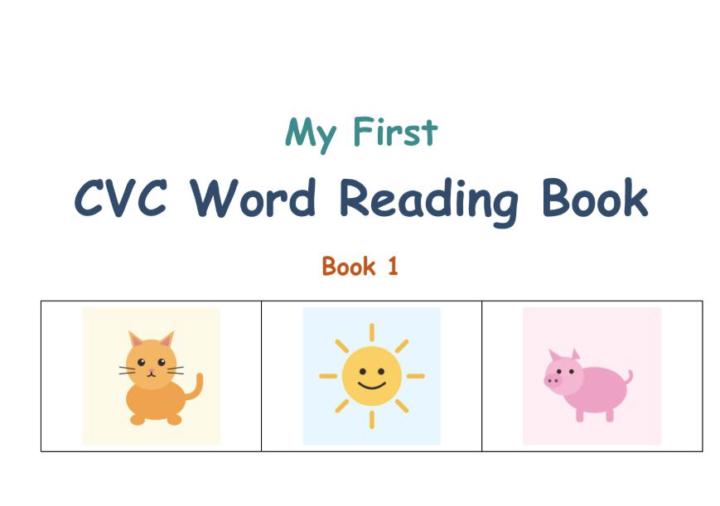
Dear homeschool parents, We know that teaching your little ones at home is filled with beautiful moments — from the first time they recognize a letter to the excitement of reading their first word. Every small step is a precious part of their learning journey. ❤️ To support you, I’ve created a FREE Early Reading Printable Pack for children ages 3–6 that you can use during your homeschool time. Inside, your child can practice: 🔤 Letter recognition 🔊 Beginning sounds and phonics ✏️ Tracing and writing skills 📖 Simple early reading activities 🌱 Building confidence with words Whether you are starting your homeschool journey or looking for extra learning resources, these activities are designed to make reading practice simple, fun, and meaningful. Thank you for pouring your time, patience, and love into your children’s education. 💛 🎁 Enjoy this free printable and keep creating joyful learning moments at home! With love, Download
0
0
1-3 of 3
powered by
skool.com/homeschool-mama-hub-7263
Teaching your children at home is one of the most powerful things a mama can do.
Suggested communities
Powered by